 Can Too Much Blow-In Insulation Block Attic Vents?
Adding insulation can help keep your home comfortable during Florida’s long, hot summers. However, covering the attic floor with more material isn’t enough to guarantee good results. If insulation is installed without accounting for existing vents, it can interfere with the airflow your attic needs. For homeowners in Hollywood, FL, this is an important consideration. High outdoor humidity and summer heat make proper attic moisture management essential. When insulation covers ventilation openings, the attic may struggle to manage heat and moisture under certain conditions. The solution isn’t necessarily to add more vents, but to make sure insulation and ventilation work together as intended.
 Can insulation block attic vents?
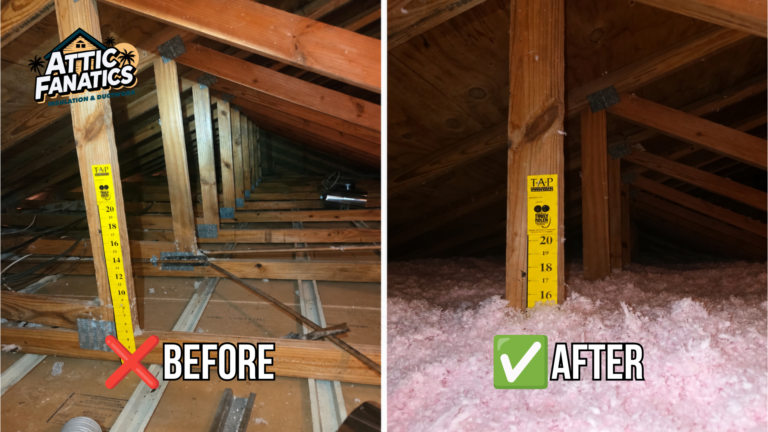
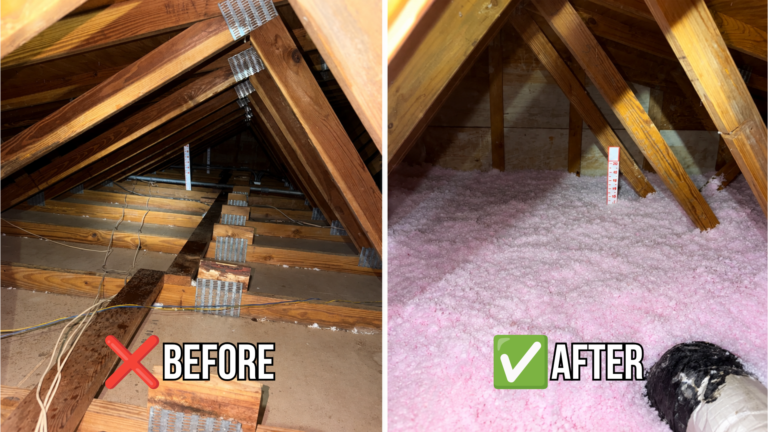
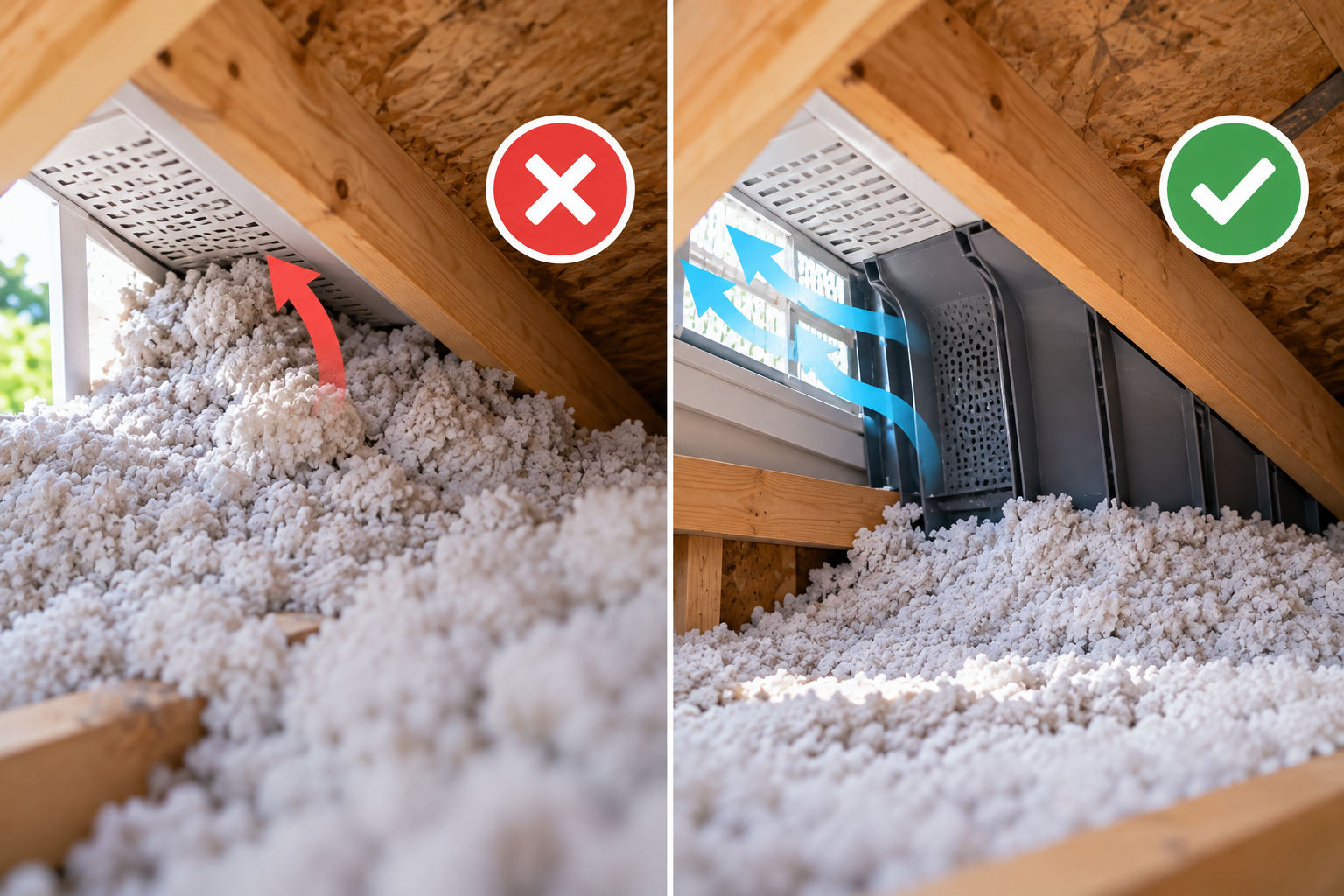
Yes. Blow-in insulation can cover ventilation openings when installers fail to protect them during installation. This is particularly common around soffit vents, which are typically located beneath the roof overhang and allow outside air to enter the attic. Because loose-fill material spreads across the attic floor, it can accumulate near these openings and restrict incoming airflow. Without proper protection, the insulation may obstruct the very channels that ventilation depends on. Ventilation baffles help prevent this problem by maintaining a clear path between soffit openings and the attic space. They also help keep insulation in its intended area rather than allowing it to spill into the ventilation channel.
 How blown-in insulation and attic ventilation work together
Insulation and ventilation serve different purposes. Insulation slows heat transfer between the attic and your living space, while ventilation helps manage heat and moisture within an appropriately designed attic. A well-planned system accounts for both rather than treating them as interchangeable solutions. The appropriate arrangement depends on the roof structure, existing openings, and whether the attic is designed as a vented or unvented space.
Several components may influence how air moves through a vented attic:
- Soffit vents: Allow outside air to enter near the lower edge of the roof.
- Ridge vents: Provide an outlet near the roof peak in compatible ventilation designs.
- Gable vents: Create openings through the gable ends of the house.
- Roof vents: Provide additional ventilation openings through the roof.
- Ventilation baffles: Maintain clear channels where insulation might otherwise obstruct airflow.
Not every attic uses all these components. Their placement and combination should suit the building’s design rather than follow a one-size-fits-all approach.
 What happens when insulation covers soffit vents?
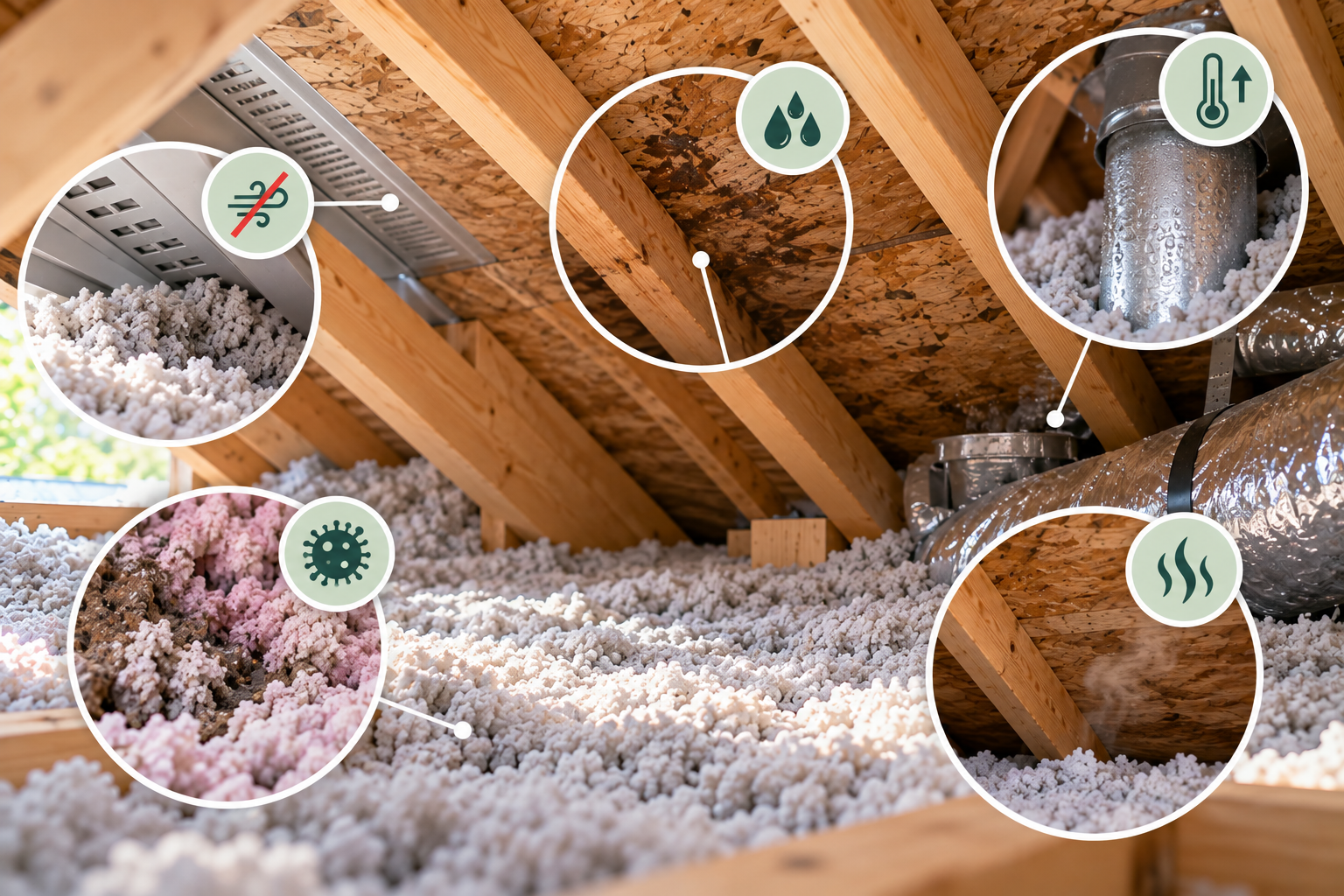
Soffit vents often sit close to the attic floor, making them vulnerable to loose-fill insulation during installation. If the openings become obstructed, less outside air may enter through the intended pathway. Restricted airflow can affect how heat and moisture move through the attic. Under certain conditions, this may contribute to condensation, elevated attic humidity, or moisture-related damage. The severity depends on several factors, including indoor air leakage, outdoor humidity, roof design, and the attic’s overall ventilation strategy. In Florida, where humid weather is common, overlooking these details can create problems that aren’t immediately visible from inside the house. Insulation may appear evenly distributed while important ventilation channels remain blocked underneath or beside it.
 Signs your attic ventilation may be restricted
Blocked vents aren’t always visible from inside your home, but certain signs may indicate a problem. You might notice damp or discolored materials near accessible areas, persistent musty odors, condensation around roof components, or insulation piled against soffit openings. During an inspection, a professional can also identify ventilation channels that have become obstructed. These signs don’t necessarily mean insulation is the cause, as other attic conditions can produce similar symptoms. Avoid climbing onto the roof or walking across an insulated attic floor to investigate, since hidden hazards may be present. A qualified professional can inspect the area safely and determine whether the ventilation system needs attention.
 How baffles protect ventilation during insulation installation
Ventilation baffles help maintain a clear path for air entering through the soffit openings. They’re especially important near the roof’s lower edges, where loose insulation can spill into ventilation channels and restrict airflow. Before installation, the attic’s layout should be assessed to identify areas where baffles are needed. This allows insulation to be distributed without obstructing the intended airflow pathways. Adding more vents isn’t always the answer. The right approach depends on the roof’s design and existing ventilation system. Maintaining clear airflow channels and installing insulation appropriately helps support better attic performance without creating unnecessary ventilation imbalances.