What Happens When Blow-In Insulation Covers Attic Ducts?
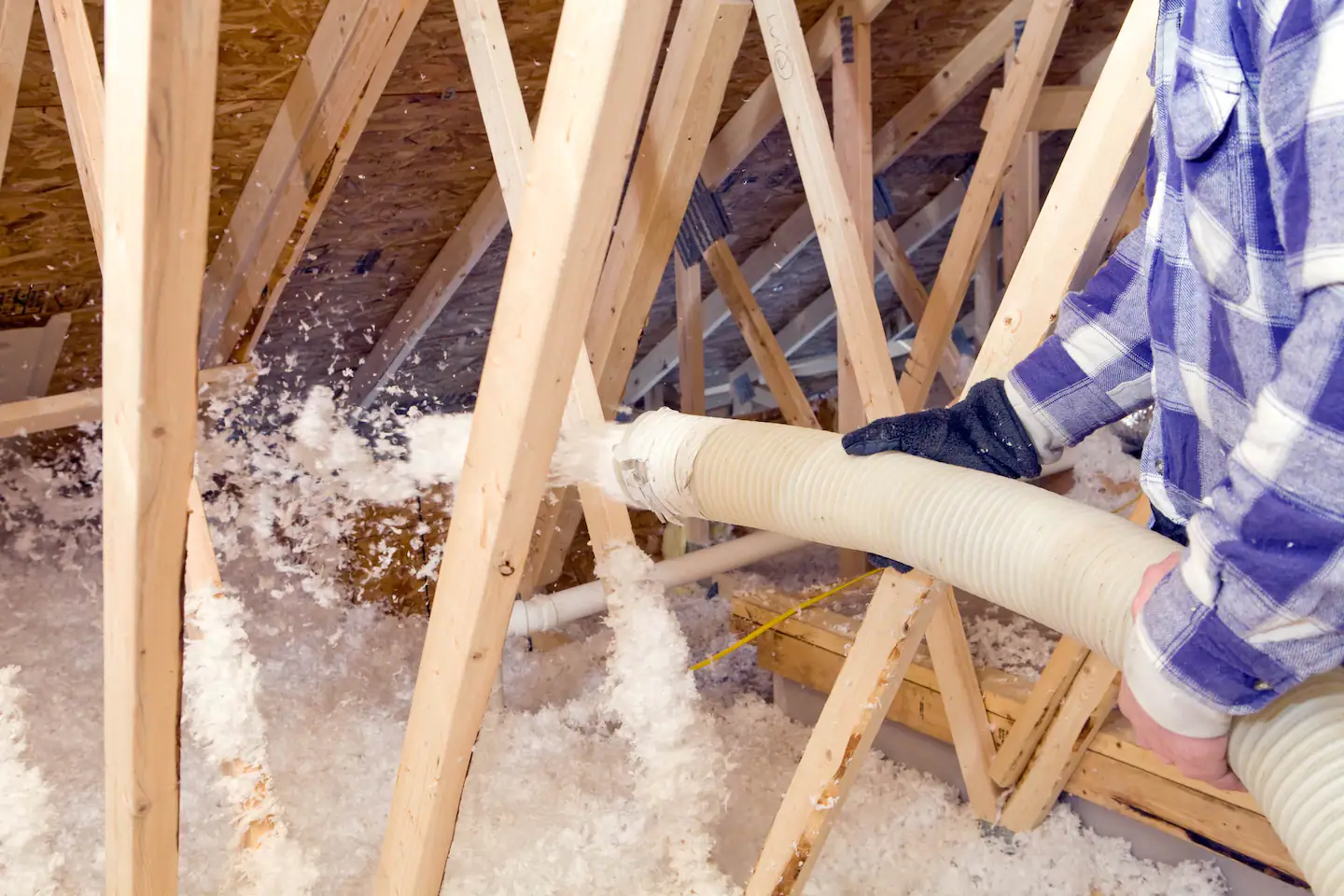
Adding blow-in insulation to an attic with existing ductwork takes more planning than simply spreading material across the floor. The insulation needs to cover the intended areas without damaging ducts, blocking important access points, or interfering with the air conditioning system. For homeowners, checking the condition of the ductwork before installation can help prevent problems that become harder to address once the insulation is in place.
 Can Blow-In Insulation Cover Attic Ductwork?
Yes, insulation can generally be installed around HVAC ducts when the work follows product instructions and building requirements. However, covering the ducts does not fix existing problems. Loose connections, damaged outer coverings, or air leaks need to be addressed separately. Before adding blown-in insulation, the installer should check the system’s condition and identify areas that need to remain accessible. This helps improve the attic’s thermal protection without overlooking the equipment that delivers cooled air throughout the home.
 Attic Insulation vs. Duct Insulation
These two types of insulation serve different purposes. Attic insulation is installed across the attic floor to slow heat transfer between the attic and the living space below. It helps limit the amount of heat entering conditioned rooms through the ceiling. Duct insulation surrounds HVAC ducts to reduce heat transfer between the air inside the ducts and the surrounding environment. This is particularly relevant when ducts run through a hot attic, where surrounding temperatures can affect the air moving through them.
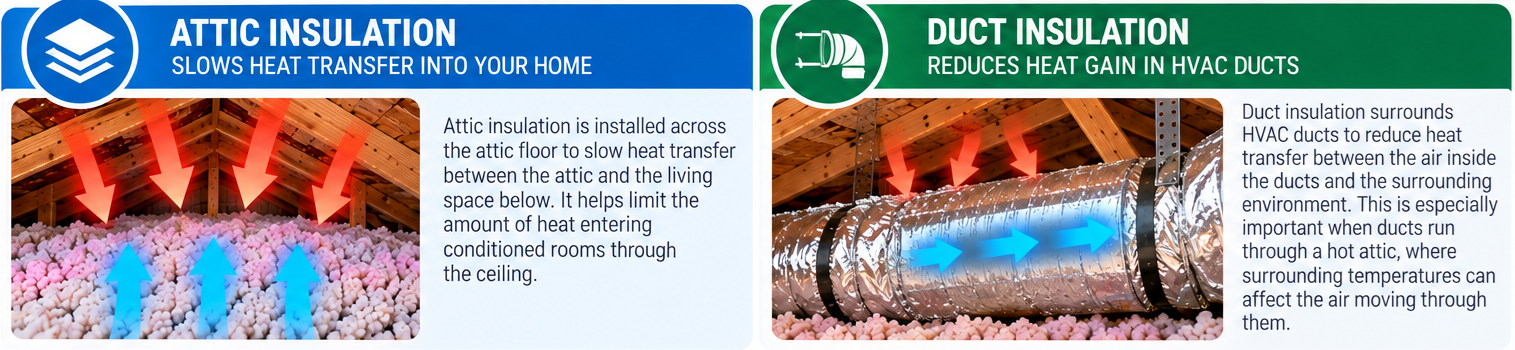
In Florida’s hot climate, both can matter. Even if your attic floor has adequate insulation, poorly insulated ducts may gain heat as cooled air travels toward the rooms. On the other hand, well-insulated ducts cannot compensate for inadequate insulation across the attic floor. The two systems should be assessed separately so that each receives the attention it needs.
 What About Flexible Ducts?
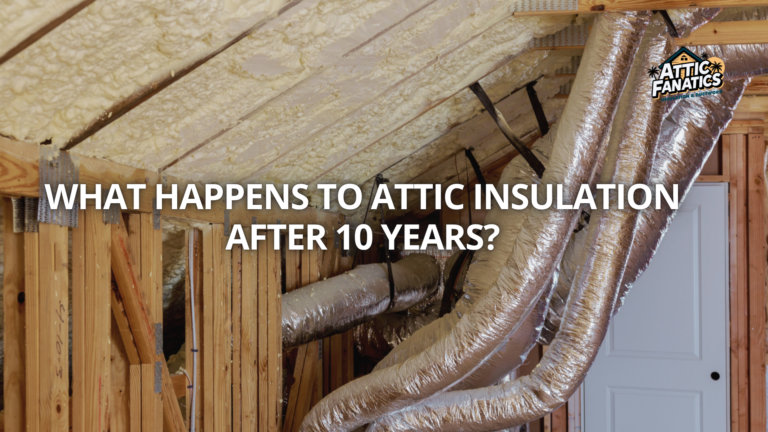
Flexible ducts are common in residential HVAC systems. They typically consist of an inner air-carrying liner, insulation, and an outer vapor-retarding jacket. Their condition matters when adding insulation around attic ducts. Flexible ducts can be damaged by rough handling, excessive pulling, compression, or poorly supported sections. Kinks and sharp bends may also restrict airflow. During insulation installation, workers should avoid stepping on ducts, crushing them under equipment, or disturbing their supports.
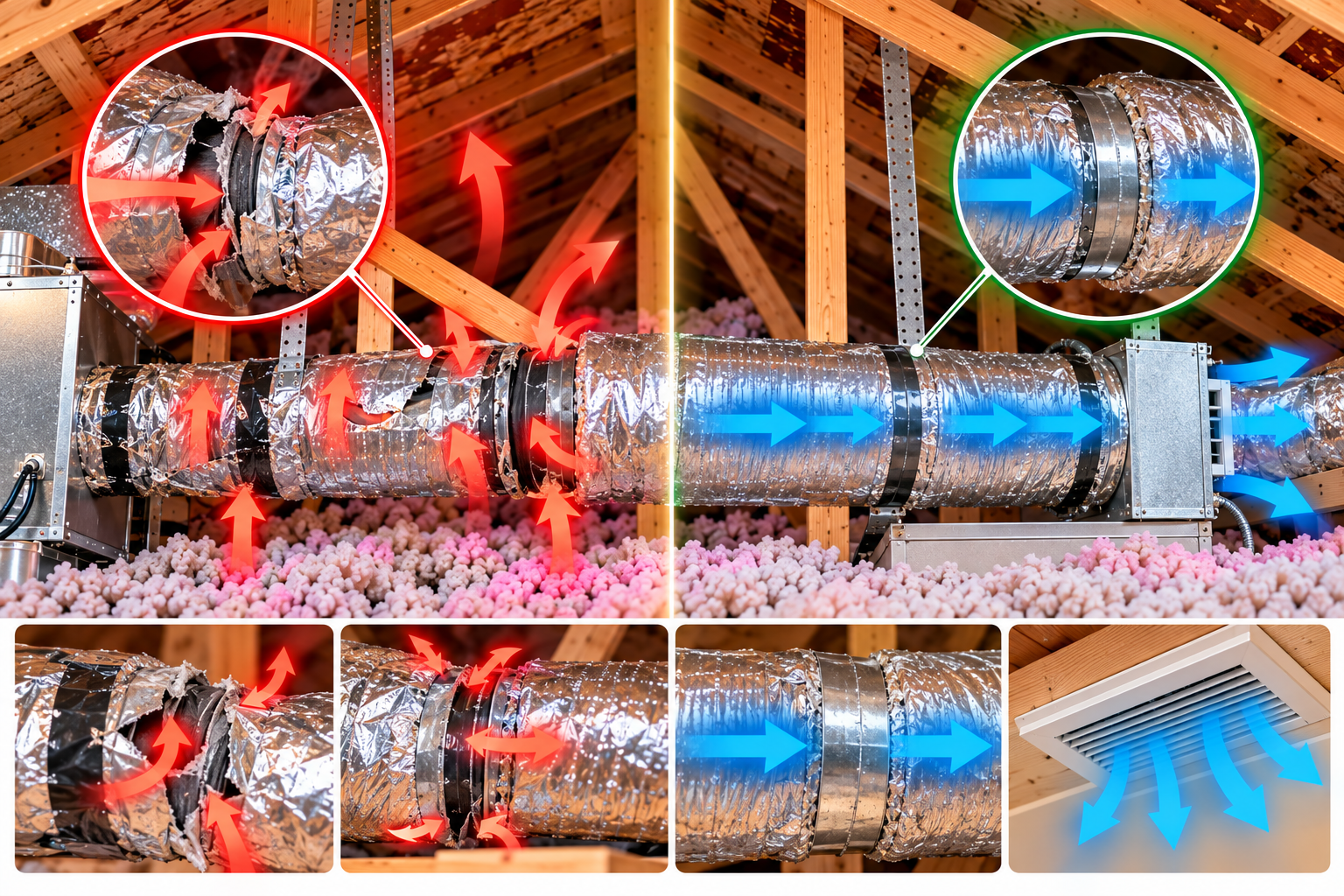
The existing duct insulation should also be checked for tears, gaps, and damaged outer coverings. If repairs are needed, they should be completed using suitable materials and methods before the surrounding area becomes harder to reach. Simply covering a damaged flexible duct with blow-in insulation will not restore its proper shape or repair a compromised jacket.
 Duct Leakage and HVAC Efficiency
Duct leakage is another reason to inspect the system before adding insulation. If air escapes through loose joints or damaged sections, some of the conditioned air may never reach the rooms where it is needed. In a hot attic, leaking ducts can also allow surrounding air to enter the system, depending on the location and pressure conditions. This may affect comfort and HVAC efficiency, although the impact varies with the extent of the leakage and the system design. Air sealing can help address unintended airflow through appropriate gaps in the building envelope, but duct joints require suitable duct-sealing methods. Sealing the attic floor and sealing the duct system are separate tasks. Before installing new attic insulation, have accessible duct connections and damaged sections checked. Fixing known problems first is generally easier than trying to locate them beneath a thick layer of loose-fill material later.
 Why Duct Access Matters After Insulation Installation
Once blow-in insulation covers the attic floor, finding and reaching duct connections, junctions, or equipment can become more difficult. This does not mean every duct must remain exposed, but important service areas should be identified before work begins. HVAC equipment, electrical components, junction boxes, and other service points may have specific clearance or access requirements. Insulation should not obstruct required access or cover components in ways that conflict with manufacturer instructions or applicable codes. An installer should also consider where technicians may need to work in the future. Keeping the route to service areas clear and documenting the location of important components can make later inspections and repairs easier. These details are particularly useful when a home has extensive attic ductwork or equipment positioned away from the attic entrance.
 What to Check Before Adding Insulation Around Ducts
Before duct installation, look at the overall condition of the attic and its HVAC system. Check for loose connections, visible duct damage, compressed flexible ducts, deteriorated duct insulation, and areas that may need servicing. Any suspected leakage should be evaluated rather than hidden beneath new material. The installer should then plan the insulation coverage around the existing system. Blow-in insulation should be distributed evenly across the intended attic floor without blocking designed ventilation paths or covering components that need specific clearance. Ducts should remain properly supported and should not be crushed or disturbed during the work. In a Florida attic, it is also worth checking for moisture concerns before adding material. If duct surfaces are wet or condensation is present, the underlying cause should be investigated instead of simply covering the area.
Check the Ducts Before Covering the Attic Floor
Adding blow-in insulation around attic ductwork can be part of a sensible attic upgrade, but the ducts should not be an afterthought. Check their condition, address leaks or damage, and plan for future access before installation begins. That way, improving attic insulation does not mean overlooking the system responsible for keeping your Hollywood, FL home cool.