We are AtticFanatics
Attic Insulation Services in South Florida, FL
Based in South Florida, we provide comprehensive insulation services tailored to meet your home’s unique needs
- Lower Energy Bills
Upgraded attic insulation helps to keep your home cool in the summer and warm in the winter, which can significantly reduce your energy costs.
- Improve Indoor Comfort
Proper insulation stabilizes indoor temperatures, eliminating drafts, and hot or cold spots in your home. Improve you comfortability with attic insulation.
- Cleaner, Healthier Air
Old insulation can harbor dust, allergens, and mold! Upgrading to new insulation improves indoor air quality by reducing contaminants in your home.
Who We Are
Professional Attic Insulation Services
Insulation for Residential Attics
Insulation for Commercial Buildings
Your Experts in Energy-Efficient Attic Insulation
At Attic Fanatics, we specialize in premium attic insulation services, enhancing energy efficiency and comfort for homes. Our expert team delivers eco-friendly solutions to lower energy costs, improve air quality, and provide transparent guidance on attic insulation cost so you can make informed decisions for your home.
Jobs Completed
Years Experience
Professional Team
Transform Your Attic into an Energy-Efficient Powerhouse!
Boost your home’s comfort and energy savings with expert attic insulation. Contact Attic Fanatics now for a free consultation and start saving on energy costs
What We Offer
Expert Insulation Services To Transform Your Home
Upgrade your home’s comfort and energy efficiency with our expert attic insulation services. We provide tailored solutions to meet your unique insulation needs, helping you lower energy bills and improve indoor comfort. Learn everything about attic insulation cost and how our professional team ensures maximum value and long-lasting performance for your home.
Blow-In Insulation
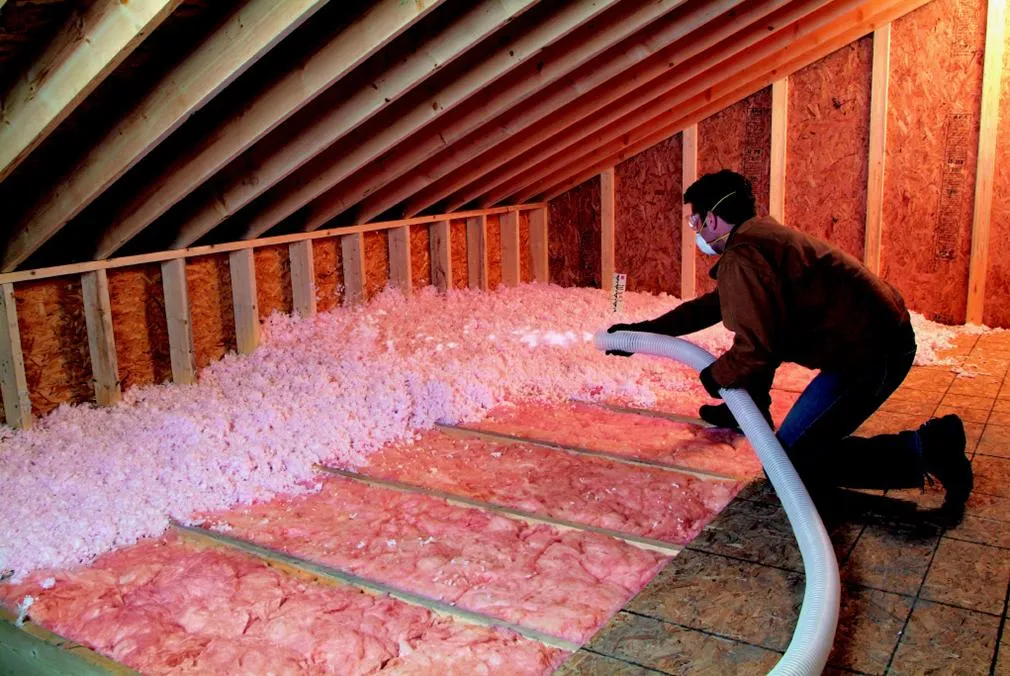
Blow-in insulation is an efficient method of enhancing your home’s energy efficiency by filling gaps and hard-to-reach areas with loose insulation material.
Insulation Removal
Insulation removal involves safely extracting old, damaged, or contaminated insulation from your attic or crawl space.
Replace damaged, aging, or inefficient ductwork to improve airflow, indoor comfort, and HVAC efficiency.
Batt Insulation
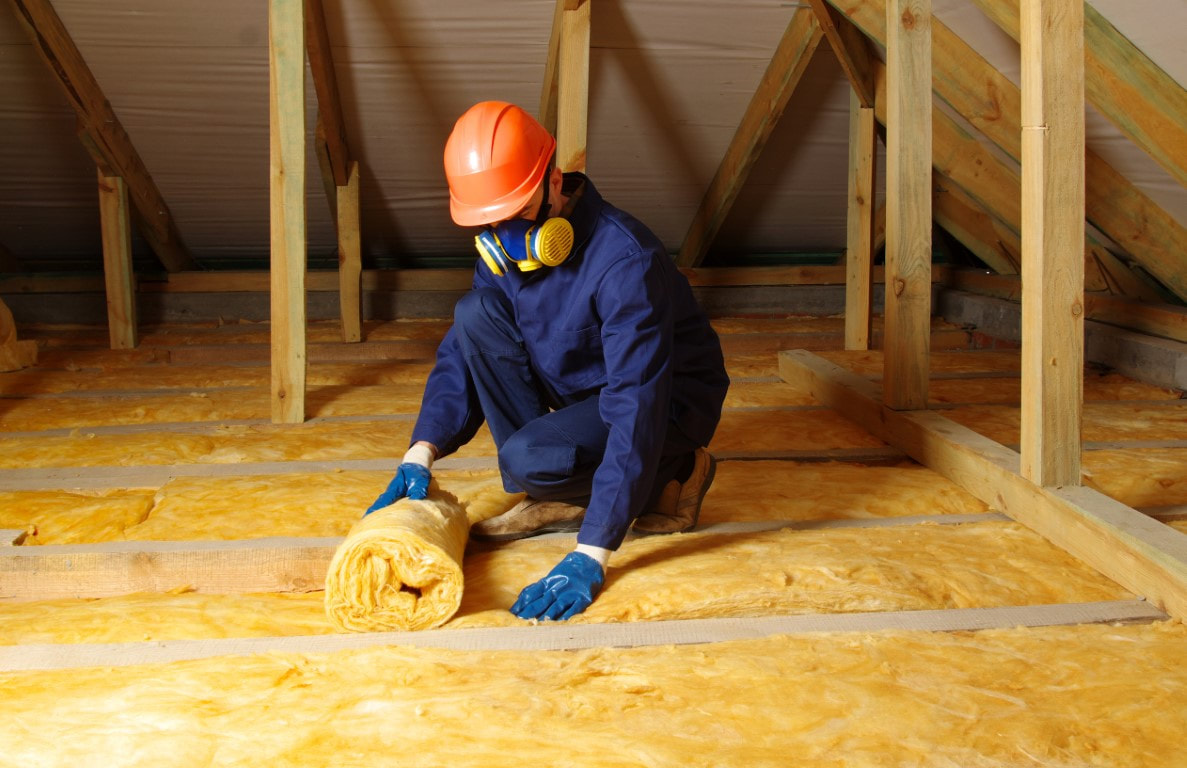
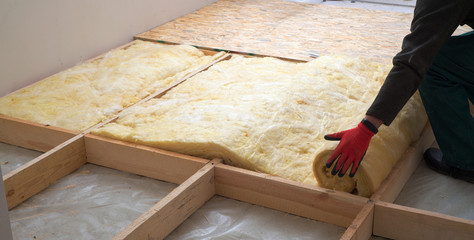
Our Batt Insulation service offers a cost-effective, reliable solution for insulating walls, floors, ceilings, and attics.
Our Spray Foam Insulation service provides an advanced solution for maximum energy efficiency and air sealing.
Air Duct Cleaning
Air duct cleaning removes dust, debris, allergens, and contaminants from your HVAC system’s ductwork to improve indoor air quality and system efficiency.
Transform Your Attic and Your Home
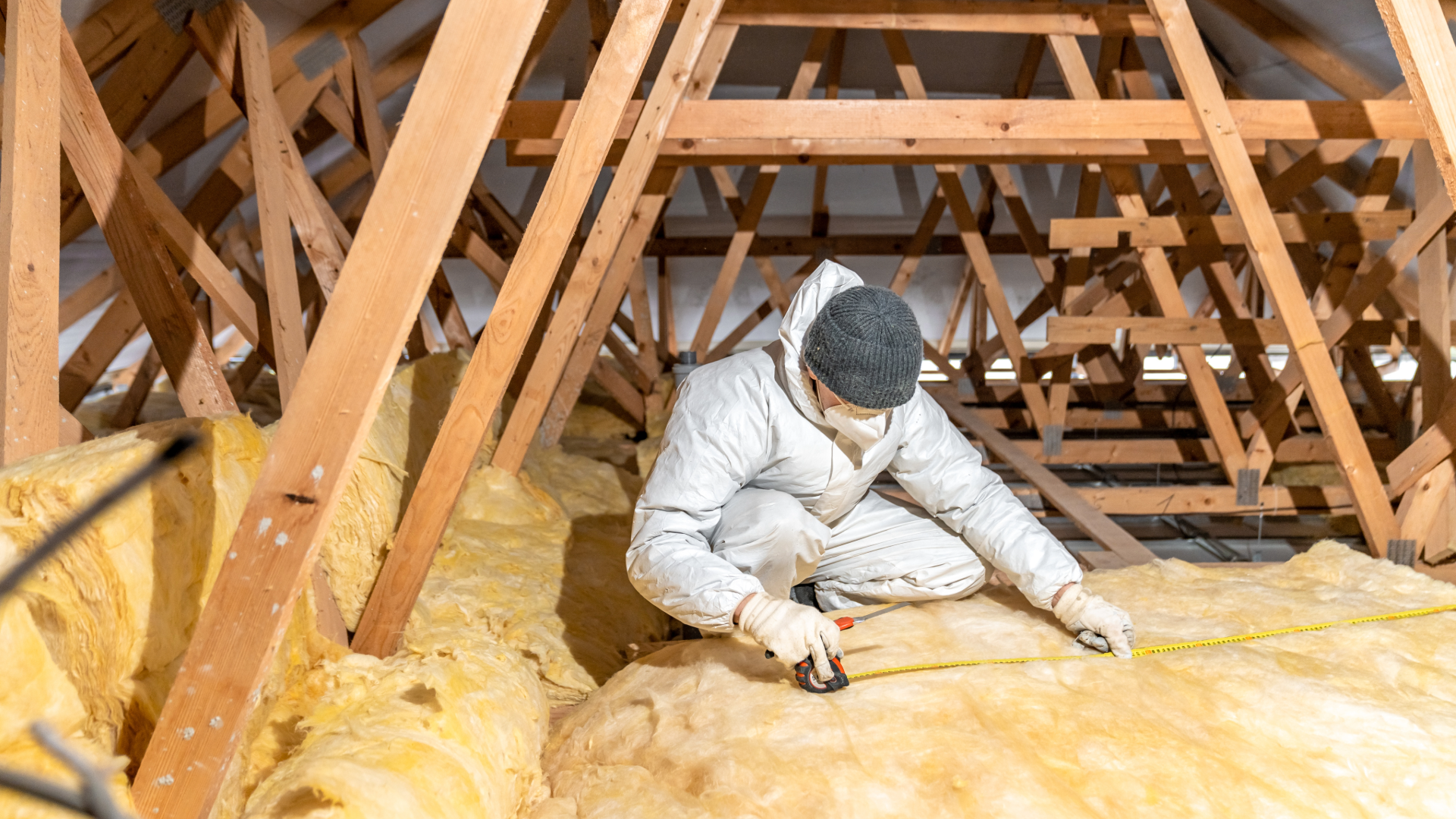
At Attic Fanatics, we specialize in turning your attic into a powerhouse of energy efficiency, comfort, and cleanliness. As trusted attic insulation contractors, we handle everything from outdated insulation and dusty air ducts to lingering allergens, providing top-tier solutions that upgrade your attic and elevate your entire living space.
Our services include cutting-edge spray foam insulation for airtight efficiency, blown-in insulation for hard-to-reach spots, and meticulous air duct cleaning to ensure healthier air for your family. With a team of skilled professionals, we deliver results you can feel in every corner of your home – from better temperature control to reduced energy bills.
Real Attic Insulation Projects
See the difference professional attic insulation can make.
📍Miami, FL 33173
Project Duration: 2 days
Work Performed: Removal of existing insulation and installation of new blow-in insulation.
Potential Energy Savings: Estimated $350–$500 per year, depending on existing insulation, home size, and energy usage.
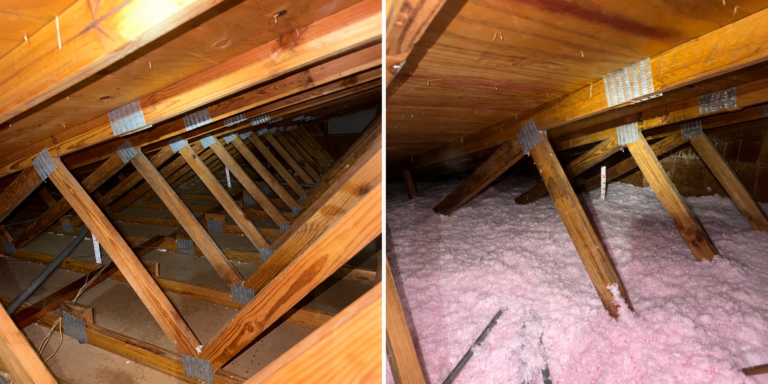
📍Hileah, FL 331010
Project Duration: 2 days
Work Performed: Attic insulation removal and blow-in insulation installation to improve thermal performance.
Potential Energy Savings: Estimated $300–$450 per year, depending on existing insulation, home size, and energy usage.
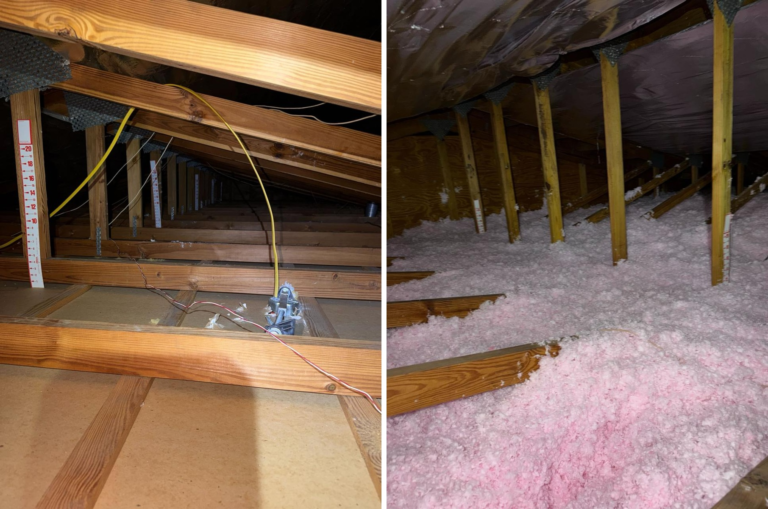
📍Fort Lauderdale, FL 33301
Project Duration: 1 day
Work Performed: Removal of existing attic insulation and installation of new blow-in insulation.
Potential Energy Savings: Estimated $250–$400 per year, depending on existing insulation, home size, and energy usage.
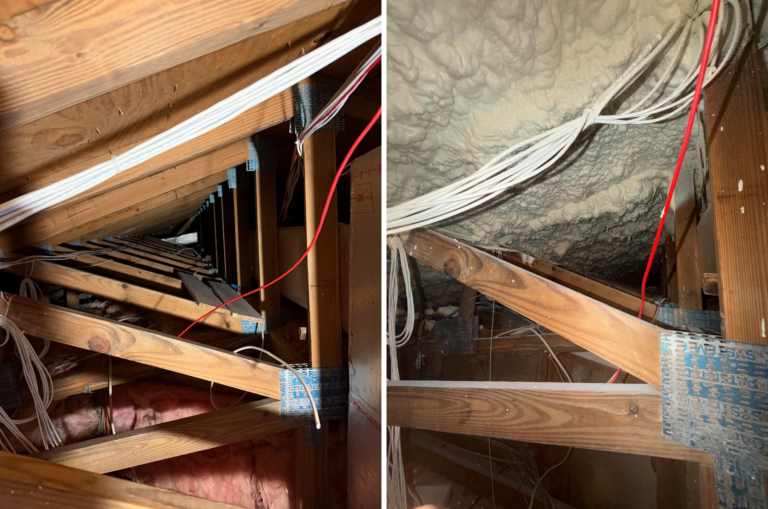
📍Boca Raton, FL 33433
Project Duration: 2 days
Work Performed: Attic insulation removal and replacement with spray-applied foam insulation.
Potential Energy Savings: Estimated $350–$500 per year, depending on existing insulation, home size, and energy usage.
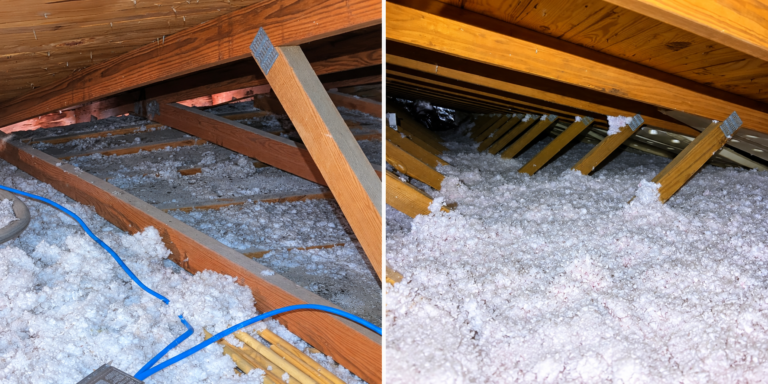
📍Miami, FL 33176
Project Duration: 2 days
Work Performed: Removal of old attic insulation and installation of new blow-in insulation.
Potential Energy Savings: Estimated $300–$450 per year, depending on existing insulation, home size, and energy usage.
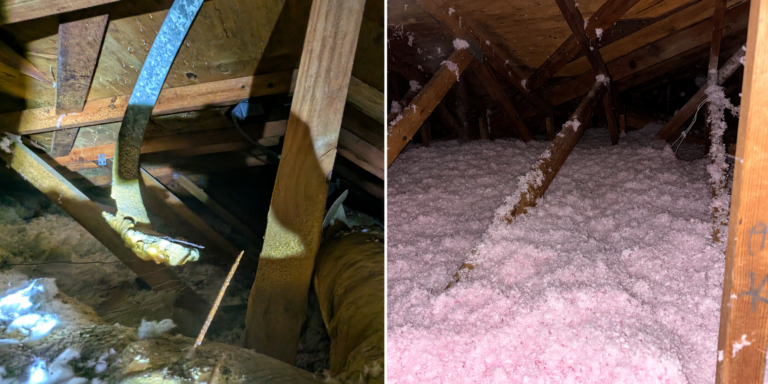
📍Davie, FL 33328
Project Duration: 2 days
Work Performed: Removal of existing attic insulation and installation of new blow-in insulation.
Potential Energy Savings: Estimated $250–$400 per year, depending on existing insulation, home size, and energy usage.
Explore Our Attic Insulation Projects Across South Florida
Discover attic insulation projects completed throughout South Florida. Explore the map to find projects by location, view completed work, and learn more about our attic cleaning, insulation removal, and blow-in insulation services.
Ready to Improve Your Attic Insulation?
Get a professional attic assessment and find the right insulation solution for your home.
Why Choose Us
The Benefits of Choosing Attic Fanatics
At Attic Fanatics, we combine expertise, quality craftsmanship, and eco-friendly solutions to deliver unmatched attic insulation and cleaning services
Our advanced insulation solutions seals your attic efficiently to prevent energy loss enjoy comfort and savings.
We remove old insulation, sanitize your attic, and clean air ducts to reduce allergens, dust, and mold.
Our experienced team is dedicated to providing reliable, high-quality service with attention to detail.
Dedicated to friendly, reliable service with clear communication and customer-first solutions.
Featured Project
Attic Insulation for South Florida Homes
Discover the impact of expertly insulated attics. Our projects showcase enhanced energy efficiency, improved comfort, and superior craftsmanship that elevates your home’s value and performance. Feel the difference insulation makes as we guide you in choosing the best insulation for attic solutions tailored to your needs.
Filling Attic With Blow In
Blow-in Insulation
Adding Batt Insulation
Batt Insulation
Attic Blow-in Insulation
Blow-in Insulation
Blow in Attic Solution
Blow-in Insulation
Batt Insulation in Attic
Batt Insulation
Spray Foam in The Attic
Spray Foam Insulation





Maximize Comfort with Blow-In Insulation
Efficiently fill every nook and cranny of your attic with our premium blow-in insulation.
Ready to experience the difference? Contact us today for a free estimate on blow-in insulation!
Testimonials
What Our Customers Are Saying
Hear from our satisfied customers who have experienced the exceptional service and results Attic Fanatics delivers.
EXCELLENT Based on 44 reviews
 Posted on Google
 Aneti KThese guys are amazing. I had the team come out to check our attic insulation and also do some attic sanitization, as we were dealing with a musty smell. They gave me a few options to repair or replace the old insulation. While everyone has different needs, I decided to go for the replacement. They even offered a flexible payment plan that I couldn’t believe! The next day, the team was back to get everything done. These guys really know their stuff. I can’t speak to the exact price because every home is different, but trust me, they answered every question and were there when I needed them. Highly recommend Attic Fanatics!Posted on Google
 Esther NicolauThe name tells it all “Attic Fanatics” are an incredible team of fanatics with their professionalism, knowledge, reliable and courteous from beginning to end. Since my home was built in 1950 and have lived here for 29 years I’m sure the insulation in my attic was super old, dusty and dirty. Levi explained everything and answered all my questions or doubts. The team came and removed all the old contaminated insulation, sanitized, blow-in new insulation, air gap sealing, duct sealing and duct cleaning. Thank you again to the guys that worked non-stop on my attic. Levi and Benny thank you for your excellent service! I highly recommend them for any insulation.Posted on Google
 Gary KoliadaMy wife and I had a GREAT experience with Attic Fanatics. We noticed our attic insulation was old and causing some energy issues, so we decided to have it removed. Levi came out for the inspection and was super thorough. He walked us through what needed to be done and made sure we understood the whole process. When it came time for the insulation removal, the team got to work quickly and cleaned everything up after. The difference was noticeable almost immediately. Our home feels more comfortable, and we’re hopeful about saving on energy bills moving forward. Levi and the team were extremely professional, friendly, and really knowledgeable. Highly recommend them for anyone needing insulation removal!Posted on Google
 HR Luxhighly recommend for attic insulation! Their team was professional, punctual, and extremely knowledgeable. They explained everything clearly, worked efficiently, and left my home spotless. I’ve noticed a significant improvement in temperature control and lower energy bills. If you need insulation done right, this is the company to call!Posted on Google
 David WAriel did an incredible job in communicating. He explained what will be done and we were thrilled how clean they kept our house. We are already seeing the savings on our electric bill. I already recommended them to my family.Posted on Google
 Martha BuhmanSomeone really has to impress me for me to write a review Attic Fanatics did just that The entire team • professional • courteous • knowledgeable • efficient • reliable • excellent communication Their customer service, which is crucial to me, equals customer accommodation and satisfaction In my first conversation with Benny, his expertise came across loud and clear – he was easy to talk to and upfront, which spells trustworthy Even their flyer and website are well done indicating professionalism and attention to detail Beyond that, knowing that it’s all clean and fresh and new up there is indescribable – my house was built in 89/90 – I moved in January 2005 and I’m sure whatever was up there was original – there were at least 3 previous owners – there had been roof leaks and while they were fixed, the insulation remained the same – so by 2025, must have been in really bad shape – just because you can’t see something doesn’t make it all right I could go on so suffice to say, I can’t recommend them enough! Plus, I love the name!!!Posted on Google
 David RaskindWhat a turnkey and pleasant experience! From the initial inquiry to the end of the job, this company was so professional and knowledgeable. They did an awesome job cleaning our ducts and the air in the house now smells fresh and clean! Highly recommend!Posted on Google
 Moishy KorfReliable, responsive, honest. 10/10 would reccomendPosted on Google
 Menny BenShimonThese guys are professionals! Clean work, on time, and no hidden charges lateron. I can already see the difference in my electric bill. Highly recommend!Verified by TrustindexTrustindex verified badge is the Universal Symbol of Trust. Only the greatest companies can get the verified badge who has a review score above 4.5, based on customer reviews over the past 12 months. Read more
Attic Insulation Questions Answered
The recommended R-value depends on your climate zone, existing insulation, and local building code. In warmer states like Florida, most attics perform well with R30 to R38, while colder regions often require R49 or higher.
- R30–R38: Common for warm climates.
- R49–R60: Recommended for colder regions.
- Existing insulation affects how much additional material is needed.
- A professional inspection determines the correct target R-value.
The cost depends on attic size, insulation depth, material type, accessibility, and whether old insulation must be removed. Pricing is typically based on the number of square feet and the final R-value being installed.
- Larger attics require more insulation material.
- Higher R-values increase material quantity and labor.
- Existing damage or contamination may add preparation costs.
- An on-site estimate provides the most accurate price.
Most residential attic insulation projects are completed within one day. Smaller homes may take only a few hours, while larger attics or projects involving air sealing or insulation removal can require additional time.
- Typical installation: 3–8 hours.
- Large or complex attics may require a full day.
- Air sealing and preparation extend project time.
- Homeowners can usually use the house immediately after completion.
Yes, in many cases new blown-in insulation can be added directly over existing insulation if it is dry, clean, and free of mold, pests, or major damage. The existing insulation still contributes to the overall R-value.
- Existing insulation must be dry and in good condition.
- Wet, moldy, or contaminated insulation should be removed first.
- New insulation fills gaps and increases thermal performance.
- An inspection confirms whether adding insulation is appropriate.
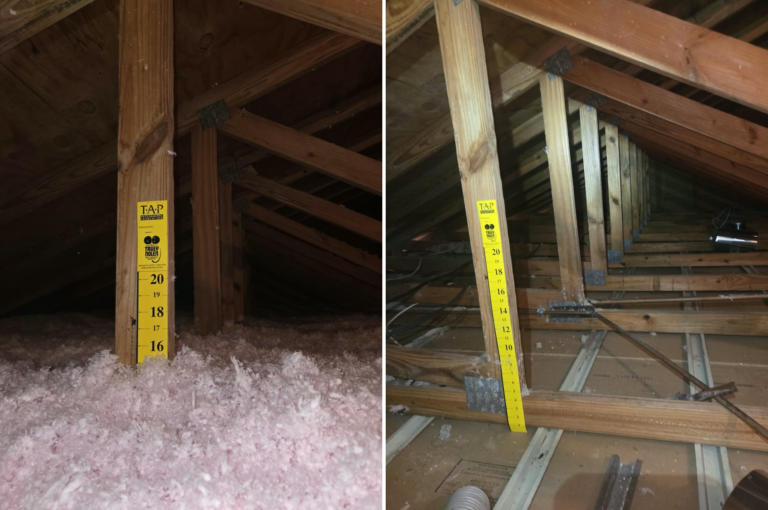
Several signs indicate insufficient attic insulation, including high energy bills, uneven indoor temperatures, and visible attic floor joists. Measuring the current insulation depth and comparing it with the recommended R-value provides the most reliable assessment.
- Rooms become hot in summer or cold in winter.
- HVAC equipment runs longer than normal.
- Energy costs continue to increase.
- Insulation sits below the top of the attic joists.
- A professional attic inspection confirms the existing R-value and recommends the proper insulation level.
Both materials improve attic energy efficiency, but they differ in composition, moisture resistance, and long-term performance. Fiberglass is commonly used in humid climates because it does not absorb moisture as easily as cellulose and maintains its insulating properties over time.
- Fiberglass is made from recycled glass fibers.
- Cellulose is made from recycled paper treated with fire retardants.
- Fiberglass is more resistant to moisture and mold.
- Cellulose provides a slightly higher R-value per inch.
- Fiberglass settles less over time.
The best material depends on your climate, attic condition, and insulation goals. A professional inspection helps determine which option will provide the best long-term performance.
Proper attic insulation reduces heat transfer through the roof, helping your HVAC system maintain indoor temperatures with less effort. Homes with insufficient insulation often experience unnecessary energy loss, especially during summer and winter.
- Reduces heat entering the attic during hot weather.
- Keeps conditioned air inside the living space.
- Lowers HVAC runtime.
- Improves overall energy efficiency.
- Can reduce monthly heating and cooling costs.
The amount you save depends on your current insulation level, attic condition, home size, and local climate, but upgrading attic insulation is one of the most effective energy improvements for most homes.
The required insulation depth depends on the material being installed because fiberglass and cellulose have different thermal resistance per inch. Contractors calculate the exact amount based on your existing insulation and the target R-value.
- R30 typically requires about 9–10 inches of fiberglass.
- R38 usually requires about 12–13 inches.
- R49 generally requires around 15–17 inches.
- Existing insulation reduces the amount of new material needed.
- Final depth is verified after installation.
An insulation contractor measures the current insulation level before installation to ensure the finished attic meets the recommended R-value.
Old insulation does not always need to be removed. If it is dry, clean, and structurally sound, additional blown-in insulation can usually be installed over it. Removal is recommended only when contamination or damage affects insulation performance.
- Remove insulation damaged by water.
- Remove insulation contaminated by rodents or pests.
- Remove insulation with mold or strong odors.
- Keep existing insulation if it is dry and evenly distributed.
- Inspect the attic before making a decision.
A professional attic inspection identifies whether the existing insulation can remain or if removal is necessary before installing new material.
Yes. Blown-in attic insulation slows the transfer of heat from the roof into your living space, helping maintain lower indoor temperatures during Florida’s long cooling season. It also reduces the workload placed on your air conditioning system.
- Blocks heat from entering through the attic.
- Improves indoor temperature consistency.
- Helps the HVAC system cool more efficiently.
- Reduces hot spots in upper-floor rooms.
- Supports lower cooling costs during summer.
For the best results in Florida, attic insulation should be combined with proper attic ventilation and air sealing to minimize heat gain throughout the year.
Yes. Once installation is complete, blown-in insulation is safe for occupants and pets when installed according to manufacturer guidelines. Professional installers use protective equipment during installation, but the insulation remains undisturbed inside the attic after the project is finished.
- Installed above the living space.
- Does not release harmful particles during normal use.
- Fiberglass insulation is non-combustible.
- Cellulose insulation is treated with fire-retardant additives.
- Safe when installed by trained professionals.
Choosing a licensed insulation contractor ensures the material is installed correctly and performs safely throughout its expected service life.
Yes. Proper attic insulation reduces heat gain and heat loss, allowing your HVAC system to maintain indoor temperatures with less operating time. Lower system workload can improve efficiency and reduce unnecessary wear on heating and cooling equipment.
- Reduces cooling demand during summer.
- Helps retain conditioned air.
- Shortens HVAC operating cycles.
- Improves temperature consistency throughout the home.
- May extend HVAC equipment lifespan.
Combining attic insulation with air sealing provides even greater efficiency by reducing uncontrolled air leakage throughout the home.
Blown-in insulation can last several decades when it remains dry and undisturbed. It does not require routine replacement unless it has been damaged by water, pests, mold, or significant settling that reduces its insulating performance.
- Typical lifespan is 20–30 years or longer.
- Fiberglass maintains its performance for many years.
- Water damage may require replacement.
- Pest contamination usually requires removal.
- Periodic attic inspections help monitor insulation condition.
If energy bills increase or insulation levels have noticeably settled, an inspection can determine whether additional insulation should be added.
Yes. Most homeowners remain at home while attic insulation is installed. The work is performed inside the attic, and professional crews take steps to minimize dust and protect indoor living areas throughout the installation process.
- Installation is completed from the attic.
- Most projects finish within one day.
- Protective coverings may be used around work areas.
- Temporary equipment noise is normal.
- The home remains accessible during the project.
Your contractor will explain any temporary precautions before work begins and let you know when the installation has been completed successfully.
No. Blown-in insulation does not attract rodents, insects, or other pests because it is not a food source. However, pests may enter an attic through existing openings regardless of the insulation type if entry points are not properly sealed.
- Fiberglass does not provide food for pests.
- Cellulose contains fire-retardant treatment.
- Existing roof or soffit openings allow pest entry.
- Air sealing helps reduce access points.
- Pest damage should be addressed before adding insulation.
If rodent activity is found during an attic inspection, it should be resolved before installing new insulation to prevent contamination and maintain long-term performance.
Blown-in insulation is installed across the attic floor to create a continuous thermal barrier above the living space. Installers ensure even coverage while keeping ventilation openings clear to maintain proper attic airflow.
- Open attic floor areas receive full coverage.
- Insulation is distributed evenly between ceiling joists.
- Access hatches may be insulated or weatherstripped.
- Baffles protect soffit ventilation from being blocked.
- Mechanical equipment remains accessible when required.
A complete installation focuses on consistent insulation depth across the attic to eliminate gaps that reduce overall energy efficiency.
They often are. Air sealing is typically completed before new insulation is installed because it closes gaps where conditioned air escapes into the attic. Sealing these leaks improves the effectiveness of the insulation and overall energy performance.
- Seals openings around pipes and wiring.
- Reduces conditioned air leakage.
- Improves insulation performance.
- Helps control moisture movement.
- Increases overall energy efficiency.
Combining air sealing with blown-in insulation delivers better long-term results than installing insulation alone.
Many homeowners may qualify for federal tax credits, local utility rebates, or state energy-efficiency incentives when upgrading attic insulation. Eligibility depends on your location, the insulation product used, and current program requirements.
- Federal tax credits may be available.
- Utility companies sometimes offer rebates.
- Program requirements vary by location.
- Receipts and product documentation are usually required.
- Incentives can change from year to year.
Before starting your project, ask your insulation contractor about current incentive programs that may help reduce the overall installation cost.
Attic insulation does not have a fixed replacement schedule. It should be evaluated whenever energy costs increase, indoor comfort declines, or the insulation has been damaged. In many homes, adding insulation is sufficient without replacing the existing material.
- Inspect insulation every few years.
- Replace insulation damaged by water or mold.
- Remove insulation contaminated by pests.
- Upgrade insulation if the R-value is below current recommendations.
- Add insulation when significant settling has occurred.
A professional attic inspection provides the most accurate assessment of whether your insulation should be replaced, upgraded, or simply supplemented with additional blown-in insulation.
Frequently Served Areas
Providing expert attic insulation and energy-saving solutions to Miami-Dade, Broward, and select areas of Palm Beach for improved comfort and efficiency
Palm Beach
Take the First Step Toward a Cleaner, More Energy-Efficient Home Today!
Ready to transform your attic and elevate your home’s comfort and efficiency? Our team is here to provide expert solutions tailored to your needs. Click below to get started with a free estimate today!