Why Insulation Alone May Not Fix a Leaky Attic
Adding more attic insulation can help keep your home comfortable, but it won’t fix every source of heat loss or unwanted airflow. If you’re wondering whether does attic insulation stop air leaks, the answer is no. Insulation slows heat transfer, while air sealing closes gaps that allow air to move between your home and attic. For homeowners in Hollywood, FL, addressing these leaks before adding insulation can help improve overall attic performance.
 Insulation, Air Sealing, and Ventilation: What’s the Difference?
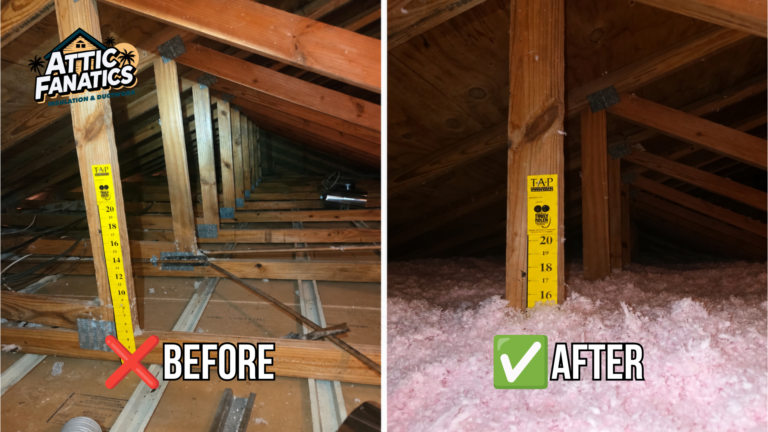
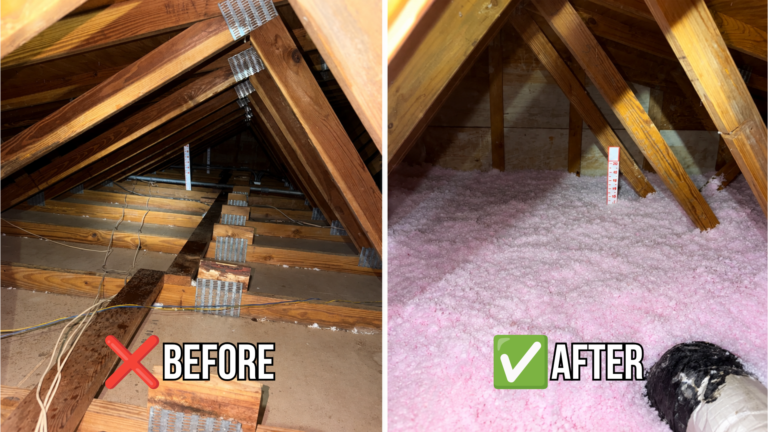
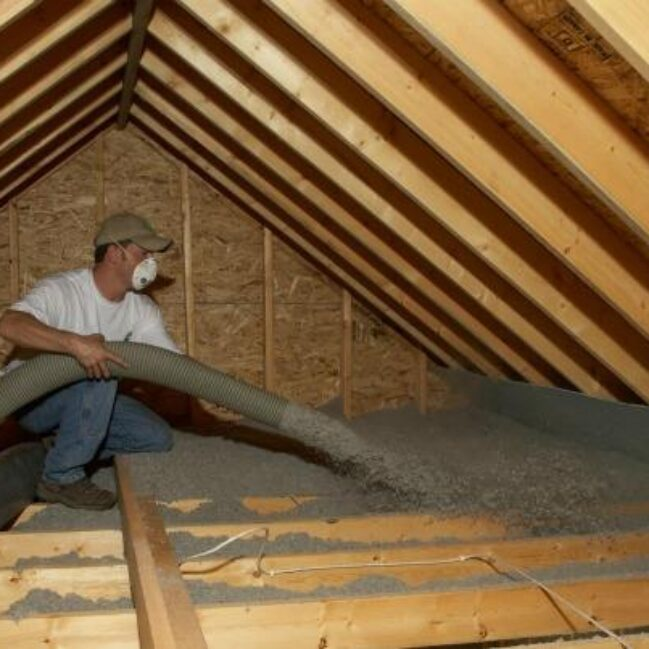
These three parts of an attic system serve different purposes. Attic insulation slows heat transfer between the attic and your living space. Blow-in insulation can fill many irregular areas across the attic floor, helping create more consistent coverage when installed correctly. Air sealing limits uncontrolled air movement through gaps between conditioned and unconditioned spaces. These openings may allow cooled indoor air to escape or hot, humid air to enter the home.
Attic ventilation helps move air through a properly designed attic ventilation system. It can help manage heat and moisture, but it does not replace insulation or seal gaps in the ceiling. The distinction matters because adding insulation, sealing air leaks, and improving ventilation are not interchangeable fixes. Each addresses a different part of the problem.
 How Air Leaks Affect Attic Insulation
Air leakage happens when air moves through unintended openings in the building envelope. In summer, cooled indoor air may escape into the attic while hot air enters through other gaps. This can make it harder to maintain a comfortable indoor temperature and may increase the demand on your air conditioning system. Insulation slows heat transfer, but it is not designed to seal every opening. If major gaps remain beneath the insulation, air can continue moving between spaces even after additional material is installed. This is why attic air sealing vs insulation is not really a choice between two competing solutions. Insulation helps control heat flow, while sealing gaps limits unwanted airflow. In many homes, both are needed to improve energy efficiency and comfort.
 Common Places Air Escapes Into the Attic
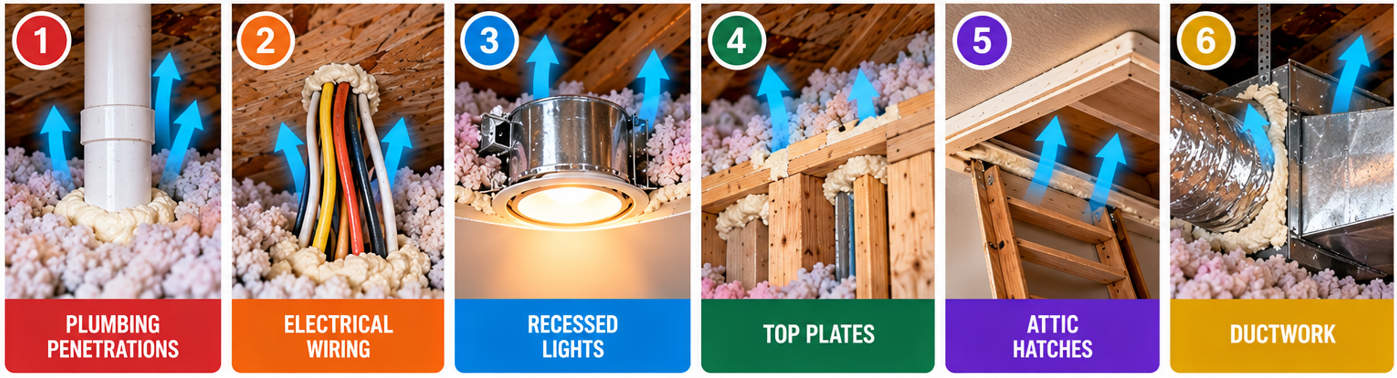
Air leaks often occur where building materials meet or where pipes, wires, and other components pass through the ceiling.
- Plumbing penetrations: Gaps around pipes can allow air to move into the attic.
- Electrical wiring: Openings around wiring and ceiling fixtures may create paths for air leakage.
- Recessed lights: Some fixtures have gaps around their housing, although sealing methods must account for the fixture’s safety rating and required clearances.
- Top plates: These are the upper horizontal framing members of walls. Gaps around them can connect wall cavities to the attic.
- Attic hatches: Poorly fitted or unsealed access panels can allow conditioned air to escape.
- Ductwork: Leaking ducts may release cooled air into the attic rather than delivering it to the intended rooms.
These areas can be easy to overlook once insulation covers the attic floor. An inspection before installation helps identify accessible openings that need attention.
 Why Air Sealing Should Come Before Insulation
Adding more material over major air leaks does not necessarily solve the problem. It may cover some openings, but insulation is not a substitute for suitable air-sealing materials and techniques. A practical approach starts with checking the attic and identifying the sources of uncontrolled airflow. Accessible gaps around plumbing penetrations, wiring, top plates, and the attic hatch can then be sealed using appropriate methods. Special care is needed around heat-producing fixtures, chimneys, flues, and other areas with specific fire-safety clearances. Once the air-sealing work is complete, the installer can assess the existing insulation and determine whether additional blow-in insulation is needed. This sequence helps avoid burying important problem areas under new material and makes it easier to address the attic as a complete system.
 Don’t Confuse Air Sealing With Attic Ventilation
Sealing leaks does not mean closing off the attic’s intended ventilation openings. These are separate parts of the system. In a vented attic, soffit vents and ridge or other exhaust vents may provide planned airflow beneath the roof. Blocking these paths with insulation can interfere with the ventilation design. At the same time, leaving unintended gaps between the living space and attic is not a substitute for proper ventilation.
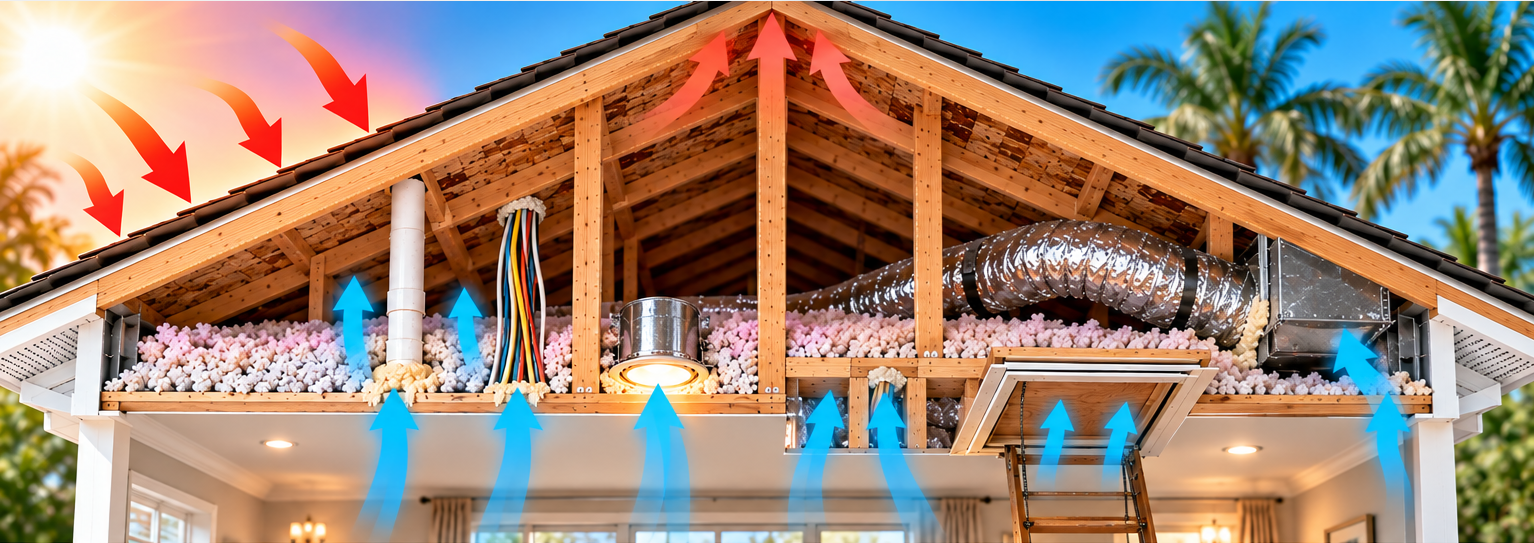
The goal is to control where air moves. Seal unwanted openings between the home and attic, preserve required clearances and ventilation paths, and make sure the insulation is installed without blocking the system’s intended airflow. Hollywood’s hot, humid weather makes this distinction especially important. The right approach depends on the attic’s design, existing conditions, and applicable building requirements.
 What About Ductwork and Conditioned Air?
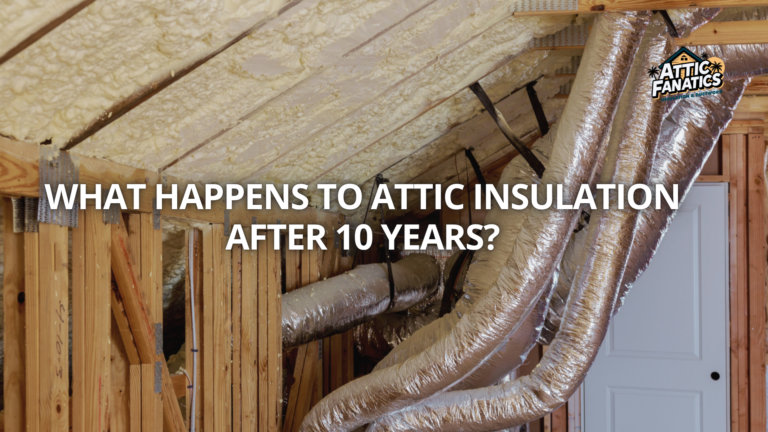
Ductwork deserves attention because many homes have air-conditioning ducts running through the attic. If a connection leaks, cooled air may escape before reaching a bedroom or living area. Damaged duct insulation can also allow unwanted heat transfer between the attic and the air moving through the ducts. Adding attic insulation alone will not repair a loose duct connection or correct a damaged duct system. If some rooms remain warmer than others or the AC struggles to maintain the thermostat setting, have the ductwork checked along with the attic insulation. Addressing these issues together can help improve comfort without assuming that insulation is responsible for every cooling problem.
Fix the Leaks Before Adding More Insulation
If your attic has noticeable air leaks, adding more insulation may not be enough. Start by identifying and sealing the gaps, checking the ductwork, and making sure the ventilation system can function as intended. Once those issues are addressed, you can decide whether additional insulation is needed to help your home stay comfortable.