What Should Be Done Before Installing Blown-In Insulation?
Blown-in insulation can make a noticeable difference in your home’s comfort and energy efficiency, but the quality of the installation depends on more than the insulation itself. Before new material is added, the attic should be evaluated to ensure there are no existing conditions that could limit its performance or hide problems that need attention.
Rather than treating every project the same, professionals assess the attic’s current condition and determine whether any repairs or improvements should be completed first. This approach helps create a solid foundation for the insulation and supports better long-term results.
How to prepare an attic for blown-in insulation
Preparing an attic starts with understanding its overall condition. Some homes only need additional insulation, while others may have moisture damage, deteriorated materials, or other concerns that should be addressed before installation.
A professional evaluation typically focuses on several key areas:
Addressing these issues beforehand helps ensure the new insulation performs as intended instead of covering problems that may become more expensive to resolve later.
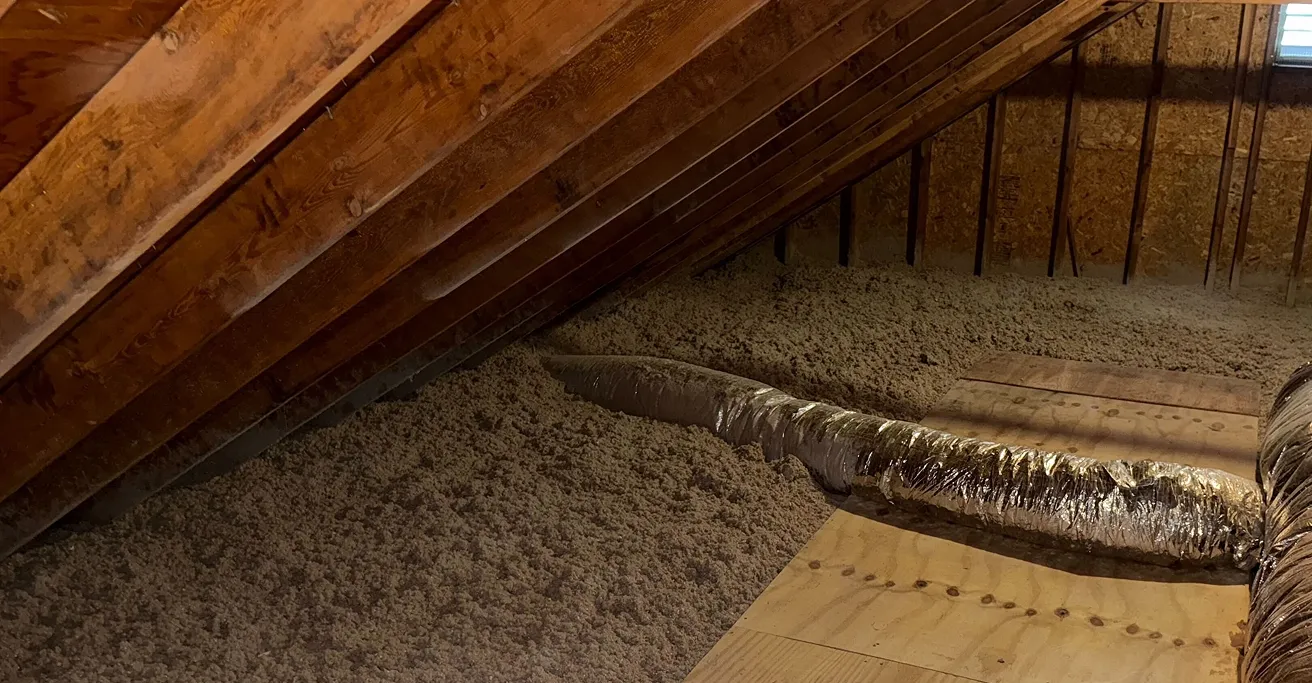
Attic preparation before insulation installation
An attic inspection provides valuable information about what the space needs before new insulation is installed. While every home is different, certain conditions deserve careful attention.
Area Evaluated | Why It Matters |
Existing insulation | Determines whether it can remain or should be replaced |
Moisture | Prevents damage to new insulation and surrounding materials |
Air leaks | Reduces unnecessary energy loss before insulation is added |
Ventilation | Supports proper airflow and temperature control |
Electrical components | Identifies visible concerns that may need attention |
Attic access | Allows safe installation and future inspections |
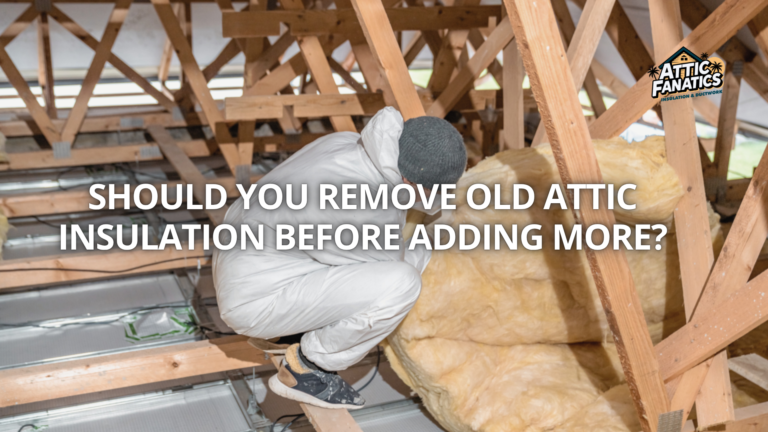
One of the most important decisions involves the existing insulation. If it has become compressed, contaminated, or damaged over time, simply adding another layer may not provide the best results. In those situations, insulation removal creates a cleaner starting point and allows underlying issues to be identified more easily.
Steps before adding blown-in insulation
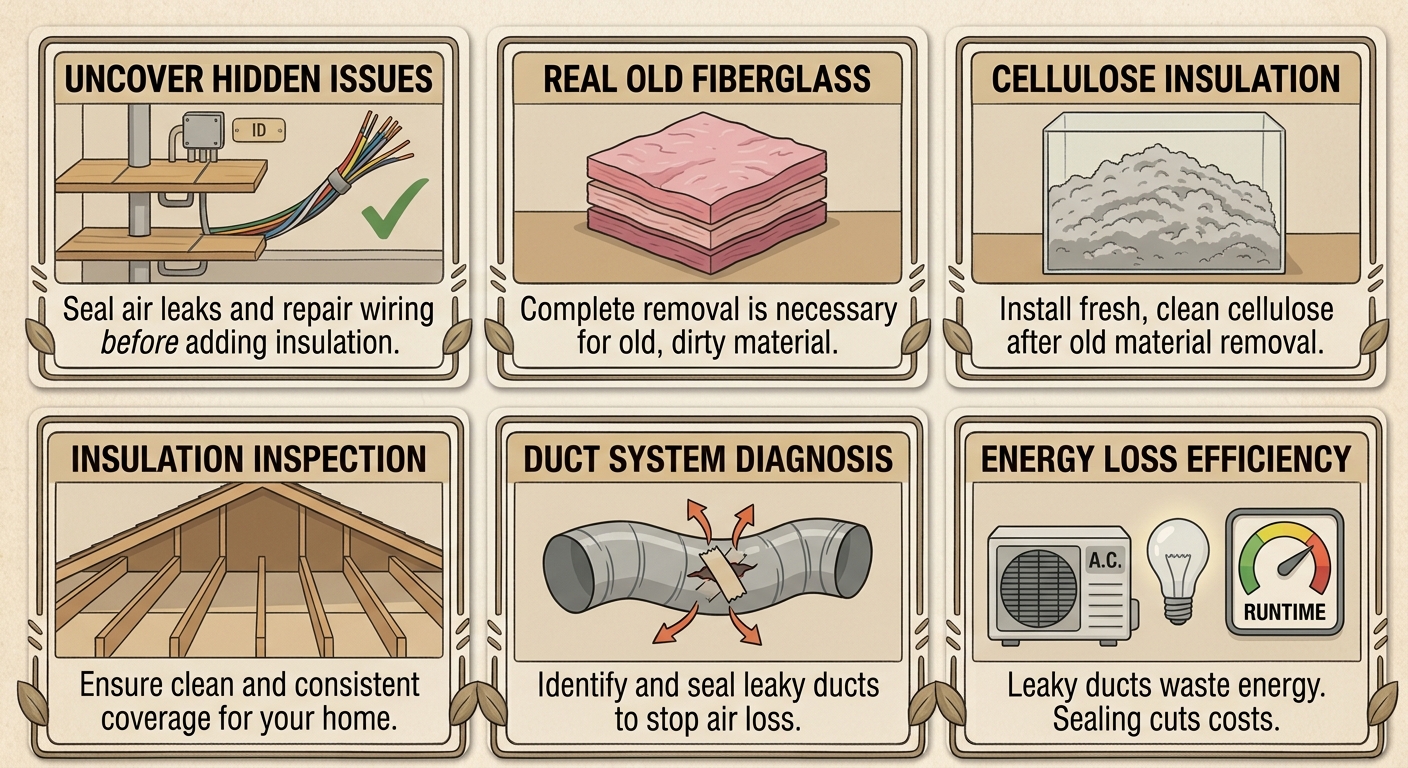
Why the attic’s condition matters
Blown-in insulation is designed to improve thermal performance, not conceal existing problems. Installing it over damaged insulation, active leaks, or unresolved moisture concerns can make future inspections more difficult and reduce the overall value of the upgrade.
Taking the time to prepare the attic first allows each part of the system to work together more effectively. Instead of treating insulation as a quick fix, the focus is placed on creating an attic environment where the new material can deliver lasting performance.
At Attic Fanatics, every insulation project begins with a thorough evaluation of the attic. The team assesses insulation levels, identifies conditions that may affect performance, and recommends the most appropriate solution based on the home’s needs. Every attic has different needs. Some homes are ready for new blown-in insulation, while others may benefit from insulation removal first if the existing material has been damaged or contaminated.
If you’re considering upgrading your attic insulation, schedule an inspection with Attic Fanatics to find out what your attic needs before installation begins.