Can Attic Problems Affect the Air You Breathe at Home?
The air inside your home is constantly moving. Every time your heating or cooling system runs, it circulates air throughout the house. If the attic contains damaged insulation, dust, or hidden contamination, some of those particles may find pathways into your living space through small openings and HVAC leaks.
Homeowners focus on filters and routine cleaning when indoor air feels dusty or stale. However, problems above the ceiling can also influence air quality. Identifying these hidden issues can help improve comfort and reduce unwanted airborne particles inside the home.
Can Attic Problems Affect Indoor Air Quality?
Many homeowners searching can attic problems affect indoor air quality are surprised to learn that the attic is connected to the rest of the home more than they realize. Small openings around ceilings, recessed lights, ductwork, and attic access points allow air to move between spaces. When these pathways exist alongside damaged insulation or contamination, particles and odors may gradually enter occupied rooms instead of remaining isolated above the ceiling.
Common Attic Issues That Affect Indoor Air
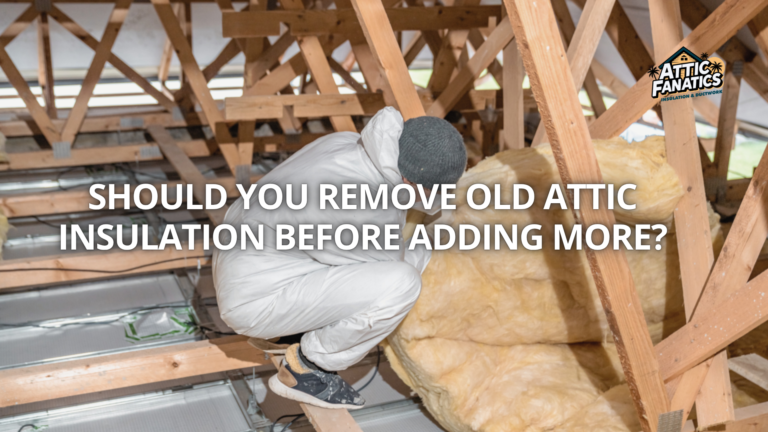
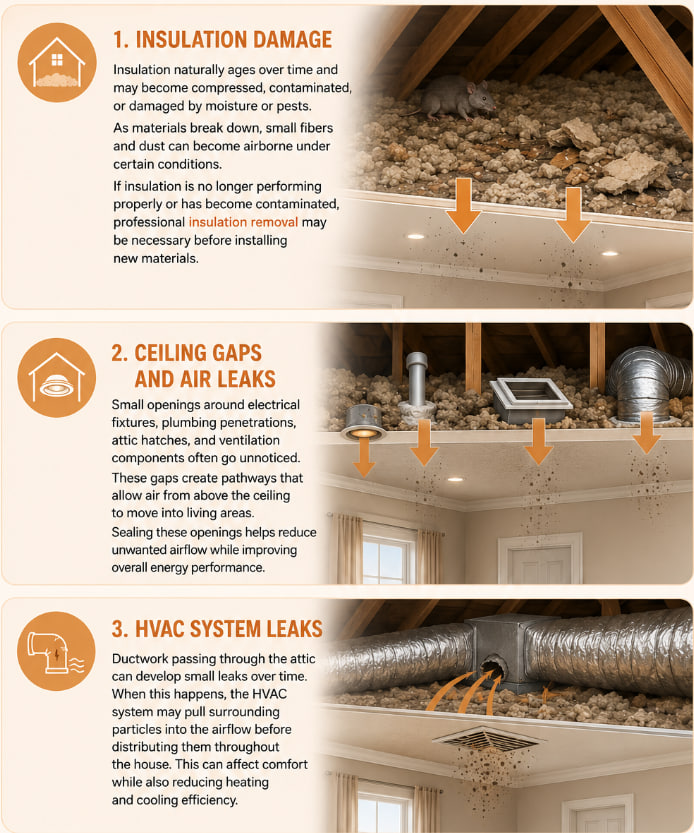
- Insulation Damage – Insulation naturally ages over time and may become compressed, contaminated, or damaged by moisture or pests. As materials break down, small fibers and dust can become airborne under certain conditions. If insulation is no longer performing properly or has become contaminated, professional insulation removal may be necessary before installing new materials.
- Ceiling Gaps and Air Leaks – Small openings around electrical fixtures, plumbing penetrations, attic hatches, and ventilation components often go unnoticed. These gaps create pathways that allow air from above the ceiling to move into living areas. Sealing these openings helps reduce unwanted airflow while improving overall energy performance.
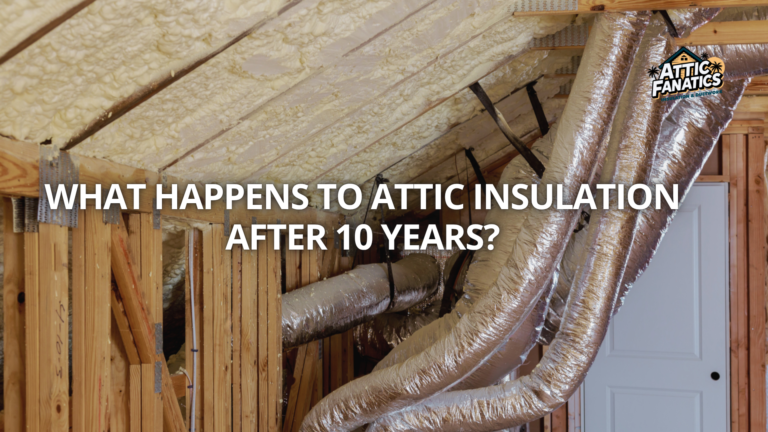
- HVAC System Leaks – Ductwork passing through the attic can develop small leaks over time. When this happens, the HVAC system may pull surrounding particles into the airflow before distributing them throughout the house. This can affect comfort while also reducing heating and cooling efficiency.
Why Attic Conditions Shouldn’t Be Ignored
When homeowners investigate attic air quality problems, they often discover that multiple issues are contributing at the same time. Dust, deteriorated insulation, and unsealed openings frequently work together rather than independently.
A professional inspection looks beyond visible debris to evaluate insulation performance, air movement, and potential contamination throughout the upper portion of the home.
How Attic Contamination Can Spread
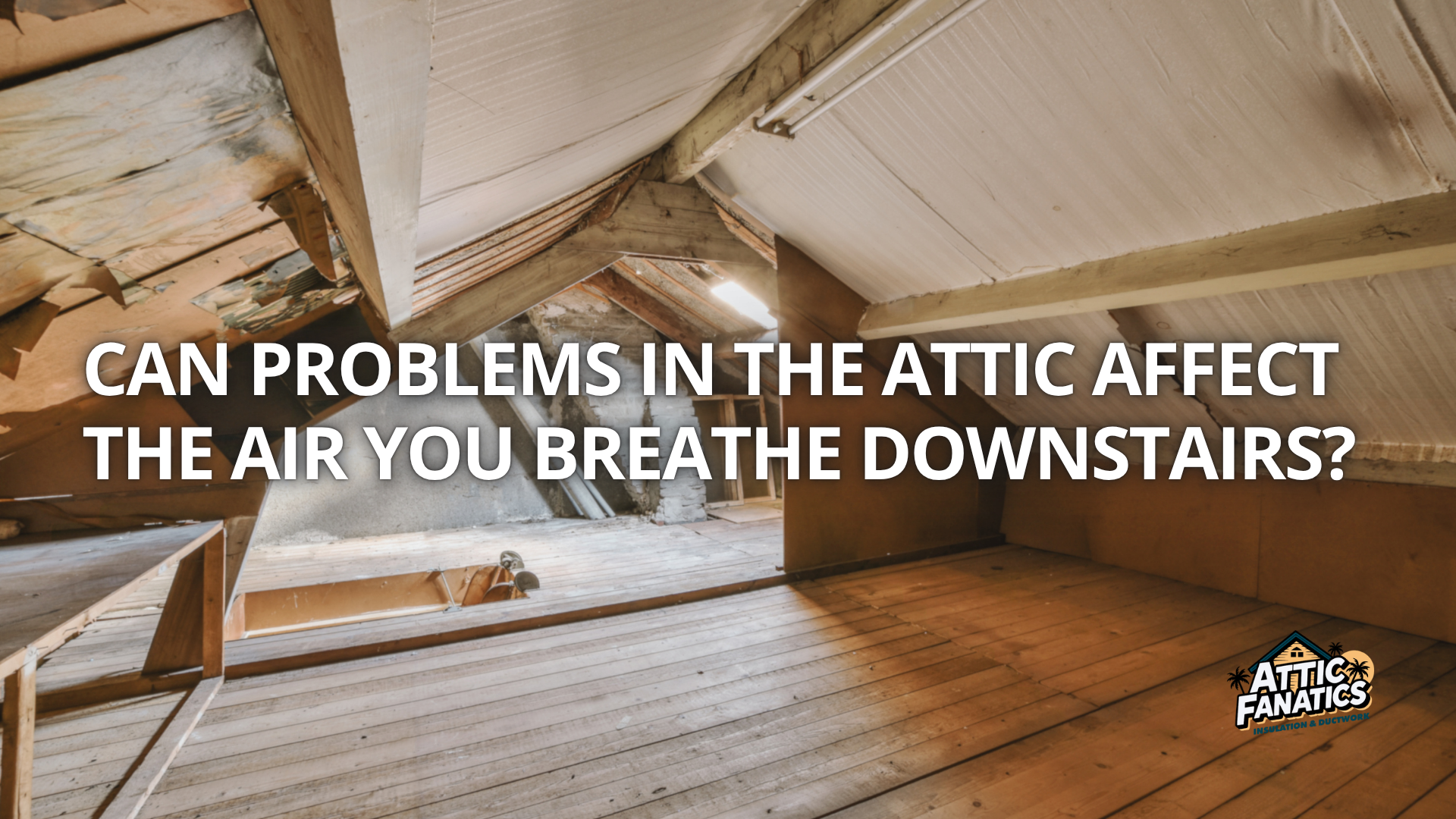
The attic is exposed to years of dust accumulation, insulation breakdown, and, in some homes, rodent activity or moisture-related issues. Without proper sealing, these contaminants may gradually move into indoor spaces.
Air Movement Between Spaces
Pressure differences inside a home naturally cause air to move upward and downward throughout the structure. Small openings allow particles to travel much farther than homeowners typically expect.
Contamination Around Ductwork
When contaminants collect near HVAC ducts or surrounding insulation, they may be disturbed whenever the system operates. This increases the likelihood that fine particles will circulate through occupied rooms.
Homeowners researching attic contamination in the home are often surprised to learn that contamination is not always visible from inside the living space.
- 🧱 Damaged or deteriorating insulation
- 🚪 Gaps around ceiling fixtures and attic access points
- 🧹 Dust and debris collecting above the ceiling
- 🌬️ HVAC duct leaks drawing in surrounding particles
- 👃 Persistent stale or musty odors indoors
These warning signs may indicate that a professional inspection is worthwhile.
Solutions That Improve Indoor Air
Addressing attic-related issues usually involves more than replacing insulation alone. A complete evaluation may include identifying hidden openings, inspecting ductwork, assessing contamination, and determining whether insulation still performs effectively.
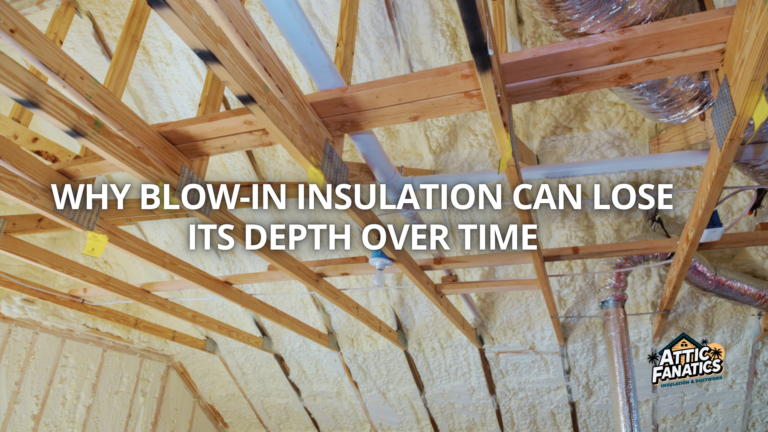
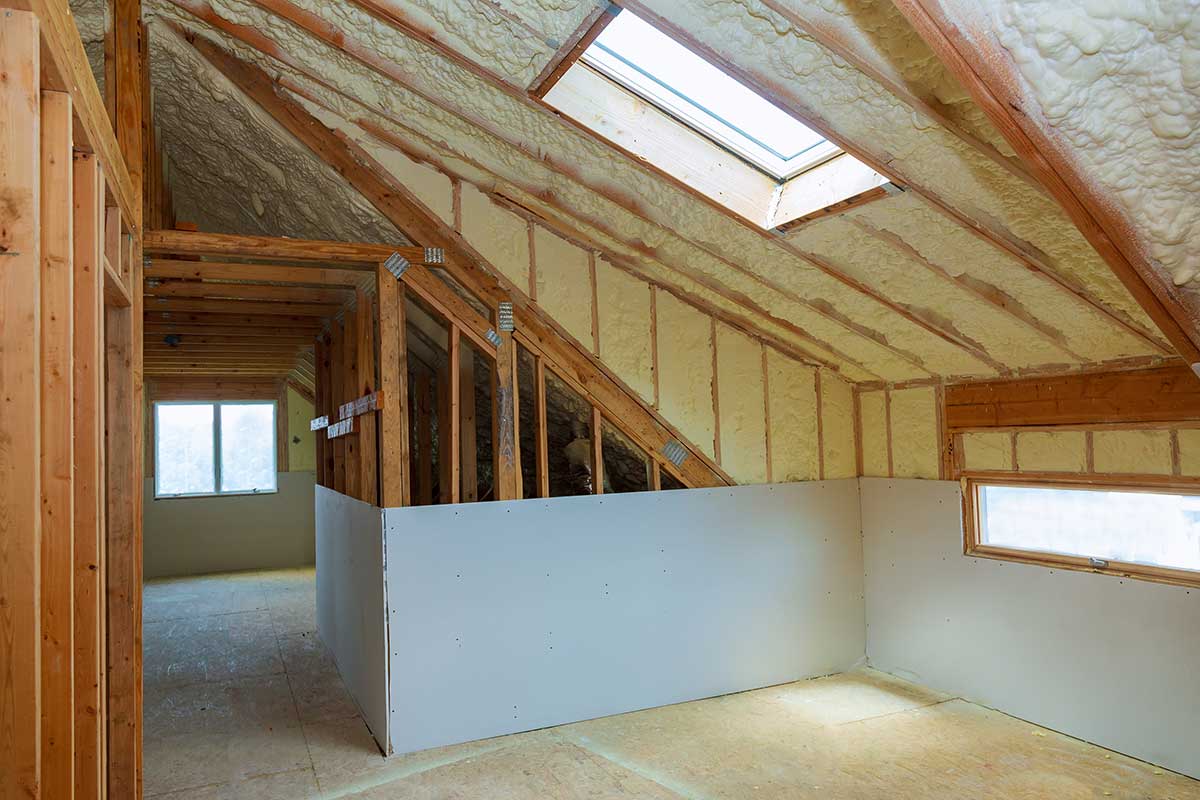
If replacement is recommended, upgrading with modern blow-in insulation helps restore thermal performance while improving the condition of the home’s upper thermal barrier.
Attic Issue | Possible Effect Inside the Home |
Damaged insulation | Increased airborne fibers and reduced efficiency |
Ceiling gaps | Unwanted air movement between spaces |
Duct leakage | Dust circulation through HVAC operation |
Contaminated upper areas | Odors and airborne particles entering living spaces |
Aging insulation | Reduced comfort and declining performance |
How Attic Fanatics Identifies Hidden Air Quality Issues
Attic Fanatics evaluates insulation condition, ceiling penetrations, duct connections, and contamination sources to identify issues that may be affecting indoor air. Their inspections focus on finding the underlying causes rather than simply treating the visible symptoms. Whether the problem involves deteriorated insulation, unsealed openings, or accumulated debris, a thorough inspection helps homeowners understand which improvements will have the greatest impact.
If you suspect attic conditions are affecting the air inside your home, scheduling a professional evaluation is the best place to start.