Can Old Insulation Lose Performance Without Visible Damage?
Many homeowners assume insulation is working as long as it still looks intact. If there are no obvious signs of water damage, mold, or missing sections, it is easy to believe everything is performing as expected. In reality, insulation can lose much of its effectiveness over the years without showing clear visual warning signs.
Age, settling, moisture, and everyday wear gradually reduce thermal resistance, allowing more heat to move through the home. Recognizing these hidden changes early can help homeowners avoid rising energy costs and declining indoor comfort.
Can Old Insulation Lose Effectiveness?
One of the most common questions homeowners ask is can old insulation lose effectiveness even if it appears to be in good condition. The answer is yes. Many insulation materials slowly lose their ability to resist heat transfer due to changes that are difficult to see from the surface. These changes may not be obvious during a quick visual inspection, but they can significantly reduce overall thermal performance.
Common Reasons Insulation Loses Performance
- Insulation Settling – Loose-fill insulation naturally settles over time. As the material becomes less evenly distributed, some areas receive less coverage than originally intended. Even small reductions in depth can create weak spots where heat moves more easily through the ceiling.
- Compressed Insulation – Insulation works by trapping pockets of air. When the material becomes compressed from storage, foot traffic, or other pressure, those air pockets become smaller. As compression increases, thermal resistance decreases, making the insulation less effective at controlling indoor temperatures.
- Moisture Exposure – Minor roof leaks, condensation, or elevated humidity can affect insulation long before visible damage appears. Even after the material dries, its thermal performance may not fully recover. If damp conditions persist, the insulation becomes more vulnerable to contamination and gradual deterioration.
Does Insulation Lose Performance Over Time?
Homeowners researching does insulation lose performance over time often expect to find obvious signs of failure. However, declining efficiency usually develops gradually rather than all at once. Small changes accumulate over many years, making them difficult to notice until heating and cooling systems begin working harder to maintain comfortable temperatures.
Signs Performance May Be Declining
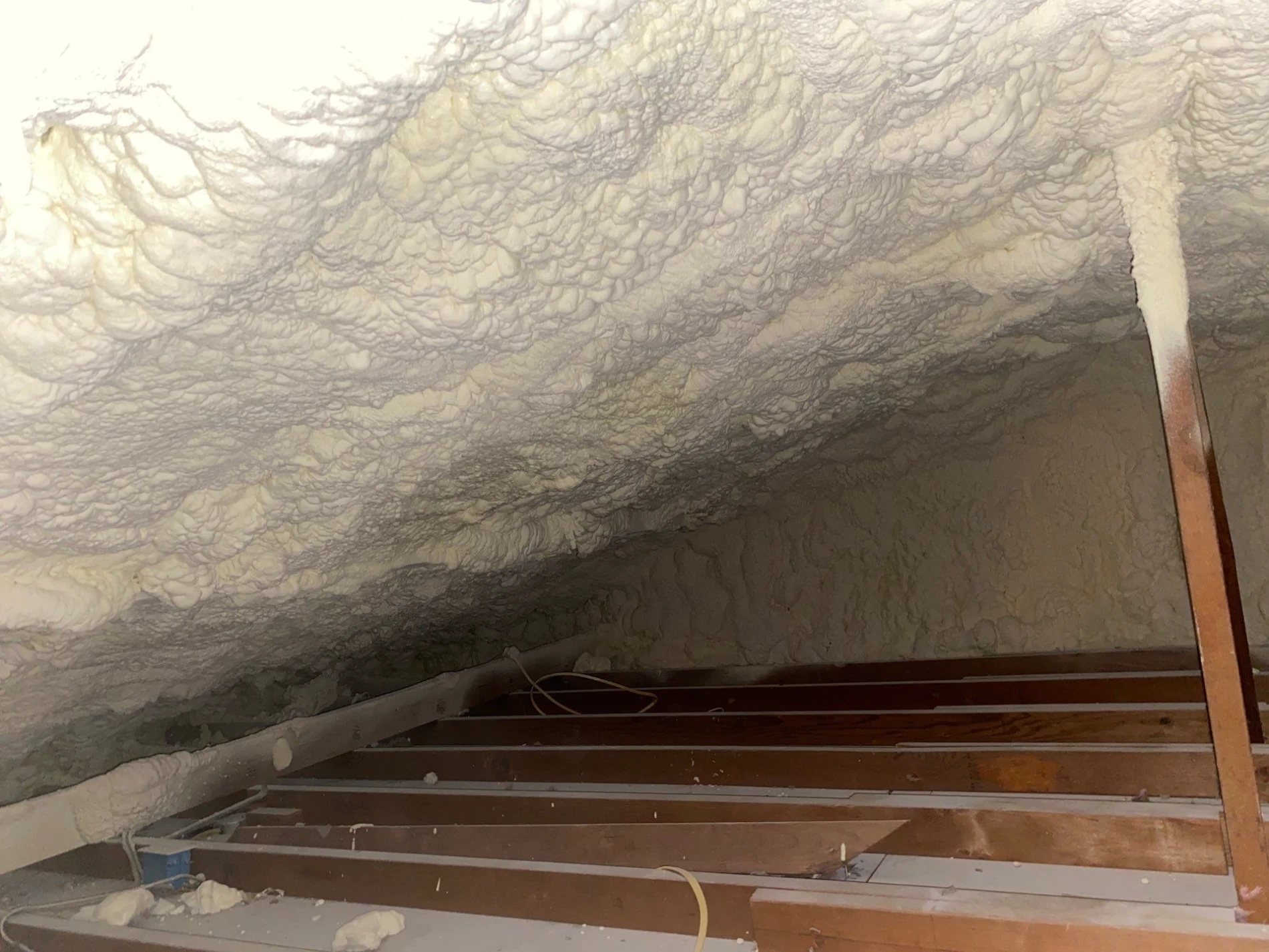
Old insulation may continue covering the attic floor while no longer providing the level of protection it once did.
Common warning signs include:
These signs do not always mean complete replacement is necessary, but they often justify a professional inspection.
When Additional Insulation Is Enough
In some homes, the existing insulation remains clean, dry, and structurally sound. If the primary issue is insufficient depth caused by settling, adding new material may restore the desired level of thermal protection. Modern blow-in insulation is often used to improve coverage while increasing overall energy efficiency.
When Should Attic Insulation Be Replaced?
The answer to when should attic insulation be replaced depends on its condition rather than age alone. Replacement is generally recommended when insulation has become contaminated, heavily compressed, moisture damaged, or affected by pests. In these situations, simply adding more material may trap existing problems beneath a new layer.
Professional insulation removal allows damaged materials to be safely removed before replacement begins.
Insulation Condition | Recommended Approach |
Minor settling | Add additional insulation if material remains in good condition |
Uneven coverage | Restore proper depth where needed |
Moisture damage | Evaluate for removal and replacement |
Heavy compression | Assess remaining thermal performance |
Contamination or pest activity | Remove damaged insulation before installing new material |
How Attic Fanatics Evaluates Existing Insulation
Every home ages differently, which is why appearance alone cannot determine insulation performance. Attic Fanatics performs detailed inspections that evaluate insulation depth, moisture exposure, settling, contamination, and overall thermal condition before recommending improvements. This approach helps homeowners understand whether additional insulation will solve the problem or whether removal and replacement provide the better long-term solution.
If your home’s insulation has not been inspected for many years, scheduling a professional evaluation can help identify hidden efficiency problems before they become more costly.