What Happens to Attic Insulation After 10 Years?
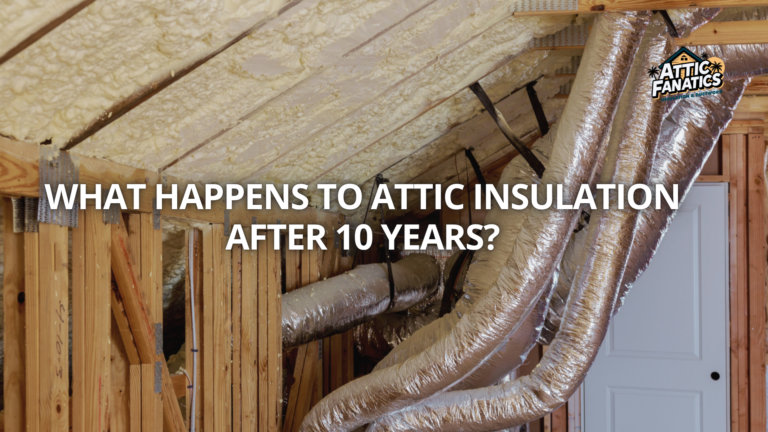
Ten years is a good time to check your attic blow-in insulation, but age alone doesn’t tell you whether it needs replacing. Some insulation remains in good condition for decades, while other material develops gaps, moisture damage, or uneven coverage much sooner. For homeowners, a simple attic checkup can help reveal whether the existing material is still doing its job or needs attention.
 How Long Does Attic Insulation Last?
The attic insulation lifespan depends on the material, installation quality, moisture exposure, and conditions inside the attic. Fiberglass and cellulose can remain useful for many years when installed correctly and kept in suitable conditions. Blow-in insulation, for example, may settle over time, but settling does not automatically mean the material has failed. What matters is whether enough insulation remains across the attic floor to provide the intended thermal protection. An older attic may still have usable insulation, while a newer installation can develop problems if moisture enters the space or the material is disturbed. Rather than replacing insulation based on a date, check its current condition and coverage.
 What Can Change in 10 Years?
Insulation Settling and Uneven Coverage
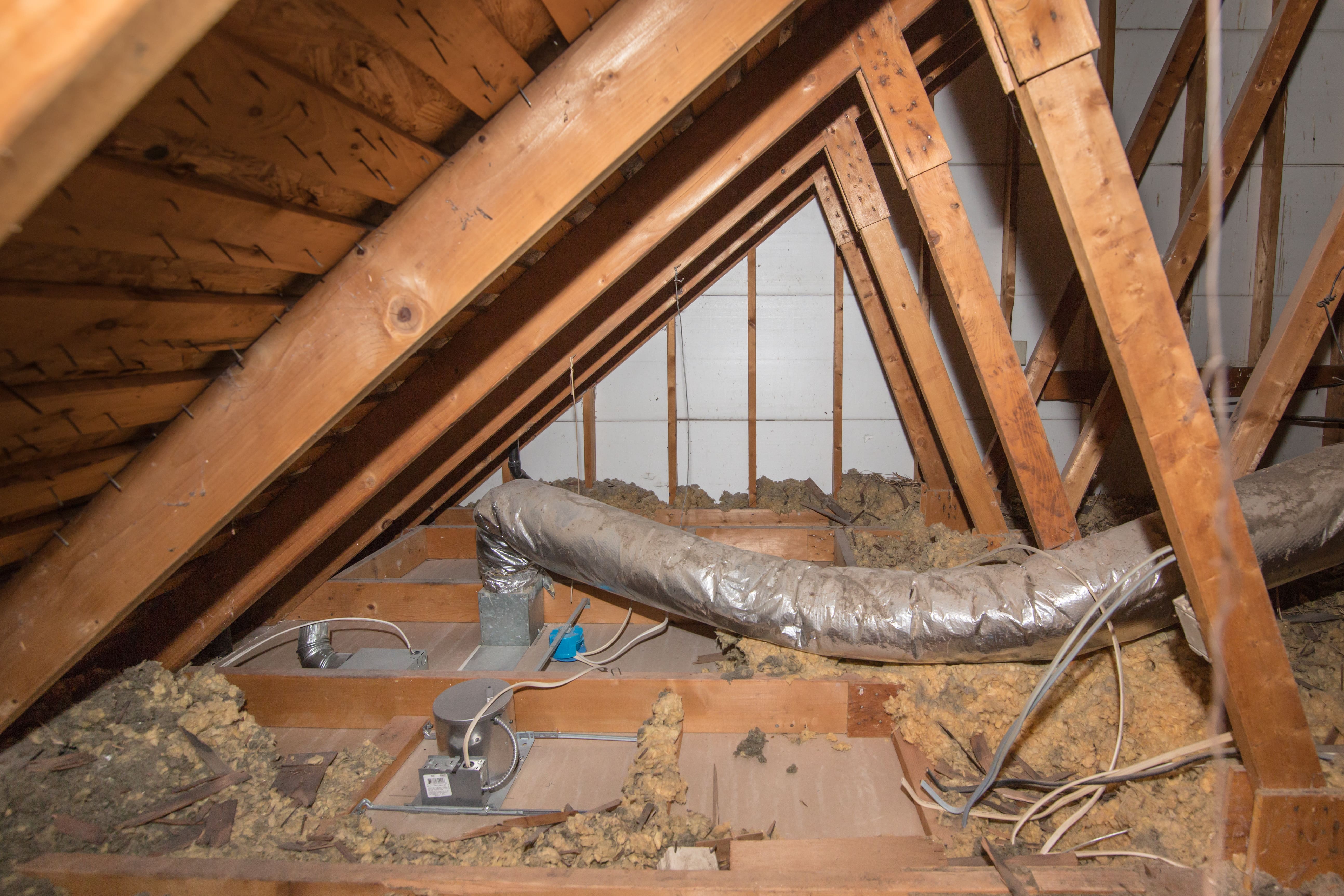
Loose-fill insulation can settle after installation, changing its depth in some areas. This is particularly relevant when evaluating older insulation because a thinner layer may provide less thermal resistance than originally intended. Uneven coverage can also develop when someone moves the material during repairs or other attic work. Bare patches around framing, corners, or access points may allow more heat transfer than areas with consistent coverage. Insulation depth provides a useful visual clue, but it should be assessed alongside the material type and its installation specifications. A settled layer does not always need removal; adding more may be appropriate if the existing material is clean, dry, and in good condition.
Compression and Attic Modifications
Insulation can lose some of its intended performance when compressed, depending on the product. Walking across the attic, storing items in unsuitable areas, or moving material to reach equipment can disturb its coverage. Electrical upgrades, plumbing repairs, and HVAC work may also leave sections of the attic floor exposed. After any modification, check whether the insulation was returned to its proper position and whether gaps remain around the affected areas.
Moisture Exposure
Attic moisture can affect insulation even when the material is relatively new. Roof leaks, plumbing problems, condensation, and humid air escaping from the living space can all introduce moisture under the right conditions. Damp or water-damaged material needs closer evaluation. Depending on the material and the extent of exposure, it may be possible to dry and retain it, or removal may be necessary. The source of moisture should be corrected before adding new insulation, or the same issue may affect the replacement.
Pests and Contamination
Rodents and other pests can disturb insulation, leave droppings, or damage nearby materials. In some cases, the affected material may need to be removed because of contamination. Look for droppings, nesting material, unusual odors, damaged sections, and signs of entry. If contamination is present, avoid disturbing the material unnecessarily. The appropriate cleanup and removal method depends on the type and extent of the problem.
 A 10-Year Attic Insulation Checklist
Use this checklist to spot areas that may need further inspection.
- Is the depth consistent? Look for areas where the material appears noticeably thinner or has settled.
- Are there bare patches? Check corners, edges, and places where repairs may have disturbed the coverage.
- Is the material dry? Look for damp areas, water stains, or signs of a roof or plumbing leak.
- Are there signs of pests? Check for droppings, nesting material, damaged insulation, and possible entry points.
- Are vents unobstructed? Make sure insulation has not blocked intended soffit vents or other required ventilation paths.
- Are ducts accessible? Check that important HVAC connections and service areas can still be reached.
- Are there obvious air leaks? Look for gaps around the attic hatch, ceiling penetrations, plumbing pipes, and electrical wiring.
A visual check can reveal obvious concerns, but it cannot confirm every aspect of insulation performance. An attic inspection can help determine whether the material is still suitable and whether air sealing, repairs, or additional coverage are needed.
 Why Florida Attics Need Extra Attention
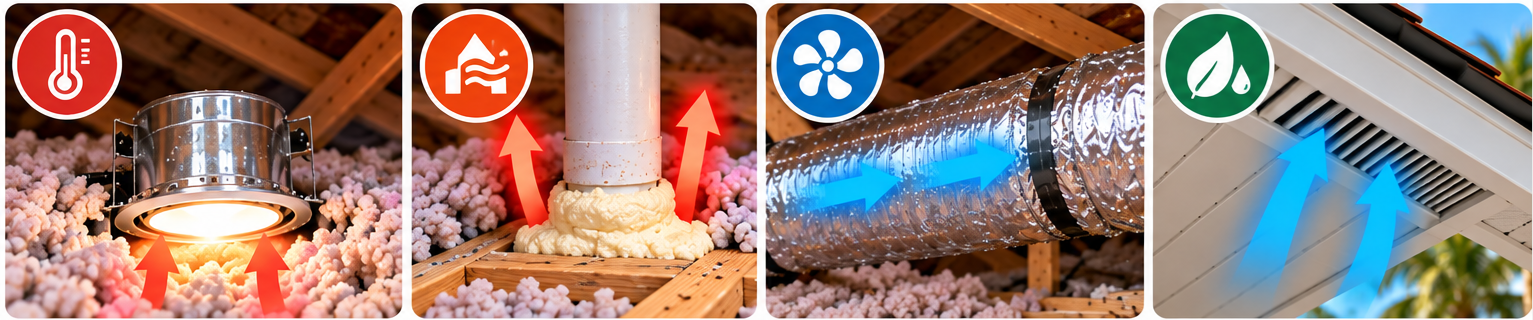
In Hollywood, heat and humidity make attic conditions worth checking regularly. Moisture can enter through roof leaks or condensation, while gaps between the living space and attic may allow humid air to move into areas where it can create problems. Air leaks can also affect comfort and energy efficiency. Even if the insulation looks thick enough, gaps around ceiling openings may allow conditioned air to escape. Sealing appropriate openings and maintaining the intended ventilation paths can help the attic system perform as designed. The goal is not simply to add more material. Insulation, air sealing, moisture control, and ventilation each serve a different purpose, and the condition of the entire attic should guide any upgrade.
 When Should You Add or Replace Old Insulation?
If the existing material is dry, clean, and reasonably well distributed, adding more insulation may be enough to improve coverage. An installer can compare the current depth with the product specifications and the home’s insulation needs. Insulation replacement may be appropriate when the material is extensively damaged, contaminated, or no longer suitable for reuse. Removal may also be needed when moisture exposure has caused problems that cannot be resolved by simply adding a new layer.
Other issues may not require insulation replacement at all. A roof leak needs a roofing repair, pest activity requires attention to the source, and damaged ducts need their own repairs. Addressing these problems first helps prevent new insulation from being exposed to the same conditions. The right decision depends on what the inspection reveals, not on whether the insulation has reached a particular age.

Give Your Attic a Quick Checkup
Ten-year-old insulation may still be doing its job, but it is worth checking for gaps, moisture, pest damage, and changes caused by attic work. Once you know what condition the material is in, you can make a more informed decision about adding blow-in insulation, replacing damaged material, or fixing another attic problem first.