How Much Does Attic Insulation Removal Cost in South Florida?
If you’re looking into attic insulation removal cost, the price depends on much more than the size of the attic. The type and condition of the insulation, how deep it is, how accessible the space is, and what happens to the material after removal can all affect the final bill. More importantly, not every attic needs a complete removal. In some cases, existing insulation can remain in place. In others, removing it is necessary before new insulation can be installed properly.
 What Determines Attic Insulation Removal Cost?
The cost to remove attic insulation is usually influenced by the amount of material being removed and the conditions workers have to deal with inside the attic.
|
Cost factor |
Why it affects the price |
|
Attic size |
Larger spaces usually contain more material and take longer to clear. |
|
Insulation depth |
A deeper layer means more material to extract, bag, and dispose of. |
|
Insulation type |
Different materials require different removal methods and equipment. |
|
Accessibility |
Tight entrances, low clearance, and difficult working conditions can increase labor time. |
|
Condition |
Damaged or heavily deteriorated insulation may require additional handling. |
|
Contamination |
Pest, moisture, or other contamination can change the removal process. |
|
Equipment |
Some materials require specialized equipment for efficient extraction. |
|
Disposal |
The amount and condition of material can affect disposal and cleanup requirements. |
 Blown-In vs. Fiberglass Insulation Removal
The type of material already in the attic matters because removal isn’t the same for every insulation system.
Blown-In Insulation Removal
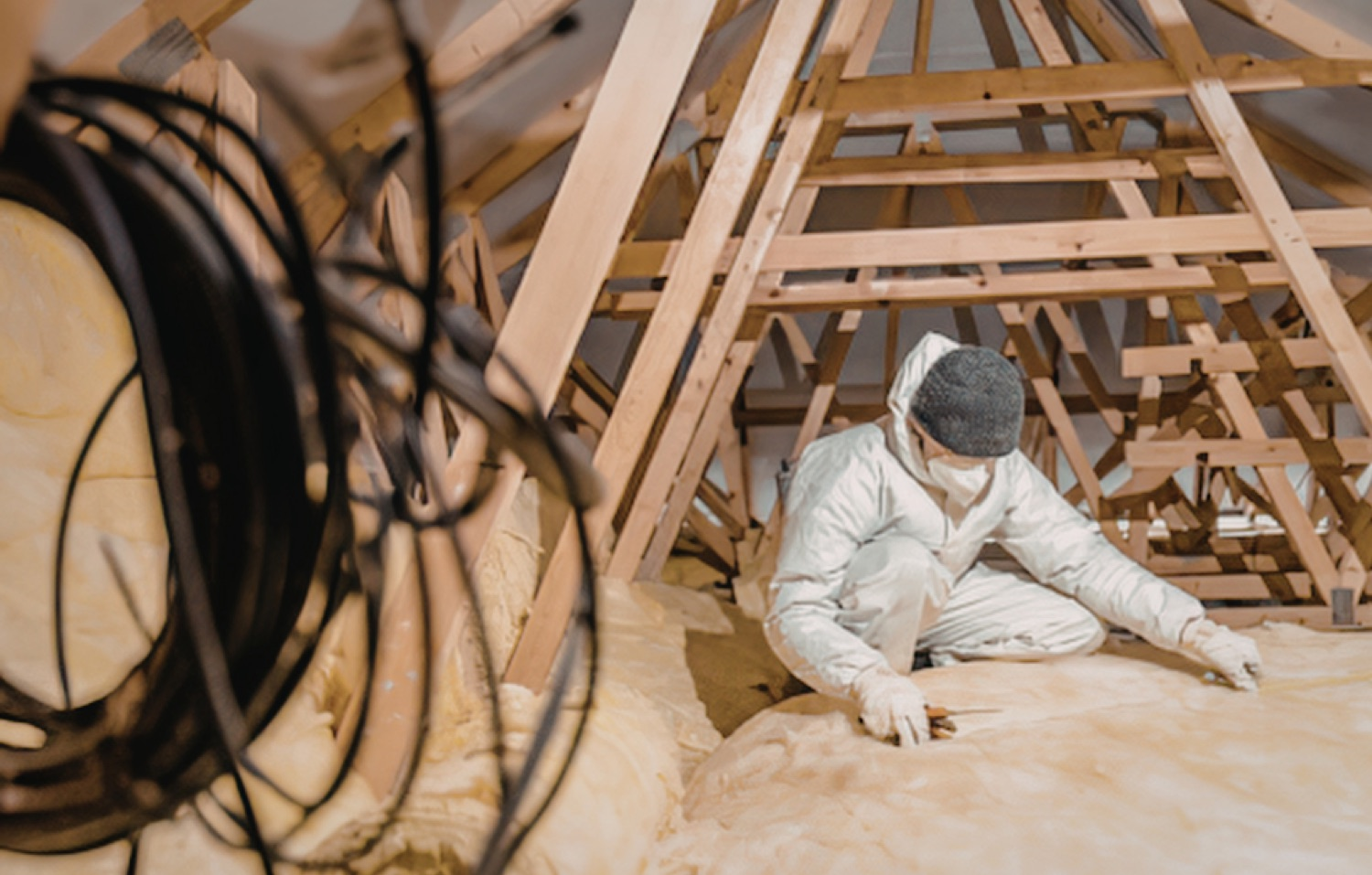
Blown-in insulation removal typically involves specialized vacuum equipment that extracts loose material from the attic. The insulation is then collected for disposal.
The amount of material can vary significantly depending on how thick the existing layer is. A large attic with several layers of loose insulation may require considerably more removal work than a smaller space with a shallow layer. Access also matters. If the equipment cannot be positioned easily or the attic has difficult entry points, the job may take longer.
Fiberglass Insulation Removal
Fiberglass insulation removal can involve rolls, batts, or loose material, depending on what was previously installed. The condition of the material makes a difference. Intact fiberglass that is still dry and in good condition may be handled differently from insulation that has been damaged, compressed, contaminated, or exposed to moisture. The key is to assess what is actually in the attic rather than assuming every older installation needs to be taken out.
 Does All Old Attic Insulation Need to Be Removed?
No. Old attic insulation does not automatically have to be removed just because it is old.
If the existing material is dry, reasonably clean, undamaged, and suitable for the planned insulation system, adding new material may be possible.
Removal becomes more relevant when the insulation has been affected by conditions that can interfere with the new installation or create other concerns.
These can include:
- Pest contamination
- Moisture damage
- Contaminated insulation
- Damaged insulation
- Heavy deterioration
- Excessive accumulation
- Material that has become compressed or displaced
- Conditions that prevent proper installation of the new system
In other words, the question isn’t simply, “How old is the insulation?” It’s whether the material is still suitable for the attic and the work being planned.
 When Pest Contamination Changes the Job
Pests can create a different removal situation.
Droppings, nesting material, urine, and other debris can leave insulation in poor condition. Pest contamination may be one reason a homeowner is advised to remove existing material instead of simply covering it with a new layer. The extent of contamination matters. A small affected area and an attic with widespread contamination are not the same project. If pests have been present, the attic may also need attic cleaning after the insulation is removed.
 What About Moisture and Mold Concerns?
Moisture can affect insulation in several ways. It can cause certain materials to deteriorate, become compressed, or lose their usefulness. Homeowners may also have mold concerns when an attic has experienced leaks, condensation, or prolonged moisture exposure.
That doesn’t mean every dark spot or old insulation layer requires complete removal. The source and extent of the moisture issue should be evaluated first. If wet or contaminated material is present, removing it may be part of correcting the problem. But replacing insulation without addressing the underlying moisture source can leave the same issue waiting underneath the new installation.
 Removal Isn’t the Same as Cleanup
It’s also worth asking what a removal quote actually includes.
Insulation disposal is one part of the job. Depending on the condition of the attic, the scope may also include vacuuming remaining debris, removing loose material from difficult areas, and general attic cleaning. If a quote only covers extracting the insulation, make sure you understand whether cleanup and disposal are included separately. This can explain why two removal quotes may look different even when the attic appears similar on paper.
 When Insulation Replacement Makes Sense
Once existing material has been removed, homeowners may choose insulation replacement based on the condition of the attic and the goals of the project. But replacement shouldn’t automatically follow removal. First, the attic should be checked for the reason the old insulation became unsuitable. If there was moisture damage, for example, the source should be addressed before new material goes in. If pests caused contamination, that issue should also be dealt with. Otherwise, the new insulation could end up facing the same problem.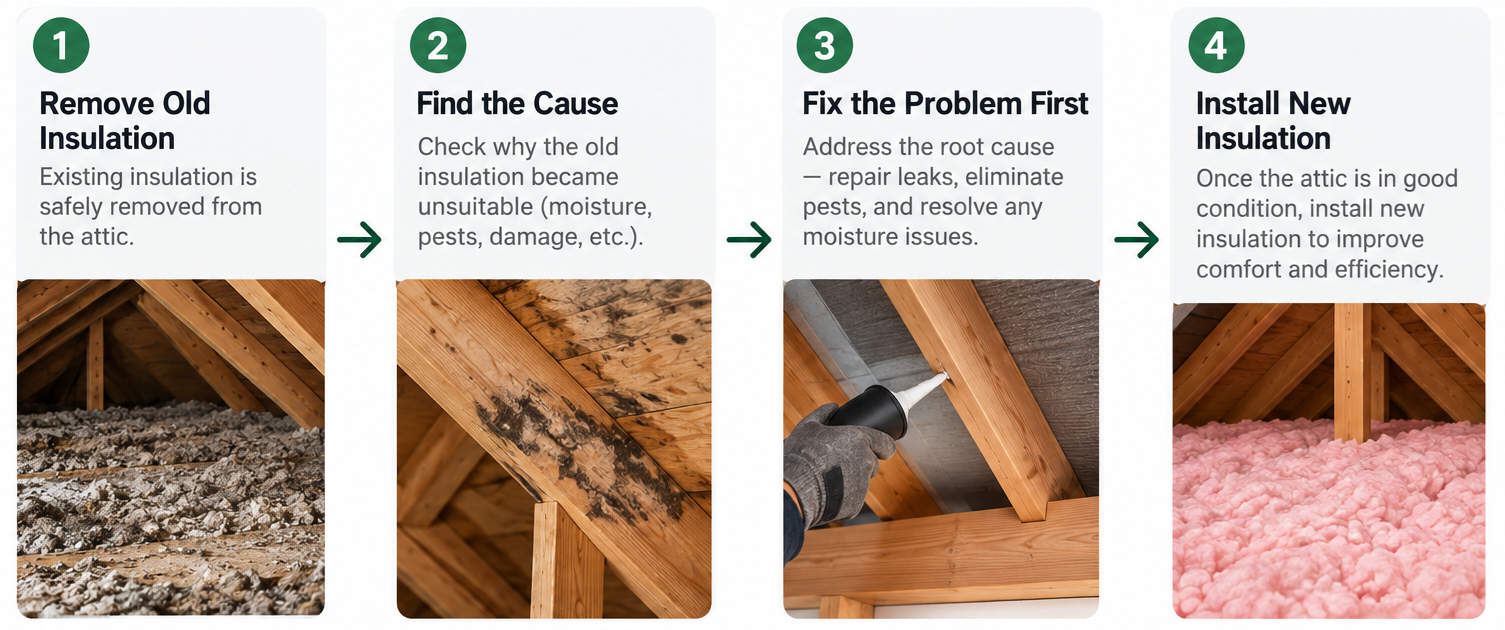
 Start With an Attic Inspection
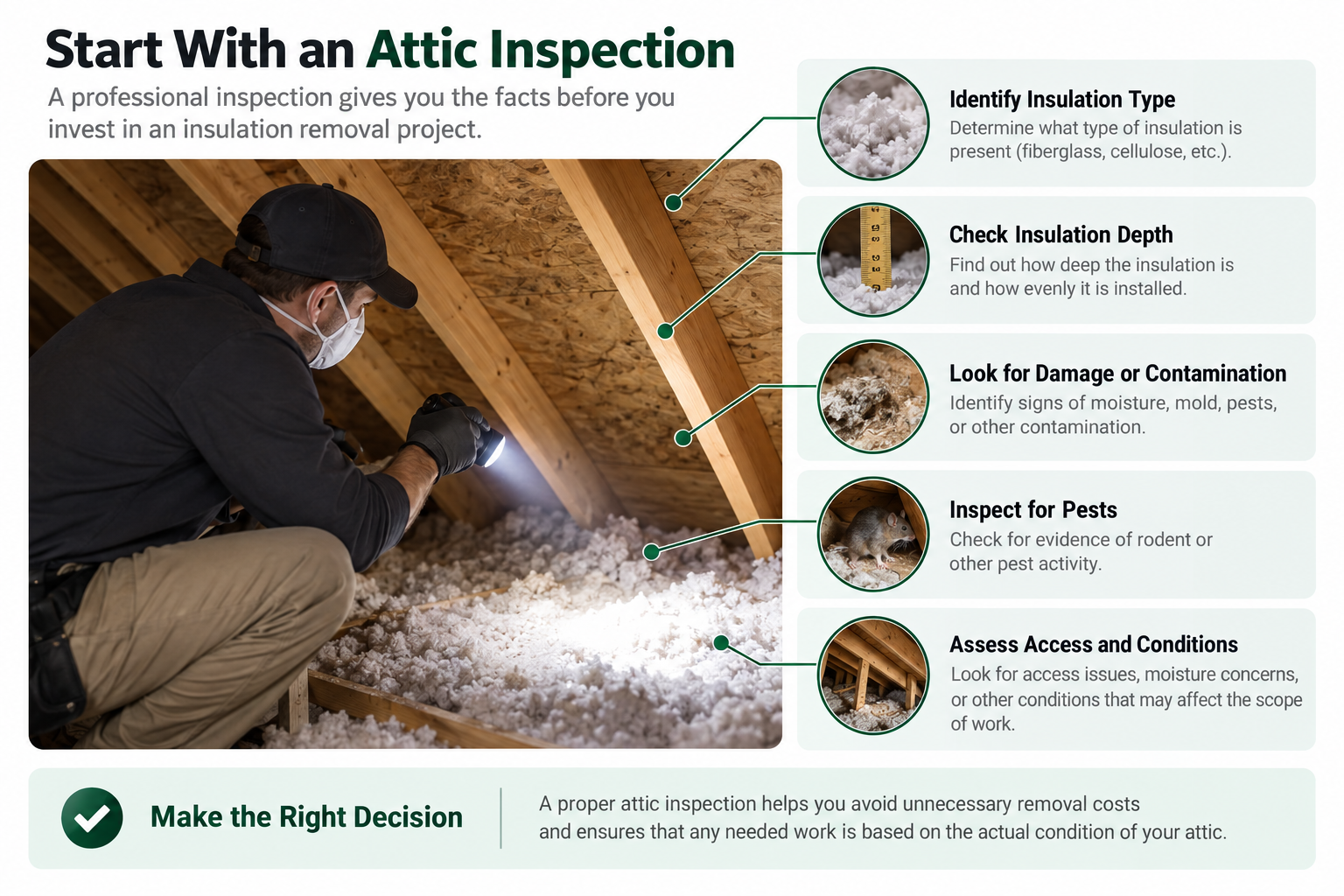
Before paying for a large removal project, have the attic evaluated.
An attic inspection can help determine what type of insulation is present, how deep it is, whether it is damaged or contaminated, and whether complete removal is actually necessary. It can also reveal access issues, moisture concerns, pest activity, or other conditions that could affect the scope of work. This matters because removing insulation that could have safely remained in place adds unnecessary labor and disposal costs. On the other hand, leaving severely damaged or contaminated material in place simply to avoid the removal cost may create problems during the next stage of the project. A proper evaluation helps you make that decision based on the actual condition of the attic.
Get the Attic Evaluated Before Paying for Removal
The right question isn’t simply how much removal costs. It’s whether your attic actually needs it.
Attic Fanatics USA can assess existing insulation conditions in South Florida and help determine whether removal, cleanup, replacement, or another approach makes sense for the space. Getting the attic evaluated first can help you avoid paying for work that isn’t necessary while making sure serious insulation problems aren’t simply covered up.