Can Blown-In Insulation Be Installed Around Attic Wiring?
Blown-in insulation is designed to improve your home’s energy efficiency by reducing heat transfer through the attic. Before installation begins, however, the attic should be evaluated to ensure insulation can be installed properly around electrical components and other fixtures.
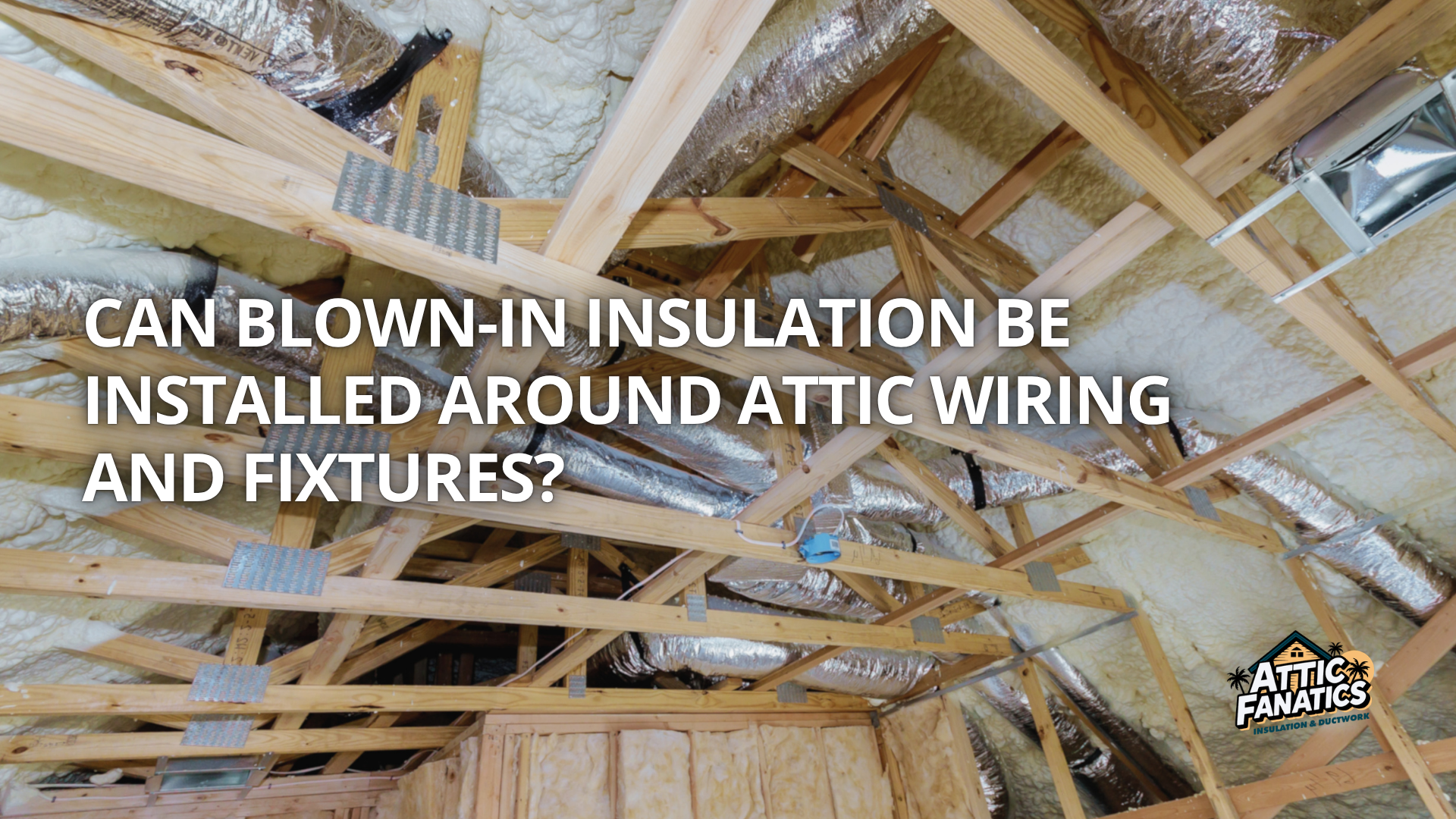
Attics often contain electrical wiring, junction boxes, recessed lighting, and HVAC equipment. While these features are common, they require careful planning during the installation process. A professional attic inspection helps identify existing conditions so insulation can be installed without interfering with accessibility or applicable safety requirements.
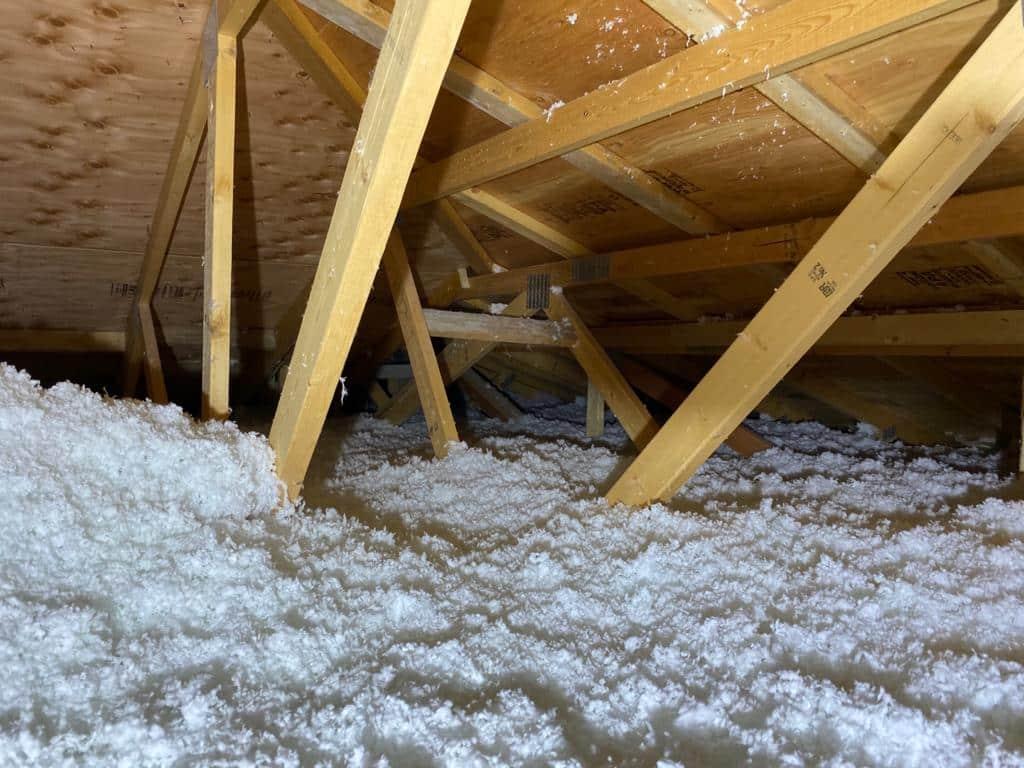
Blown-in insulation around attic wiring
Many homeowners wonder whether electrical wiring can simply be covered with insulation. In many cases, insulation can be installed around standard attic wiring when the wiring is in good condition and there are no visible concerns. However, every attic is different, which is why the area should always be evaluated before installation begins.
Rather than treating every attic the same, insulation professionals inspect visible wiring and surrounding components as part of the preparation process. If any damaged or questionable electrical conditions are observed, homeowners may be advised to have those issues evaluated before insulation work continues.
The goal is to create consistent insulation coverage while accounting for the attic’s existing features.
Can insulation cover electrical wires in attic?
Electrical wiring is only one part of what may be present in an attic. Junction boxes, light fixtures, exhaust fans, ductwork, and other components also influence how insulation is installed.
During an attic evaluation, professionals typically look for:
 Visible wiring conditions
 Junction boxes that should remain accessible
 Recessed lighting and nearby clearances
 Areas requiring unobstructed access
 Existing insulation that may affect installation
This evaluation helps determine the best approach for achieving even insulation coverage without unnecessarily covering components that may require future visibility or access.
Attic insulation around light fixtures
Light fixtures require special attention during an insulation project, especially those installed directly in the ceiling below the attic. Because fixture designs vary, each area should be evaluated before new insulation is added.
Some fixtures are designed for direct contact with insulation, while others require specific clearances. Because fixture types vary, installers identify these areas before adding insulation rather than applying the same approach throughout the attic.
Professional planning helps prevent installation issues while allowing the insulation system to perform effectively.
Attic Component | Why It’s Evaluated Before Installation |
Electrical wiring | Confirms visible wiring is suitable for installation planning |
Junction boxes | Helps maintain future accessibility |
Recessed lighting | Allows proper planning around fixture requirements |
Attic access | Preserves entry for future inspections and maintenance |
Existing insulation | Determines whether removal or additional insulation is appropriate |
Why Every Attic Requires a Different Approach
Blown-in insulation performs best when it’s installed over an attic that’s ready for the upgrade. Covering damaged insulation, moisture problems, or electrical concerns without addressing them first can make future inspections more difficult and reduce the overall effectiveness of the project.
A thorough evaluation helps uncover issues that aren’t always visible from inside the home. Once those concerns have been addressed, new insulation can be installed with confidence, providing more consistent coverage and helping improve year-round comfort.
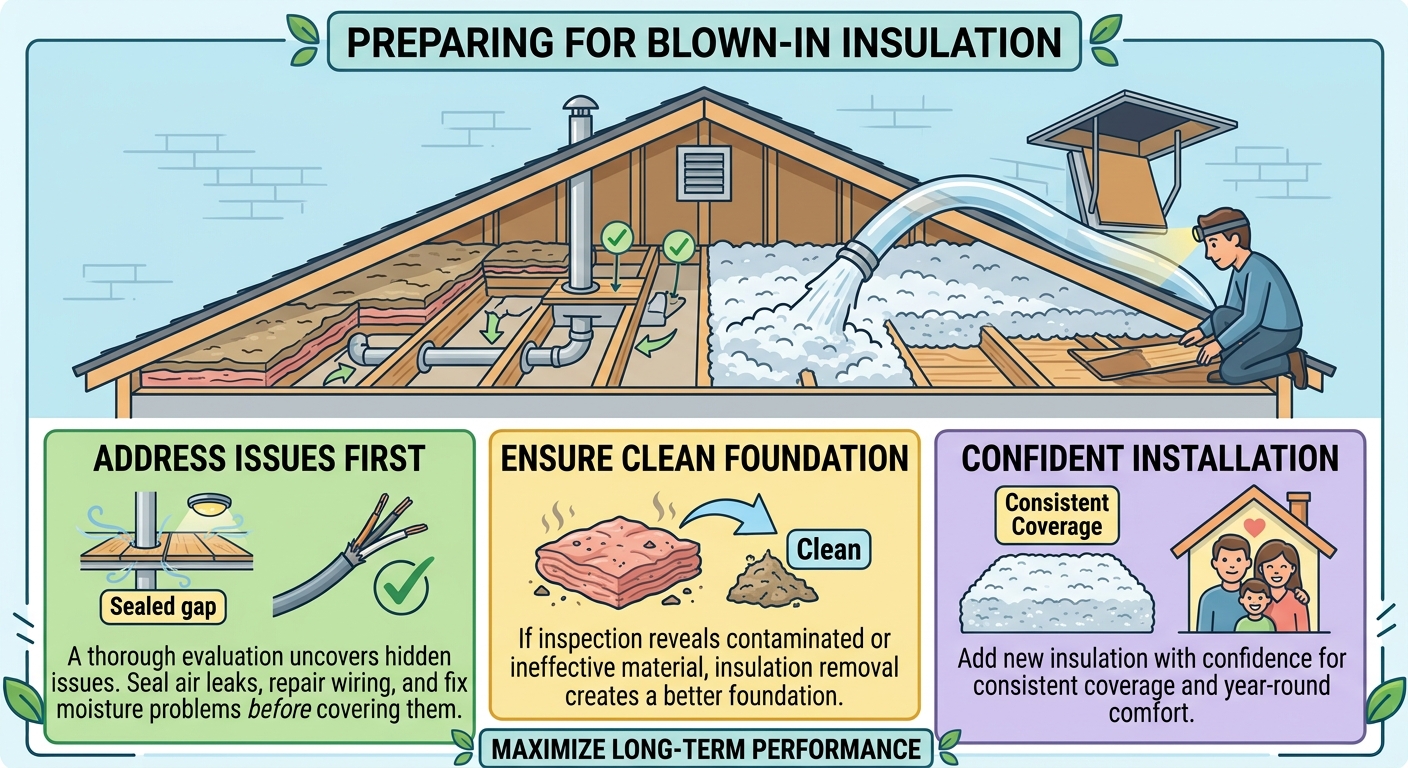
If the inspection reveals insulation that has been contaminated or no longer performs effectively, insulation removal may be recommended before installing blown-in insulation. Taking care of these issues first creates a better foundation for the new material and helps maximize its long-term performance.
Trust professionals to plan around attic components
Every attic has its own layout, and no two insulation projects are exactly alike. That’s why a careful inspection is an important part of every installation. Evaluating electrical components, fixtures, and other attic features beforehand helps ensure the insulation is installed correctly while supporting future accessibility where needed.
At Attic Fanatics, every project begins with a thorough attic evaluation. The team assesses the condition of the attic, identifies areas that require attention, and develops an installation plan tailored to your home’s layout.
If you’re considering blown-in insulation, contact Attic Fanatics to schedule an attic inspection and learn how a professionally planned installation can improve your home’s comfort and energy efficiency.