What Should Be Checked Before Adding Blown-In Insulation?
Adding blown-in insulation is one of the most effective ways to improve your home’s energy efficiency and indoor comfort. However, simply installing new insulation without evaluating the attic first can lead to missed problems that affect its long-term performance.
A thorough attic inspection helps identify issues that should be addressed before new insulation is installed. Problems such as moisture damage, air leaks, damaged insulation, or ventilation concerns can reduce the effectiveness of the upgrade if they are left unresolved. Taking the time to prepare the attic properly helps ensure that your insulation investment delivers lasting results.
Attic inspection before blown-in insulation
Before installing new insulation, professionals should evaluate the overall condition of the attic. The goal is not only to determine whether additional insulation is needed but also to identify anything that could impact its performance.
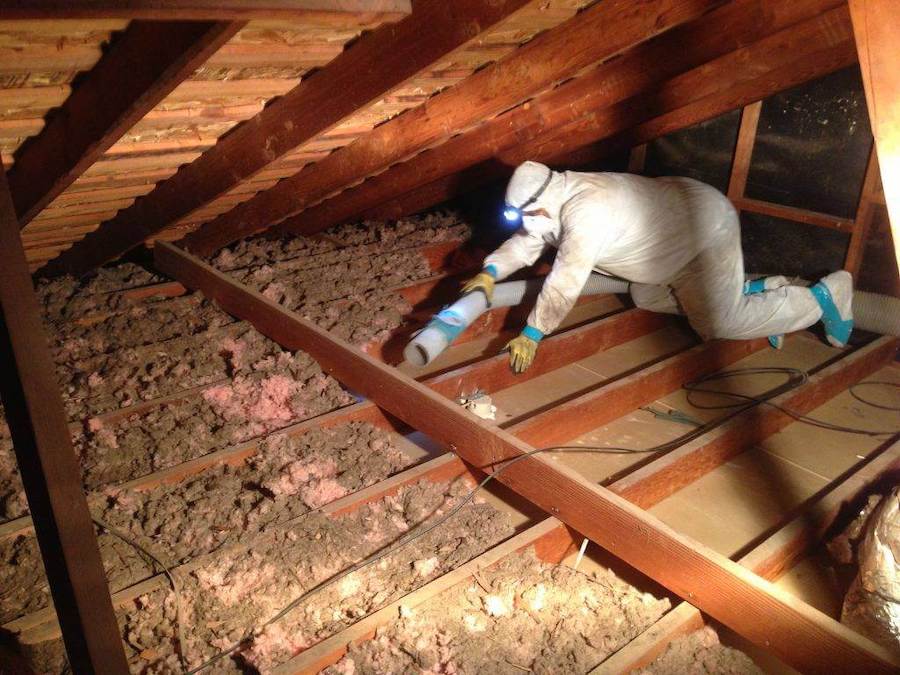
A complete inspection typically includes:
 The condition of the existing insulation
 Signs of moisture or water intrusion
 Air leaks around ceiling openings
 Ventilation throughout the attic
 Visible electrical wiring
 Safe and accessible attic entry
 Evidence of contamination from pests or damaged insulation
Identifying these issues beforehand allows necessary repairs or improvements to be completed before new insulation covers the attic floor.
What to check before adding attic insulation
Every attic is different, but several areas deserve close attention before installation begins.
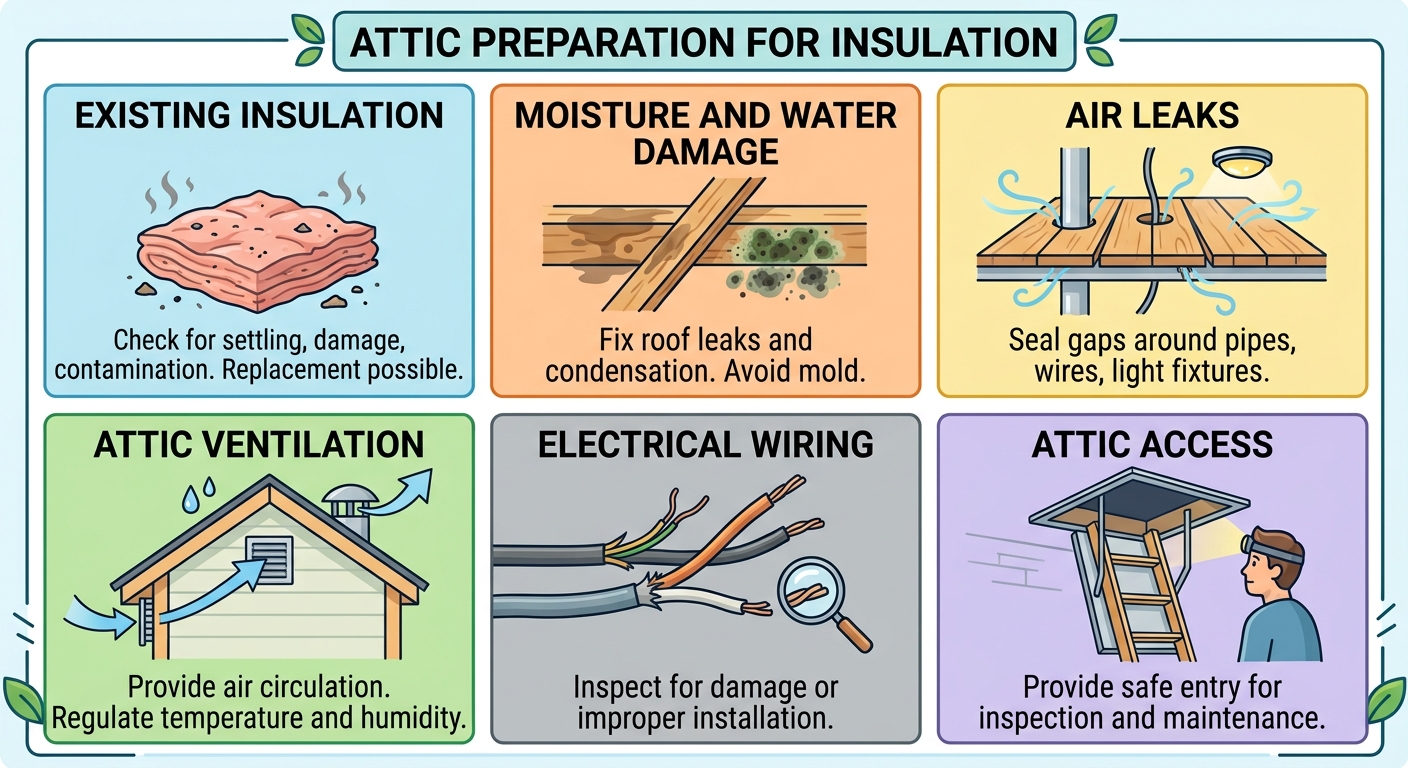
- Existing insulation – Older insulation may have settled, become compressed, or lost its insulating value over time. In some cases, it may also contain debris, odors, or contamination that makes replacement a better option than simply adding another layer.
- Moisture and water damage – Moisture problems should always be resolved before installing new insulation. Roof leaks, condensation, or excess humidity can damage insulation materials and create conditions that encourage mold growth. Adding insulation over wet materials only hides the issue instead of solving it.
- Air leaks – Small gaps around plumbing pipes, electrical penetrations, recessed lighting, and attic hatches can allow cooled indoor air to escape while pulling warm outdoor air inside. Sealing these openings before installation helps improve overall efficiency and allows the insulation to perform as intended.
- Attic ventilation – Proper airflow is an important part of a healthy attic. Ventilation helps regulate temperature and moisture levels, reducing the risk of excessive heat buildup and condensation. If ventilation issues exist, they should be corrected before insulation is added.
- Electrical wiring – Visible electrical wiring should be inspected for signs of damage or improper installation. While insulation can safely surround many types of wiring, exposed or deteriorated electrical components should be evaluated before they are covered.
- Attic access – Safe attic access makes installation easier and allows technicians to complete a thorough inspection. It also provides a way to monitor the attic in the future if maintenance or repairs become necessary.
Preparing an attic for blown-in insulation
Proper preparation helps prevent existing problems from becoming hidden beneath a new layer of insulation.
Inspection Area | Why It Matters |
Existing insulation | Determines whether additional insulation or removal is recommended |
Moisture | Prevents damage, mold, and reduced insulation performance |
Air leaks | Reduces energy loss and improves overall efficiency |
Ventilation | Helps control attic temperatures and moisture levels |
Electrical components | Identifies safety concerns before installation |
Attic access | Supports safe installation and future inspections |
If the inspection reveals damaged, contaminated, or ineffective insulation, professional insulation removal may be the best first step. Starting with a clean attic allows underlying issues to be addressed before new insulation is installed.
Once the attic has been properly prepared, new blown-in insulation can be installed to improve comfort and reduce unnecessary heat transfer.
Why preparation makes a difference
Installing insulation without first evaluating the attic can conceal existing problems and reduce the effectiveness of the upgrade. Moisture damage, hidden air leaks, poor ventilation, or deteriorated insulation may continue affecting your home’s performance even after new material has been added.
At Attic Fanatics, every insulation project begins with a thorough attic evaluation. The team assesses the condition of the attic, identifies areas that need attention, and recommends the right solution before installation begins.
If you’re planning to upgrade your attic insulation, start with a professional inspection. Contact Attic Fanatics today to schedule an attic evaluation and make sure your home is ready for a successful insulation upgrade.