Why Is My Home Still Expensive to Cool After a New AC?
Replacing an air conditioner is a major investment, so it can be frustrating when monthly cooling costs barely change. Many homeowners expect a new system to solve high energy bills, only to discover that the house still feels warm and the AC continues running for long periods.
The reason is simple: an efficient air conditioner can only perform as well as the home allows. If heat continues entering through the attic or conditioned air escapes through hidden gaps, the new equipment must work much harder than necessary to maintain a comfortable temperature.
Why Is My House Expensive to Cool?
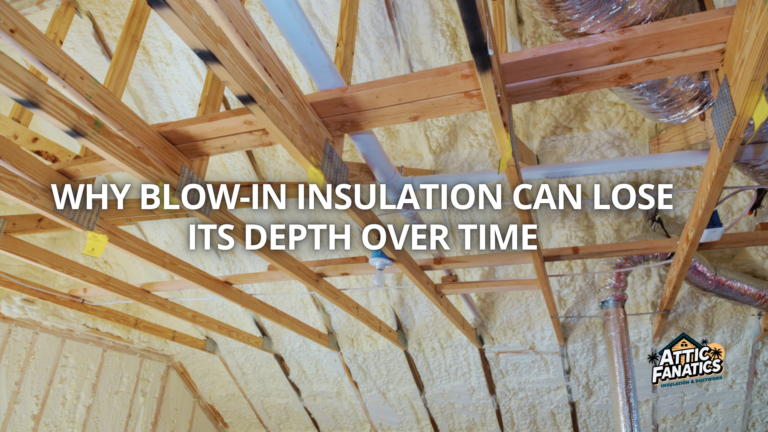
Many homeowners searching why is my house expensive to cool focus entirely on the air conditioner, but the real issue often lies in the home’s thermal envelope. This includes the insulation, air sealing, and structural barriers that separate indoor living spaces from outdoor temperatures. Even a high-efficiency HVAC system cannot compensate for excessive heat gain or significant air leakage.
Common Reasons Cooling Costs Stay High
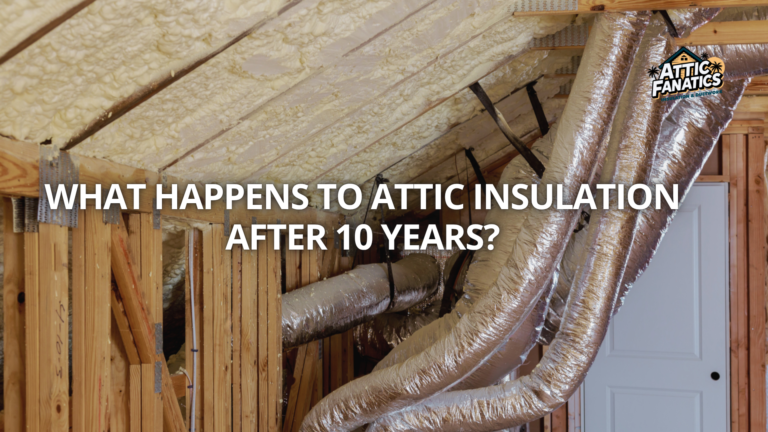
- Poor Attic Insulation – The attic is one of the largest sources of heat entering a home. When insulation is old, compressed, or installed unevenly, it allows heat to transfer more easily into the living space. As indoor temperatures rise, the AC runs longer to remove that extra heat, increasing overall energy consumption. If existing insulation no longer performs effectively, upgrading with modern blow-in insulation can significantly improve thermal performance. Learn more here:
- Hidden Air Leaks – Small openings around recessed lighting, attic access doors, plumbing penetrations, and electrical wiring allow conditioned air to escape while drawing hot outdoor air inside. These leaks often go unnoticed because they are hidden above ceilings, yet they can have a measurable impact on cooling efficiency.
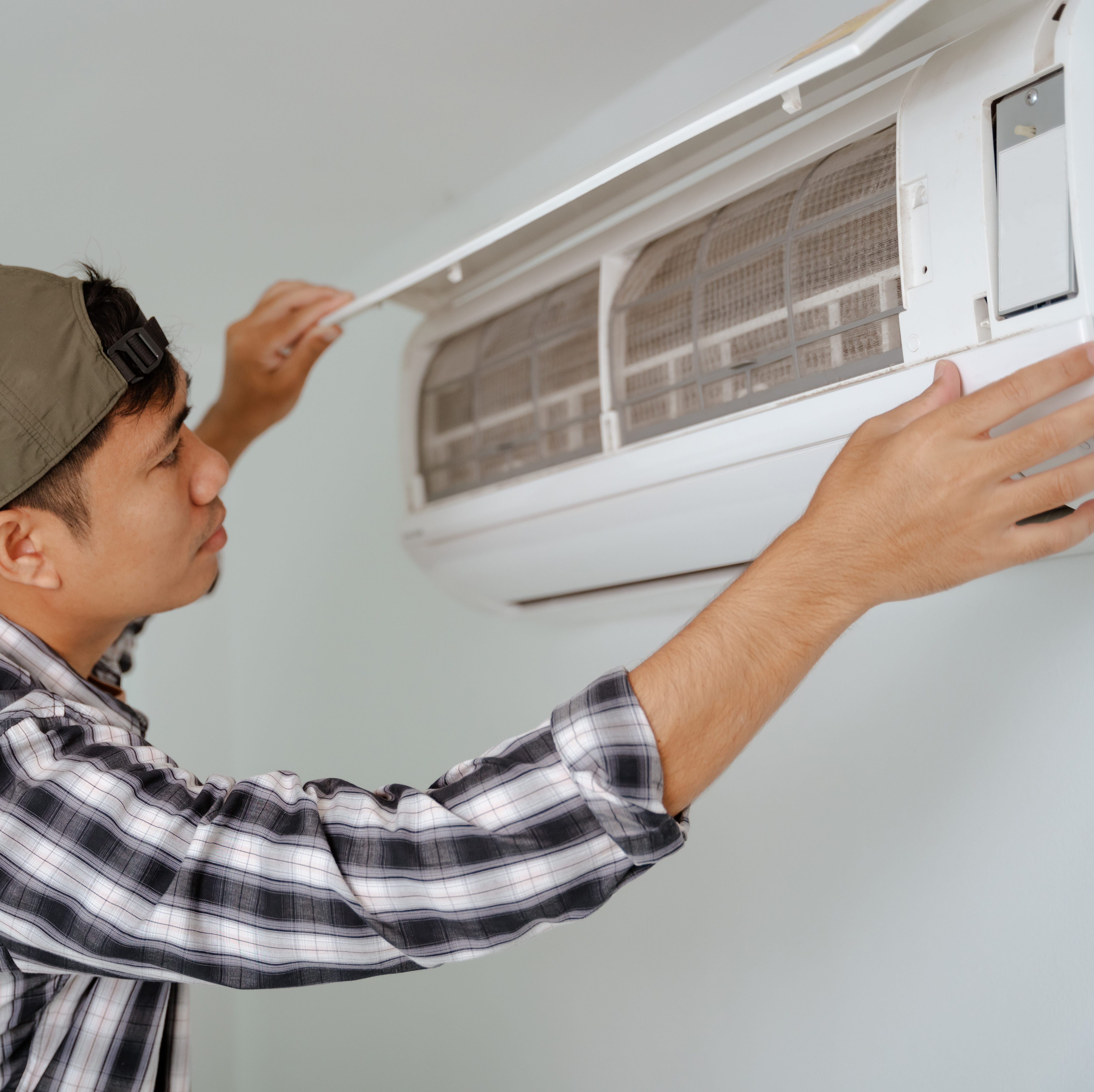
- Duct Problems – Leaky or poorly insulated ducts can lose cooled air before it reaches the living areas. Instead of delivering conditioned air into the home, portions of it escape into unconditioned spaces. This forces the HVAC system to operate longer to compensate for the lost air.
Why Energy Costs Stay High Even With a New AC
Searching new AC but electric bill still high is common because many homeowners expect equipment replacement alone to reduce monthly expenses.
The reality is that an air conditioner cools the home; it does not stop heat from entering. If insulation deficiencies and hidden gaps remain unchanged, the new system simply works harder to overcome the same existing problems. Replacing HVAC equipment improves system performance, but it does not repair the home’s thermal envelope.
How Attic Insulation and Cooling Costs Are Connected
The relationship between attic insulation and cooling costs is often underestimated. Proper insulation slows heat transfer, helping indoor temperatures remain stable throughout the day.
When this protective barrier is compromised, several problems can occur:
- 🥵 Higher cooling demand during hot weather
- ⏱️ Longer HVAC operating cycles
- 🌡️ Uneven temperatures between rooms
- 💸 Increased monthly utility costs
- 🏠 Reduced overall home comfort
Improving insulation allows the cooling system to maintain desired temperatures with less effort.
Home Condition | Impact on Cooling Costs |
Worn or compressed insulation | Increased heat entering the home |
Air leaks around ceilings | Conditioned air escapes outdoors |
Leaky ductwork | Reduced cooling delivered to living spaces |
Proper insulation and sealing | Improved efficiency and lower energy loss |
Why the Attic Should Be Evaluated
A new air conditioner addresses mechanical performance, but it cannot correct insulation deficiencies or hidden structural issues. An attic inspection helps identify problems that continue increasing cooling demand after HVAC replacement.
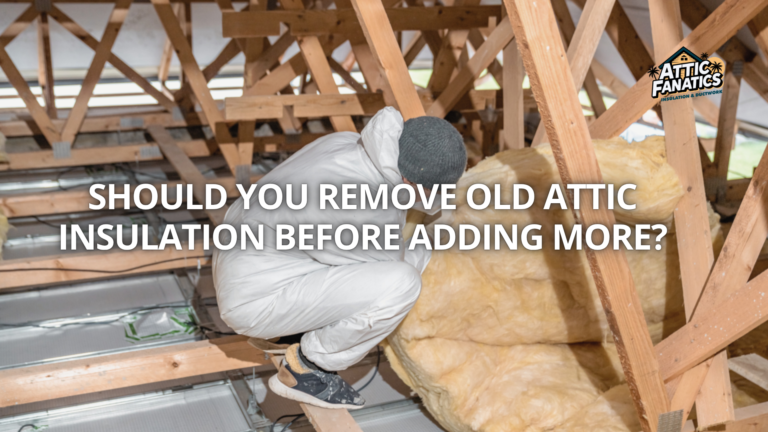
Professionals evaluate insulation condition, locate air leaks, inspect duct connections, and identify areas where excess heat enters the home. This creates a more complete picture of why cooling costs remain elevated. If damaged or contaminated insulation is found during the inspection, professional insulation removal may be recommended before installing new materials. Learn more about that process here:
How Attic Fanatics Improves Home Performance
Attic Fanatics evaluates the entire attic system rather than focusing on insulation alone. Their inspections identify heat transfer issues, air leakage, deteriorated insulation, and other conditions that reduce overall energy efficiency.
By improving the home’s thermal envelope, homeowners can help their HVAC system operate more efficiently while improving indoor comfort and reducing unnecessary energy loss. If you’ve installed a new AC but your cooling costs remain high, scheduling an attic evaluation can help identify what’s limiting your system’s performance.