Why Does My Home Get Dusty Again After Cleaning?
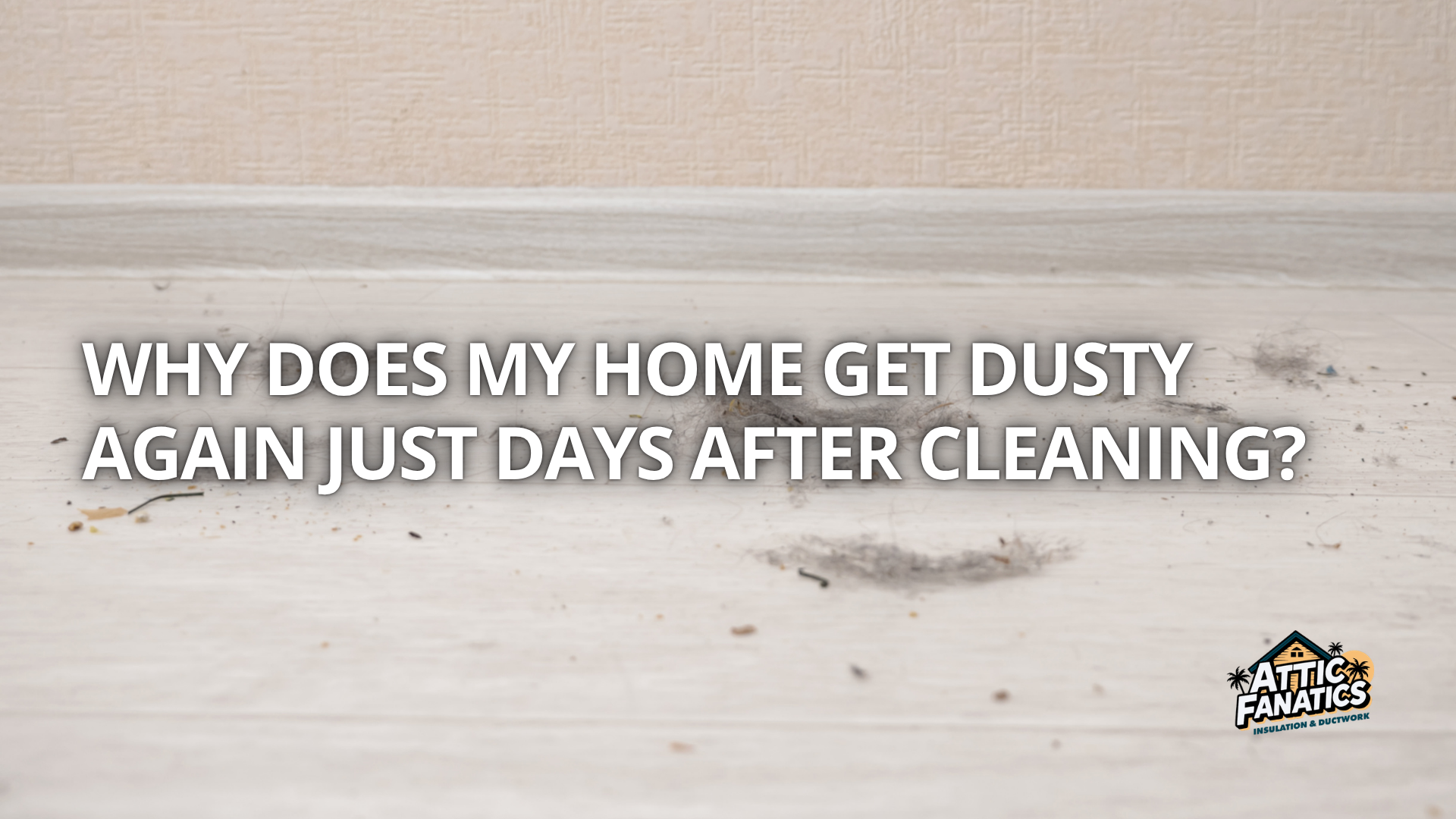
Cleaning your home should leave it feeling fresh for more than a day or two. If dust settles back onto furniture almost immediately, the problem may not be your cleaning routine at all. In many homes, recurring dust is a sign that contaminants are entering the living space from hidden areas above the ceiling or inside the HVAC system.
While everyday activities generate some dust, excessive buildup often points to underlying issues that deserve attention. Identifying the source is the first step toward improving indoor comfort and maintaining better air quality.
Why Does My House Get Dusty So Fast?
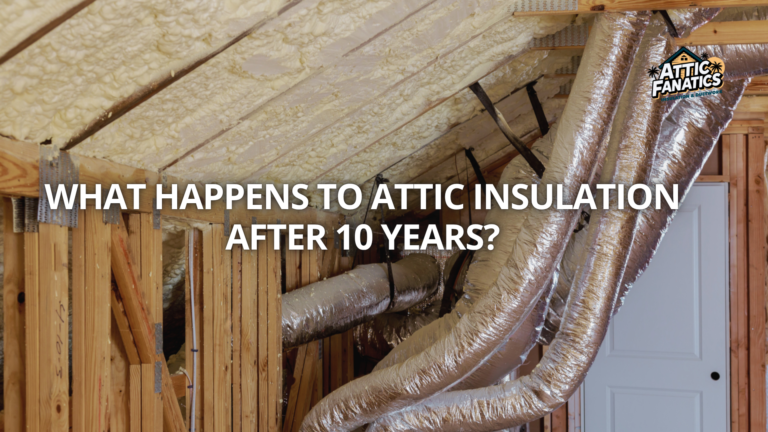
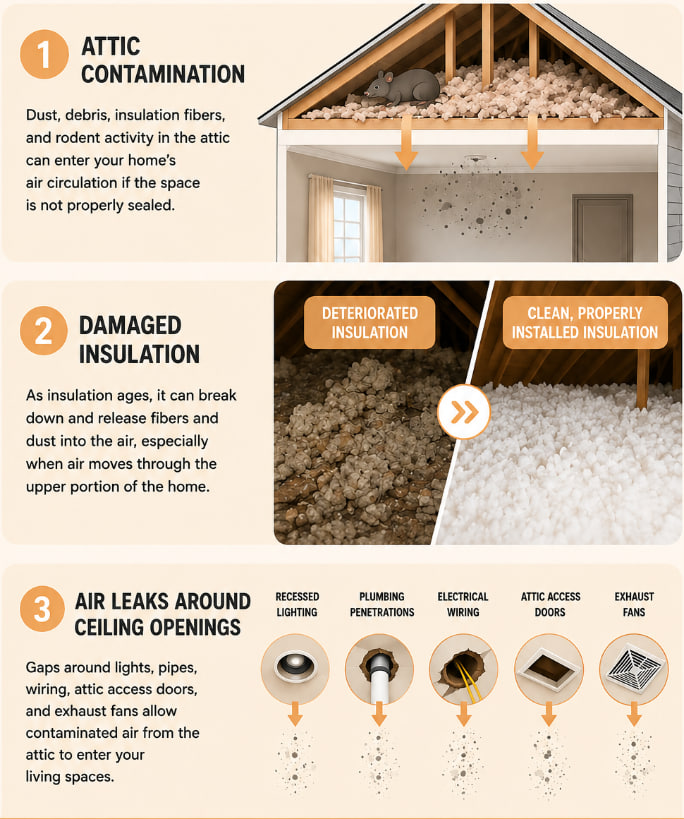
Many homeowners searching why does my house get dusty so fast are surprised to learn that the attic can play a significant role. Over time, insulation breaks down, small gaps develop around ceiling fixtures, and contaminants accumulate in rarely visited spaces.
When the HVAC system runs, tiny airborne particles can move through these openings and circulate throughout the house. As a result, freshly cleaned surfaces become dusty again much sooner than expected.
Hidden Sources of Dust You May Not Notice
How Air Ducts Affect Indoor Air
Dirty HVAC components can distribute fine particles throughout the home every time the heating or cooling system operates.
- Air Ducts and Airborne Particles – Dust, insulation fibers, and debris may collect inside ductwork over the years. Once airflow begins, these particles can circulate from room to room, settling on floors, furniture, and countertops. Homeowners dealing with dust keeps coming back after cleaning often discover that duct contamination is only one part of a larger attic-related issue.
- Air Leaks Within the HVAC System – Leaks around ducts can draw contaminants from surrounding spaces before distributing them through the home. This reduces system efficiency while introducing unwanted particles into indoor air. Addressing leaks and evaluating surrounding insulation can improve both cleanliness and HVAC performance.
Warning Signs Your Attic May Be Contributing to Dust
Recurring dust is rarely the only symptom of an attic problem. Other signs often appear at the same time.
- 🧹 Dust returns within a few days after cleaning.
- 🪟 Rooms feel dusty even when windows remain closed.
- 🤧 Family members notice increased allergy or respiratory irritation.
- 👃 Musty odors appear near ceiling vents or attic access points.
- 💸 Utility costs continue rising despite normal HVAC use.
When several of these signs occur together, a professional inspection may be worthwhile.
How Attic Dust Affects Indoor Air
Many homeowners researching attic dust affecting indoor air focus only on visible dust, but the issue often extends beyond what settles on furniture.
Fine airborne particles can circulate continuously through the home, affecting overall indoor air quality. Combined with deteriorating insulation and hidden air leaks, these contaminants may continue entering living spaces until the underlying source is addressed.
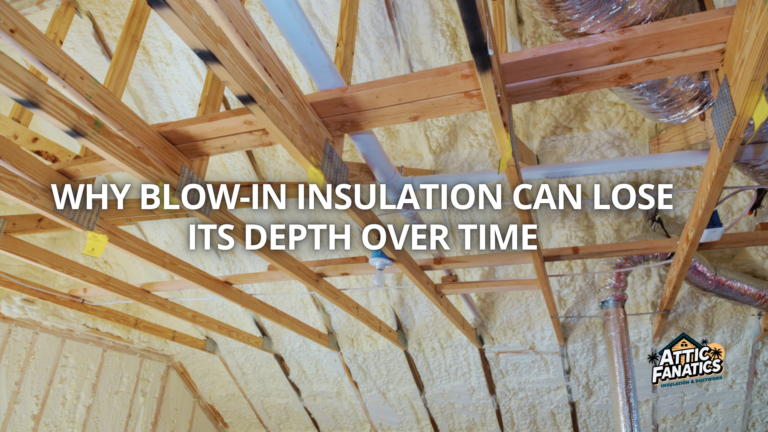
If existing insulation has become contaminated or no longer performs effectively, upgrading with modern blow-in insulation can help restore energy efficiency while reducing future contamination risks.
Learn more about this service here:
Possible Source | Potential Impact |
Damaged insulation | Fibers and dust entering living spaces |
Attic contamination | Increased airborne particles and debris |
Ceiling air leaks | Dust transfer from upper areas into rooms |
Dirty air ducts | Continuous circulation of dust throughout the home |
Aging insulation | Reduced efficiency and declining indoor comfort |
Professional Attic Inspection and Cleaning
Finding the source of recurring dust requires more than a surface inspection. Professionals evaluate insulation condition, identify hidden air leaks, inspect duct connections, and assess contamination levels throughout the attic.
Attic Fanatics provides comprehensive inspections to determine whether attic contamination, deteriorated insulation, or HVAC-related issues are contributing to excessive household dust. Their recommendations are based on the actual condition of the home, helping homeowners address the source instead of repeatedly cleaning the symptoms.
If recurring dust has become an ongoing problem, scheduling a professional evaluation is the best way to identify the cause and determine the right solution.