Is Your Attic Making Your HVAC Work Harder?
Your HVAC system may not be the real reason your home struggles to stay comfortable. Sometimes, the problem starts above the ceiling, where hidden heat transfer, air leaks, and poor temperature control force the system to run longer than necessary. When the upper areas of a home are not properly managed, heating and cooling equipment works harder to maintain the temperature set on the thermostat. Over time, this extra strain can increase energy use, reduce comfort, and shorten equipment lifespan.
How Attic Insulation Supports HVAC Performance
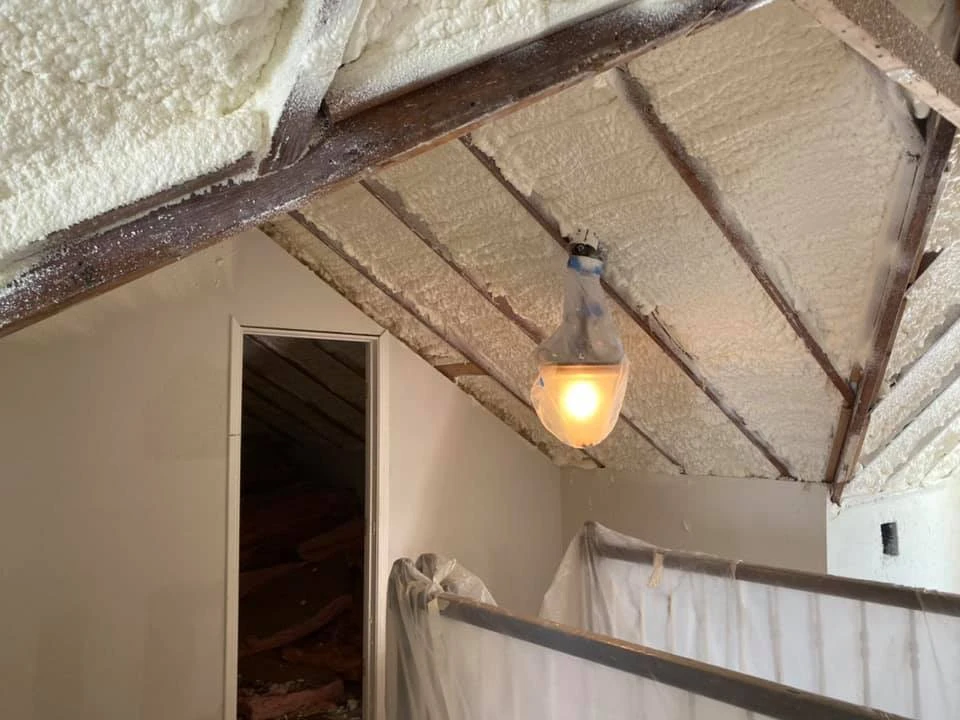
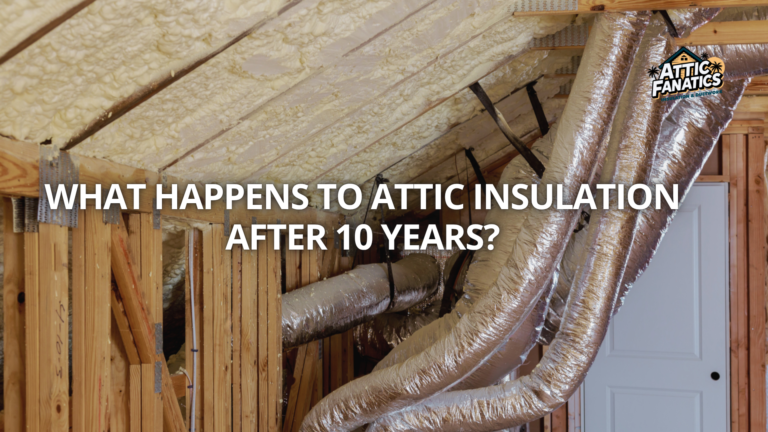
Proper attic insulation creates a protective barrier that slows unwanted heat movement between indoor and outdoor spaces. Without enough protection, outdoor temperatures have a stronger impact on the living environment. During warmer months, excess heat entering the home forces the cooling system to operate more frequently. In colder seasons, heat loss can make the furnace work harder to maintain comfort.
Temperature Transfer Problems
When insulation is damaged, thin, or uneven, indoor temperatures become harder to regulate. Some rooms may feel warmer or colder than others because conditioned air cannot maintain consistency throughout the home. This imbalance often causes homeowners to constantly adjust the thermostat without solving the actual problem.
Hidden Air Leaks
Small openings around fixtures, gaps, and structural areas allow conditioned air to escape. These leaks force the HVAC system to work harder to replace lost air. Sealing these weak points improves comfort and reduces unnecessary system demand.
Why HVAC Efficiency Depends on Your Home’s Condition
Strong HVAC efficiency is not only about having modern equipment. Even a high-quality system can struggle if the surrounding environment allows energy loss. A properly balanced home helps equipment complete shorter, more effective cycles instead of running continuously throughout the day.
Increased System Wear
When HVAC equipment runs longer than necessary, internal components experience more stress. This can lead to frequent repairs, reduced performance, and earlier replacement. Reducing the extra workload helps protect the system over time.
Higher Energy Costs
Longer operating cycles naturally increase energy consumption. Many homeowners notice rising utility costs without realizing the issue may come from poor home performance rather than equipment failure. Improving efficiency helps reduce wasted energy while supporting consistent comfort.
 Why Ventilation Plays an Important Role
Balanced ventilation helps control heat buildup and moisture levels. Without proper air movement, trapped heat can create difficult conditions for temperature regulation. Excessive heat accumulation forces cooling equipment to compensate, especially during warmer seasons. A healthier environment above the living space supports better overall performance.
Important warning signs include:
 Uneven temperatures between rooms
 Unexpected increases in utility costs
 HVAC systems running constantly
 Weak or inconsistent airflow
 Difficulty maintaining thermostat settings
These issues often indicate that the home’s efficiency needs closer evaluation.
How Ductwork Impacts Heating and Cooling
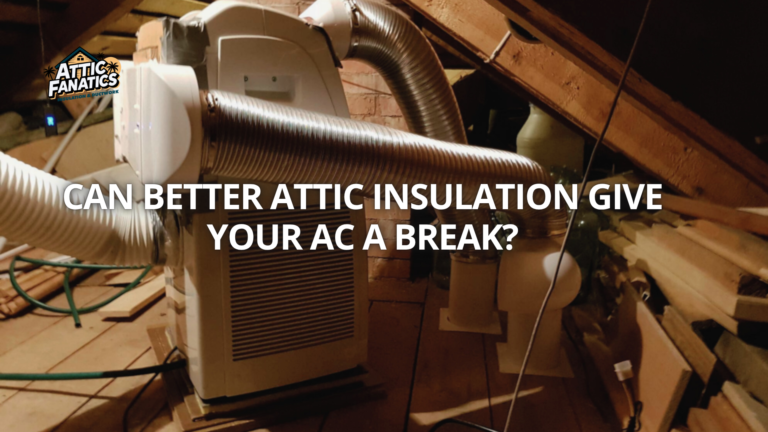
Your ductwork plays a major role in delivering conditioned air throughout the home. If ducts are leaking, poorly sealed, or exposed to extreme temperatures, energy can be lost before air reaches the rooms.
Leaking or Damaged Ducts
Small gaps in ducts allow heated or cooled air to escape into unused areas. This means the system produces conditioned air that never reaches the living space. Proper sealing and protection help improve delivery and reduce waste.
Temperature Loss During Distribution
Ducts located in areas with extreme temperatures can lose efficiency if they are not properly protected. This makes the HVAC system compensate by running longer cycles. Addressing these issues helps improve overall home comfort.
Improving Energy Efficiency Through Better Home Performance
Better energy efficiency comes from creating a complete system where insulation, sealing, ventilation, and equipment work together. Instead of depending only on the HVAC unit, improving the surrounding environment helps maintain comfortable temperatures with less energy demand. A balanced approach reduces waste, improves indoor comfort, and supports long-term savings.
How Attic Fanatics Helps Improve Home Comfort
Attic Fanatics identifies hidden issues that make heating and cooling systems work harder than necessary. Their evaluations focus on insulation performance, air leakage, and conditions that affect overall comfort. By correcting efficiency problems at the source, homeowners can reduce unnecessary system strain and create a more stable indoor environment.
Helping Your HVAC Work Smarter
A hardworking HVAC system is not always a sign of better performance. In many cases, constant operation means the home is losing energy faster than the equipment can replace it. Improving insulation quality, sealing weak spots, and supporting proper air movement allows the system to operate more efficiently while maintaining year-round comfort.