Insulation and Condensation Risks 🌬️💧
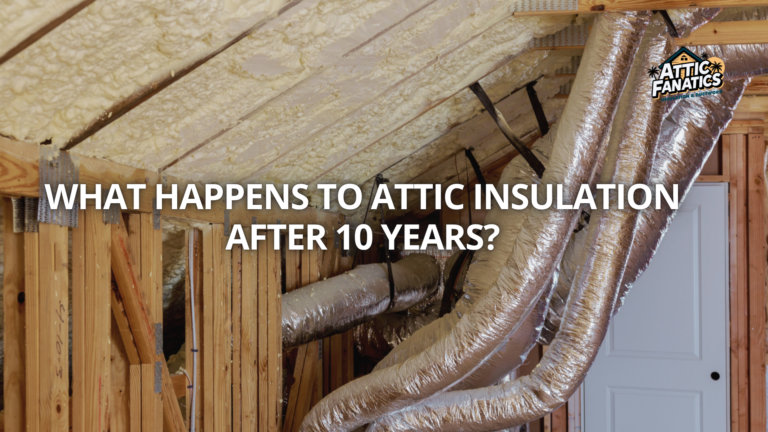
Insulation is essential for maintaining energy efficiency and comfort in homes, especially in humid regions. However, many homeowners don’t realize that well-insulated attics can, ironically, be more susceptible to condensation of attic insulation if the right vapor management techniques are not used.
Why Does Condensation Form in Attics? ❄️🌫️
Image:
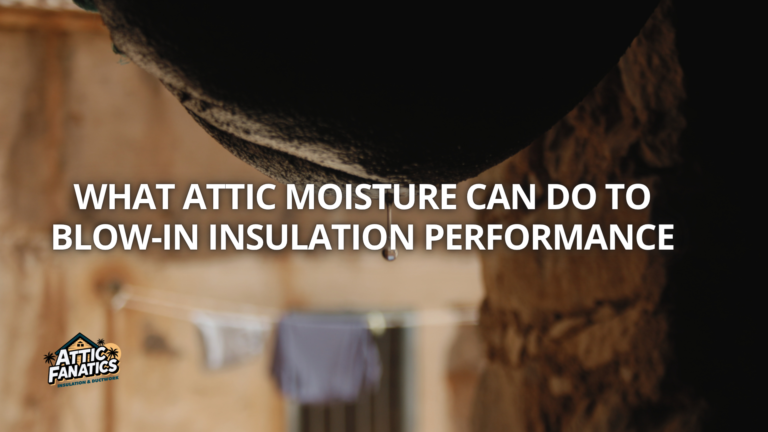
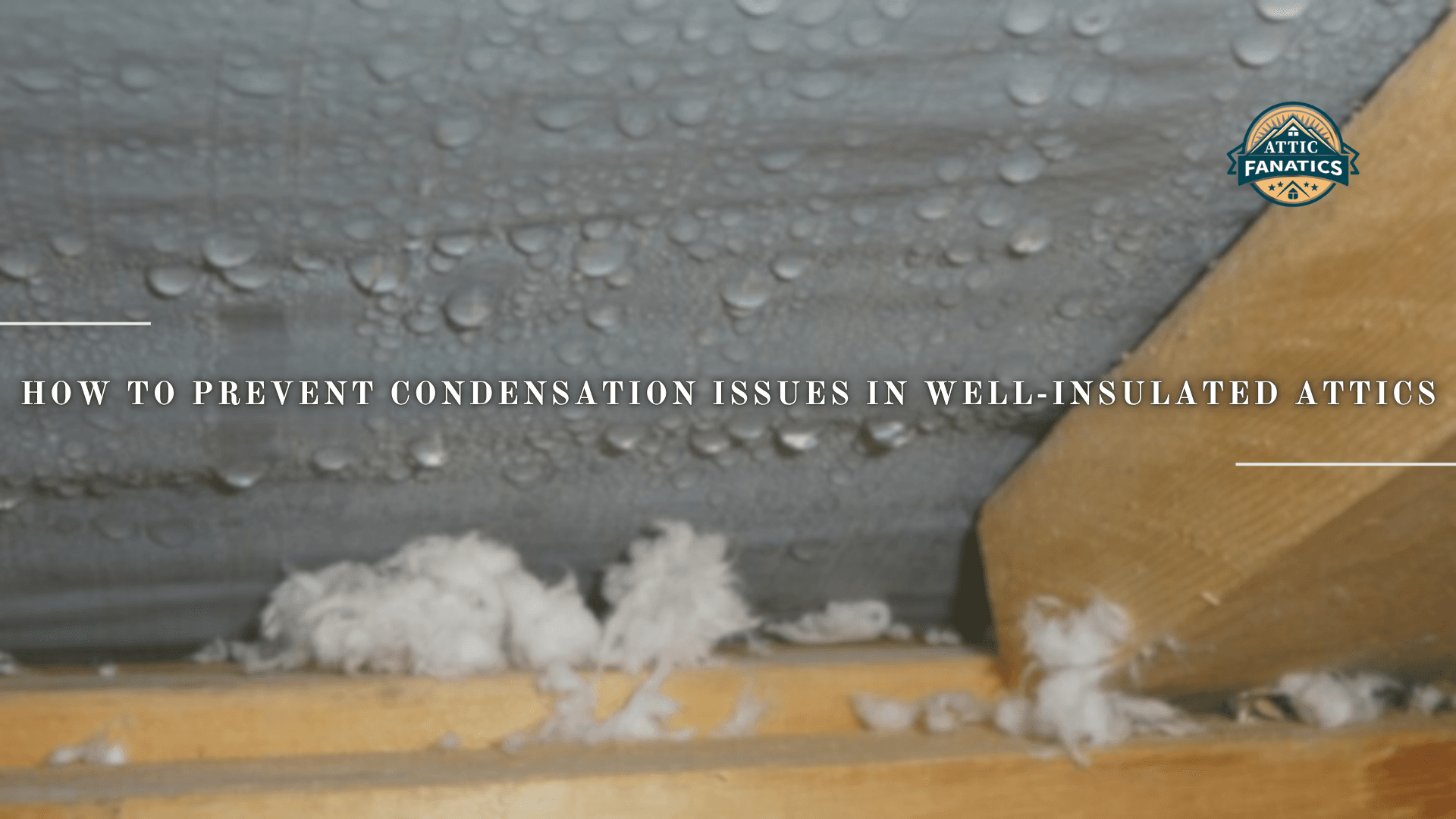
Alt Text: Condensation occurs when warm, moist air comes into contact with cold surfaces, causing the moisture to turn into water droplets.
In an attic, the air is often warmer and more humid due to activities like cooking, showering, and even breathing. When this air moves upward and cools on the colder attic surfaces, condensation forms. This is especially true if the attic is well-insulated but lacks adequate ventilation or vapor barriers.
The condensation can lead to serious problems over time, including mold growth, wood rot, and deterioration of insulation materials. All of these issues can reduce the energy efficiency of the attic and impact the overall comfort of your home.
Air Sealing vs Insulation: The Difference Matters 🔒💡
Image:
Alt Text: Air sealing vs insulation for moisture control.
While insulation is important for maintaining indoor temperature, air sealing should not be overlooked. Insulation alone will not prevent moisture buildup if warm air is leaking into the attic. Air leaks from the living spaces below the attic allow moisture to escape into the attic, contributing to Cooper City attic moisture issues.
Proper air sealing eliminates these leaks, preventing excess moisture from entering the attic in the first place. This makes it easier for the vapor barrier to function effectively, controlling the movement of moisture in the attic and reducing the chance of condensation buildup.
Role of Ventilation in Attic Moisture Control 🌬️🚪

Alt Text: Ventilation’s impact on attic moisture control.
Without proper ventilation, moisture can become trapped in the attic, further promoting condensation. In areas with high humidity like Cooper City, the warm-side vapor drive — which refers to the movement of moisture-laden air from warm spaces into cooler attic spaces — can exacerbate condensation issues.
Balanced ventilation is key to controlling the moisture levels in the attic. This means ensuring that both intake and exhaust vents are present and functional to allow air to flow freely. Without this airflow, warm, moist air has nowhere to go, leading to increased condensation. It’s critical to assess the attic’s ventilation regularly, especially in humid climates, to maintain a healthy balance.
Cold Roof Surfaces and Night Cooling 🌙❄️
Attic surfaces tend to cool rapidly during the night, especially in humid regions. This cooling creates a cold roof surface that increases the potential for condensation when it comes into contact with the warm, moist air in the attic. When this moisture cools and condenses, it can soak into the insulation, reducing its effectiveness and creating an environment ripe for microbial growth.
Installing a moisture barrier can help mitigate this issue by preventing moisture from entering the attic insulation in the first place. A vapor retarder acts as a shield between the warm, moist air and the cold surfaces in the attic, reducing the chance of condensation forming.
Mechanical Ventilation Solutions for Humid Regions 🌪️🔧
For homes in humid areas like Cooper City, simply relying on natural ventilation might not be enough. Mechanical ventilation systems, such as attic fans or dehumidifiers, can help regulate moisture levels more effectively. These systems actively remove moisture-laden air from the attic, reducing the risk of condensation and maintaining a healthier environment for your insulation.
Attic fans work by drawing in cooler outside air and pushing out the warmer, more humid air inside the attic, creating a constant airflow that minimizes condensation. Similarly, dehumidifiers can be used to control the overall humidity levels in the attic, ensuring that the space remains dry and properly ventilated.
Managing Vapor Barriers for Long-Term Protection 🛡️💦
The humidity barrier is a crucial component in preventing condensation issues in attics. When installed properly, it prevents warm, moist air from migrating into the attic, thus controlling the moisture levels in this space. Without an air and moisture shield, the insulation can become saturated with moisture, leading to reduced performance and potential damage.
Choosing the right vapor retarder is essential, especially in humid climates. Look for materials with low permeance to ensure that moisture does not pass through the barrier. Furthermore, proper installation is key to ensuring the barrier functions effectively, so make sure to consult with professionals who understand the unique moisture challenges of your area.
Importance of Attic Insulation and Moisture Control 🏠💧

Alt Text: Key benefits of attic insulation and moisture control.
In summary, a well-insulated attic is vital for energy efficiency and comfort, but without proper moisture management, it can become a breeding ground for condensation, mold, and decay. By addressing issues like air sealing, ventilation, and the installation of a moisture control layer, homeowners can significantly reduce the risk of condensation of attic insulation and ensure the longevity of their insulation materials.
Taking the time to inspect your attic’s moisture management system, especially in regions with high humidity like Cooper City, can help maintain the integrity of your insulation, improve air quality, and prevent costly repairs down the road.