The Risks of Over-Insulating in Florida
The Problem with Excess Insulation 🏡❌
In humid climates like Miami, where heat and moisture are constant challenges, it’s crucial to understand how attic insulation in Miami functions. The main purpose of attic insulation is to prevent heat transfer between the attic and the living spaces below. However, if the insulation is too thick and there isn’t enough ventilation, it can trap warm air in the attic instead of allowing it to escape. This leads to attic overheating, where the temperature rises dramatically inside, often making your home hotter than it would be without adequate insulation.
The key to effective attic insulation lies in balancing insulation thickness with proper airflow. Without this balance, homes become prone to increased humidity and heat, which can negatively impact both the comfort of your home and the efficiency of your HVAC system.
How Moisture Gets Trapped in Over-Insulated Attics 💧🔒
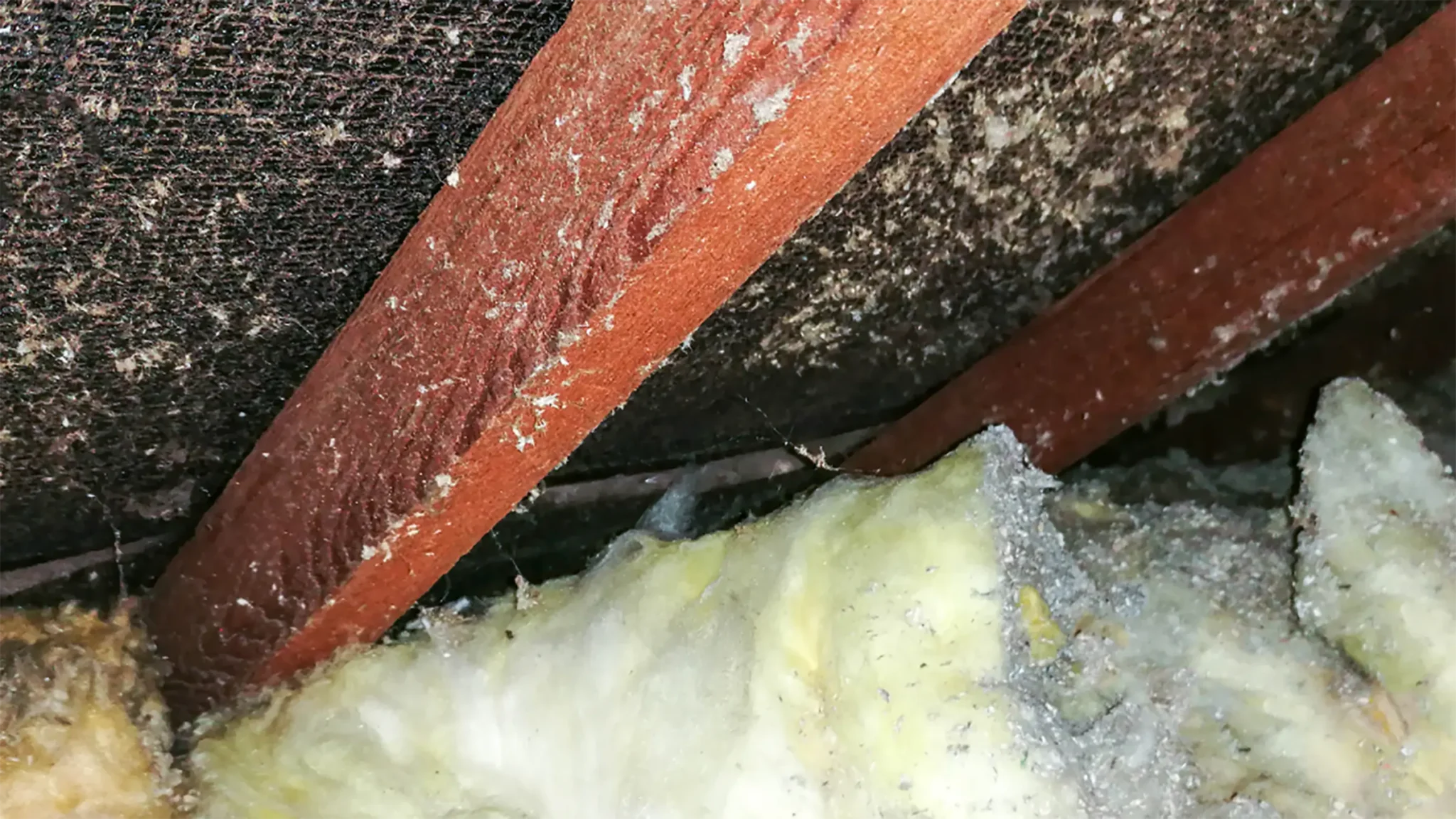
Alt Text: How moisture accumulates in over-insulated attics and its effects
Moisture is one of the most significant risks when it comes to over-insulating your attic. In a hot and humid climate like Miami’s, condensation can easily form when warm air becomes trapped in the attic. Attic insulation should never be the sole barrier between hot air and the living spaces below. Without sufficient ventilation, the trapped air leads to a buildup of moisture on the insulation material and the attic’s surfaces. This can cause mold growth and wood rot, both of which can compromise your home’s structural integrity.
The lack of airflow prevents the moist air from escaping, exacerbating the problem and leading to unhealthy indoor air quality. Even if your attic is insulated with top-quality materials like spray foam or batt insulation, improper ventilation will prevent those materials from performing to their full potential.
The Importance of Proper Airflow 🌀💨
While insulation is vital for temperature control, it works best when paired with adequate ventilation. Ventilation allows the warm, humid air to escape and helps maintain the correct temperature in the attic. Without this airflow, even the most advanced attic insulation in Miami can lead to attic overheating. Without proper airflow, the air trapped in the attic can rise in temperature, exacerbating the heat and humidity buildup inside.
In Florida, it is essential to combine proper attic insulation with a good ventilation system. Soffit vents, ridge vents, and attic fans are all excellent solutions for keeping the airflow moving and preventing the conditions that lead to trapped moisture and excessive heat.
Moisture and Mold: A Risk to Your Home’s Health 🦠⚠️
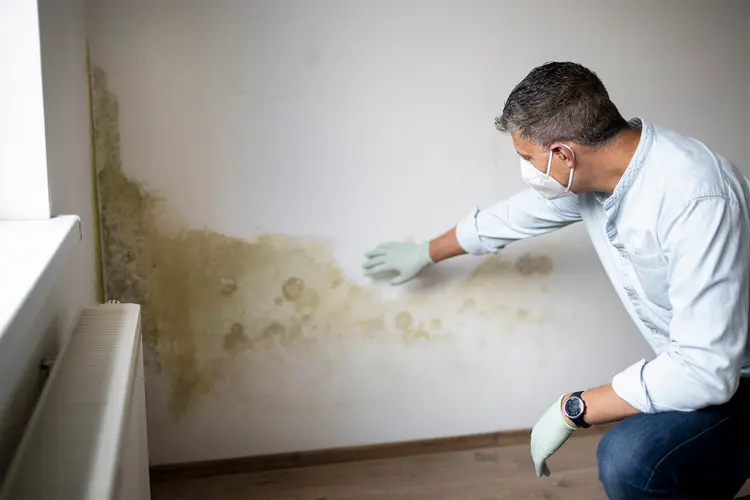
Alt Text: The health risks of moisture and mold in attics
Excess moisture in an attic can quickly lead to the growth of mold and mildew, both of which can affect the air quality inside your home. Mold thrives in dark, damp environments, and over-insulated attics create the perfect breeding ground for it. If mold begins to grow on insulation materials or wood beams, it not only damages the insulation but also poses a health risk to you and your family.
Additionally, mold and moisture buildup can lead to a significant decrease in the efficiency of your loft insulation. Damp insulation is less effective at blocking heat, which means your HVAC system has to work harder to maintain the desired indoor temperature. This results in higher energy bills and a less comfortable living environment.
Reduced HVAC Efficiency and Increased Energy Costs 🔋💸
When your attic becomes overheated, it doesn’t just affect comfort—it also has a significant impact on your energy bills. Over-insulation traps heat in the attic, causing the temperature to rise and forcing your air conditioning system to work harder to keep your home cool. The result is a drop in HVAC efficiency and an increase in your energy costs.
Proper ventilation in combination with insulation is essential to ensure that your cooling system doesn’t have to work overtime. When insulation is done correctly, your HVAC system can maintain a more consistent temperature, leading to less strain on the system and a reduction in overall energy usage.
Finding the Right Balance: Insulation and Ventilation 🌡️✅
When it comes to attic heat protection, the key is finding the right balance between insulation and ventilation. Thicker insulation is beneficial, but without proper ventilation to allow airflow and regulate temperature, you risk excessive attic heat and trapped moisture. Homes in humid climates like Miami need to have a comprehensive approach to insulation—one that includes high-quality insulation materials and a well-planned ventilation system to ensure the attic remains cool, dry, and energy-efficient.
It’s also important to note that the type of insulation used matters. While spray foam and batt insulation are both excellent choices, their effectiveness depends on proper installation and adequate ventilation. Spray foam, for instance, provides an air seal, but without proper airflow, even spray foam can’t prevent overheated attic in Miami’s hot and humid conditions.
Managing Moisture and Protecting Your Home’s Value 🏠💪
To avoid the pitfalls of over-insulating, it’s important to regularly check your attic’s condition. Attic inspection is a critical step in maintaining a healthy home. During inspections, look for signs of trapped moisture, mold growth, or excessive heat buildup. If any of these issues are found, it’s essential to address them immediately, either by adjusting insulation thickness or improving ventilation.
A balanced insulation approach not only keeps your attic cool and dry but also preserves the value of your home. By ensuring that the insulation is performing at its best and the attic remains free of excess heat and moisture, you’re protecting both your home and your family from the damaging effects of humidity.