Do You Need a Vapor Barrier in the Attic? 🏠💨

Many homeowners notice a potential issue with their attic insulation when they realize their attic doesn’t have a vapor barrier. This is especially common in older homes where vapor barriers were either not installed or have degraded over time. So, the question arises: Do you need a vapor barrier in the attic?
The Science of Moisture Movement 💧🌡️
Before deciding whether a vapor barrier is necessary, it’s crucial to understand how moisture behaves in an attic space. Moisture moves through materials via diffusion and air movement. In areas with significant temperature fluctuations, moist air from the living space can rise and condense in the attic, leading to moisture problems.
When air carrying moisture rises through the house, it often finds its way into the attic. This is especially common during winter when warm, moist indoor air meets the cooler surfaces in the attic. Without a vapor barrier, moisture can accumulate in the insulation, leading to insulation moisture problems, including mold growth, mildew, and reduced insulation effectiveness.
When Is a Vapor Barrier Necessary? ❄️☀️
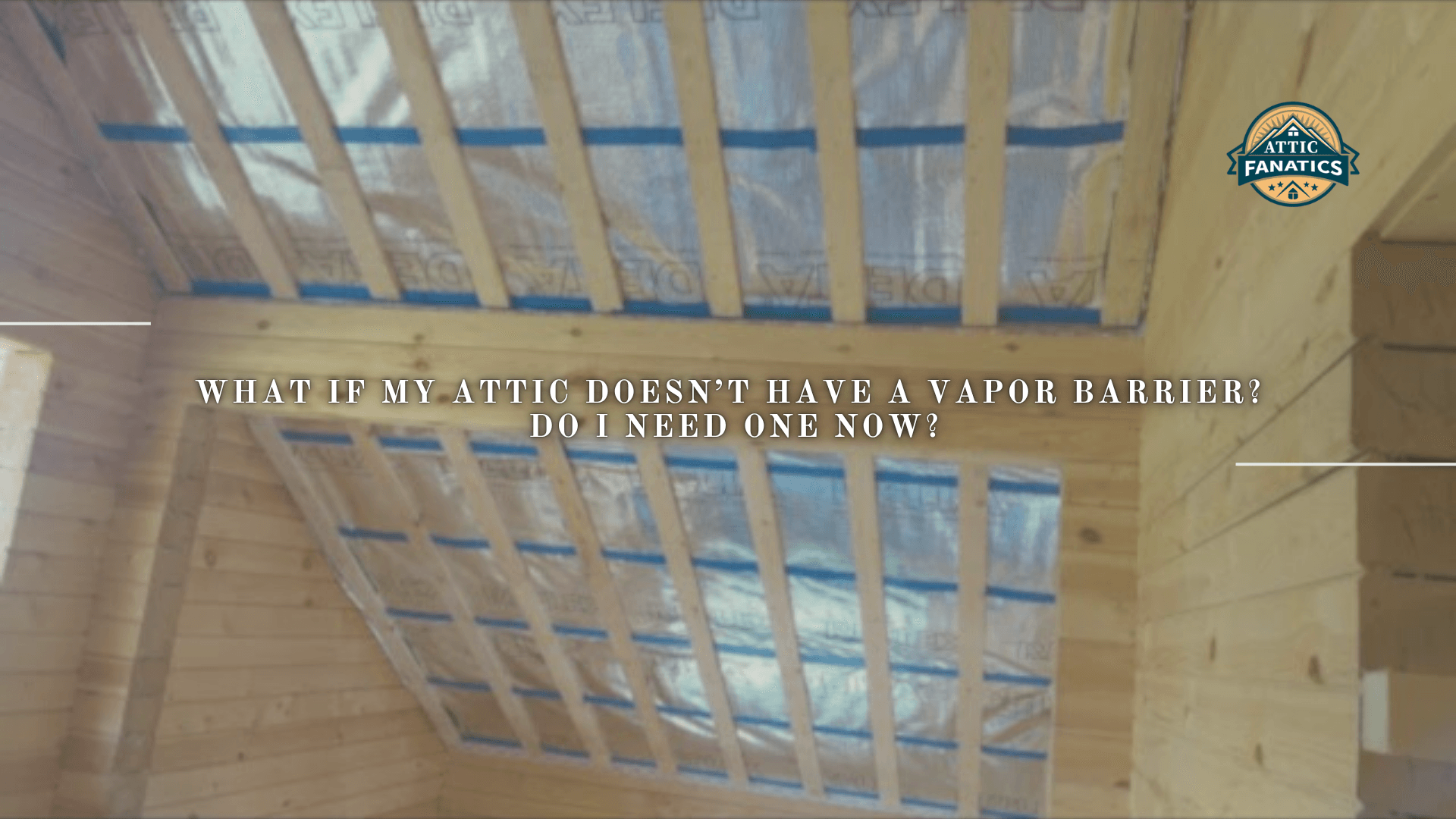
A vapor barrier is typically installed on the warm side of the insulation to prevent moisture from entering the attic. But is it always necessary? The need for a vapor barrier depends on several factors:
Climate Considerations
In colder climates, a vapor barrier can be essential to prevent warm, moist indoor air from condensing on cold attic surfaces. In contrast, in warmer, more humid areas, vapor barriers are often less critical since the moisture tends to move outward, away from the interior.Type of Insulation Used
Different types of insulation behave differently when exposed to moisture. Cellulose insulation, for instance, is more prone to absorbing moisture compared to fiberglass. If your attic insulation consists of materials like cellulose, it may be more susceptible to moisture damage, and installing a vapor barrier could help mitigate this risk.Existing Ventilation
Adequate attic ventilation can reduce the need for a vapor barrier. If your attic is well-ventilated and there’s a consistent airflow, the moisture buildup may not be as significant. Poorly ventilated attics, however, can trap moisture, making a vapor barrier more necessary to avoid insulation moisture issues.
Risks of Adding a Vapor Barrier ⚠️🚫
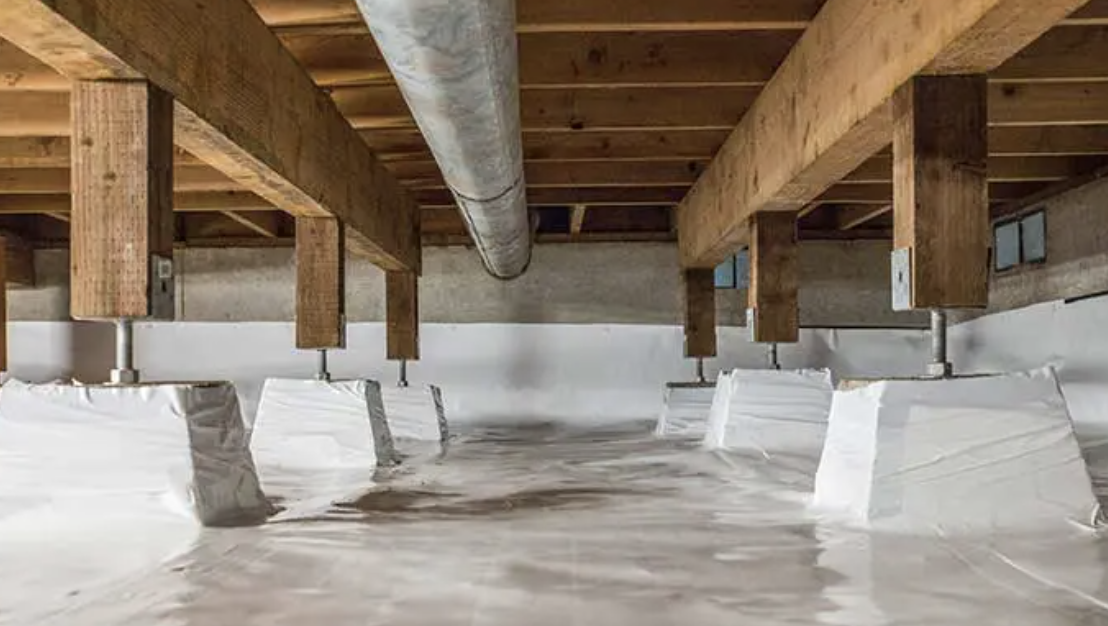
While vapor barriers can help prevent moisture accumulation, improper installation can sometimes cause more harm than good. Simply adding plastic sheeting or other types of vapor barriers without considering the specific conditions of the attic can lead to several issues:
Trapping Moisture
If a vapor barrier is installed incorrectly, it can trap moisture between the insulation and the barrier. This can lead to insulation humidity problems that were not there before. For instance, if the vapor barrier is placed on the wrong side of the insulation, moisture from the attic can be trapped in the insulation, creating the perfect conditions for mold and mildew growth.Blocking Proper Ventilation
Vapor barriers must be installed correctly to allow for proper airflow. Without adequate ventilation, the air trapped in the attic can lead to condensation, which defeats the purpose of the vapor barrier. Ventilation must always be prioritized alongside vapor barriers to ensure moisture control without compromising the attic’s health.Over-Insulating the Space
Over-insulating the attic with a vapor barrier can cause unintended consequences. Without proper ventilation, adding insulation on top of old material can cause insulation moisture issues and lead to inefficient heating or cooling throughout the home.
How to Add a Vapor Barrier Without Making Matters Worse 🛠️✅
If you’ve determined that your attic could benefit from a vapor barrier, it’s essential to approach the installation carefully. Vapor barrier retrofit options can help homeowners install vapor barriers in existing homes without disturbing the rest of the insulation.
Assess the Condition of Existing Insulation
Before installing a vapor barrier, check the condition of your existing insulation. If it’s wet or has signs of mold, it may need to be replaced or thoroughly dried. Adding a vapor barrier to wet insulation can exacerbate the problem and create more issues in the long term.Use a Permeable Vapor Barrier
In some cases, using a permeable vapor barrier is a better option. These barriers allow for some air movement while still preventing excessive moisture buildup. They can be an excellent choice for attics in areas with varying humidity levels.Ensure Proper Attic Ventilation
Regardless of the type of vapor barrier you choose, ensuring proper attic ventilation is key to preventing moisture problems. Without proper airflow, even the best vapor barrier will fail to keep the attic dry. Install soffit vents, ridge vents, or gable vents to promote consistent airflow through the attic.
What Building Codes Say About Vapor Barriers 🏛️📜
In many regions, building codes address the need for vapor barriers in attics. The requirements often depend on local climate conditions and the type of construction. It’s essential to check local building codes to ensure compliance with regional standards.
For example, areas with cold climates may have stricter vapor barrier requirements, while regions with mild or hot climates may not require them. Vapor barrier retrofit options are typically permitted when the attic didn’t originally have a vapor barrier, but it’s important to follow the correct procedures.
When to Call a Professional 📞👷♂️
Adding or retrofitting a vapor barrier in your attic might seem like a straightforward project, but it requires careful consideration of the specific conditions of your attic. If you’re unsure about the best approach, it’s wise to consult a professional who can assess the situation and install the barrier correctly.
A professional can evaluate whether a vapor barrier retrofit is the right choice, check for existing moisture issues, and ensure the attic is properly ventilated before making any changes.
Ensuring Effective Moisture Management in Your Attic 🌬️🛡️
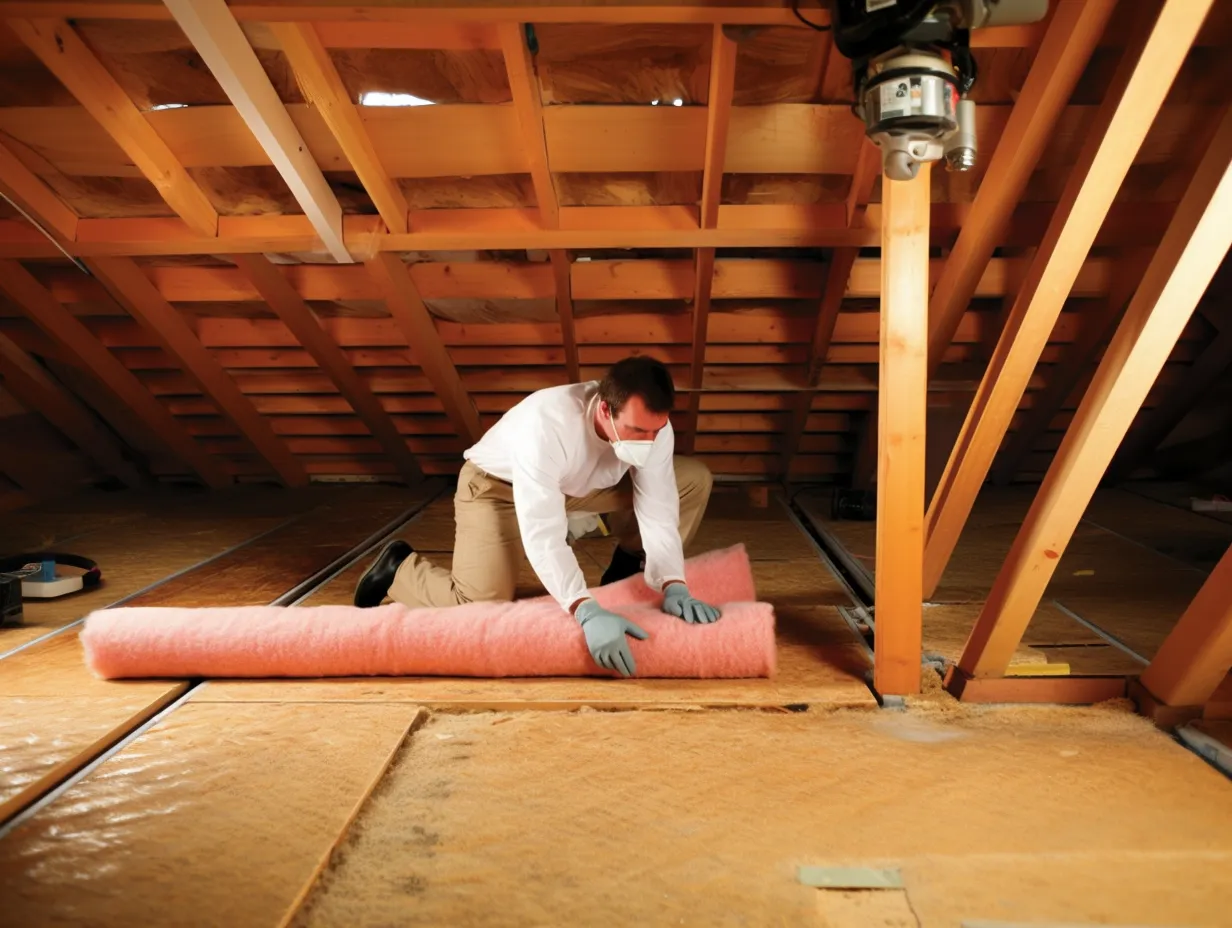
Addressing moisture issues in your attic is vital for maintaining the effectiveness of your attic insulation and preventing long-term damage. While installing a vapor barrier can be beneficial, it’s essential to understand when it helps, when it harms, and the proper way to install it. By ensuring proper ventilation, using the right materials, and considering the local climate, you can safeguard your attic from moisture buildup and maintain a comfortable, energy-efficient home.