🏠 How a Dirty Attic Impacts Your Respiratory Health
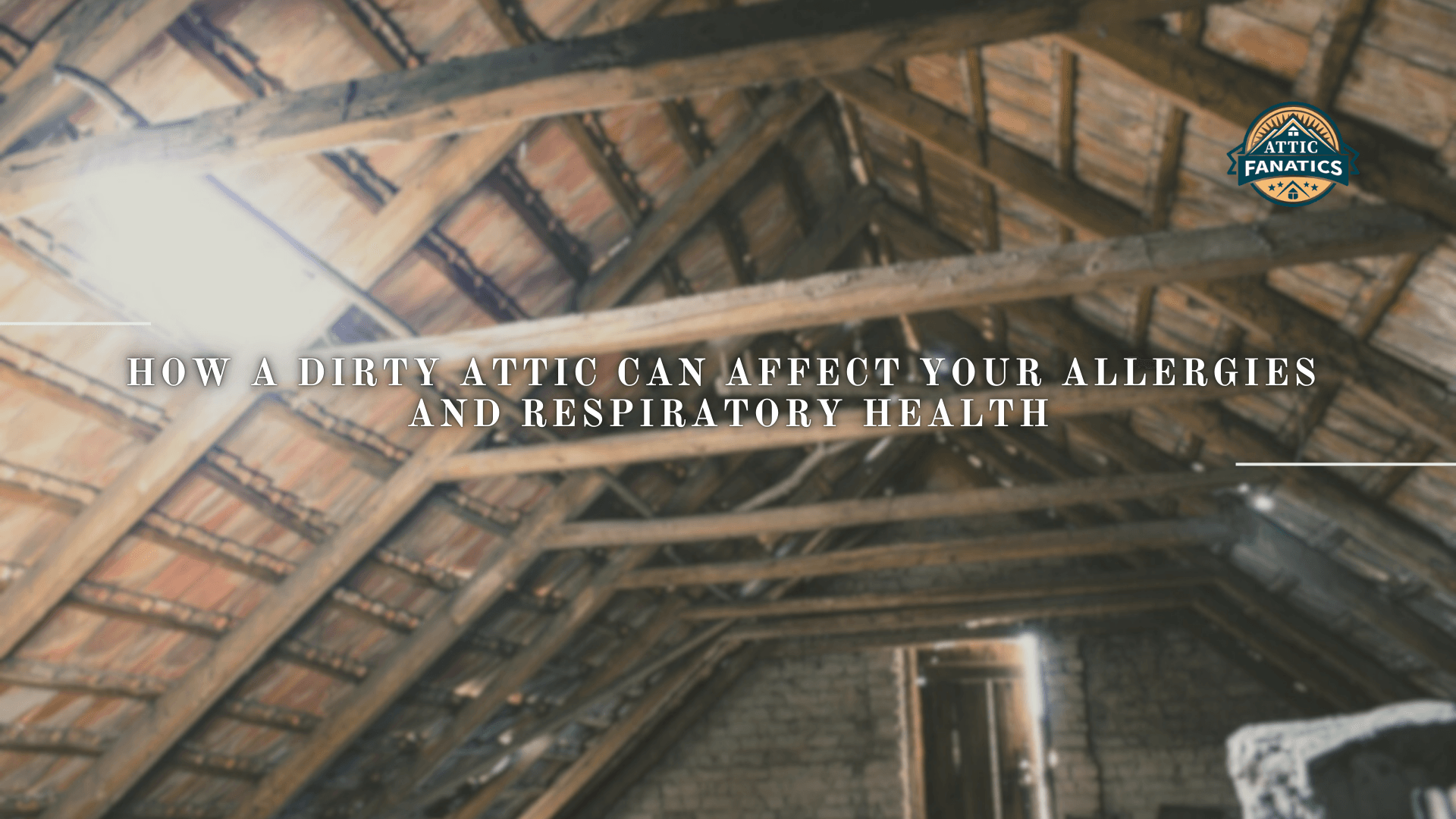
When it comes to indoor health, we often focus on the cleanliness of our kitchens, bathrooms, or living rooms while the attic, tucked away and out of sight, is often ignored. However, what’s hiding up there might be quietly impacting your breathing and overall wellness. A cluttered, dusty attic may not seem like a pressing issue, but it can pose serious risks to your respiratory system.
From mold spores to rodent droppings, airborne pollutants tend to collect and linger in this unventilated space. These contaminants don’t stay confined; they travel downward into your living space through air vents, cracks, or even ceiling penetrations, becoming part of the air you breathe every day.
⚠️ The Silent Threats Lurking Overhead
Attics are often overlooked because they aren’t part of our daily living environment. But this uppermost space acts like a sponge, absorbing heat, moisture, and airborne particles. Over time, an unmaintained attic becomes a hotspot for a variety of hazardous materials:
1. 🧹 Dust and Debris
Dust might seem harmless, but it harbors a mix of skin flakes, pollen, textile fibers, and even microscopic pests. When disturbed — either by shifting boxes or even changes in temperature — it becomes airborne. Inhaling these particles can cause sneezing, runny noses, or in more severe cases, chronic bronchial irritation.
2. 🍄 Mold Spores and Mildew
Warm, humid conditions provide the perfect breeding ground for mold in attic spaces. Mold spores can be especially harmful for people with asthma, allergies, or weakened immune systems. Even small patches can release countless invisible spores into your home’s air supply, leading to coughing, wheezing, or persistent sinus issues.
3. 🐭 Rodent Droppings and Nesting Material
Rodents often find refuge in attics, especially in colder months. Their droppings dry out and crumble, turning into airborne contaminants. This can result in attic dust allergies that mimic flu-like symptoms or trigger more severe respiratory infections like hantavirus pulmonary syndrome (HPS), although rare.
🌬️ How Contaminated Air Travels into Living Spaces
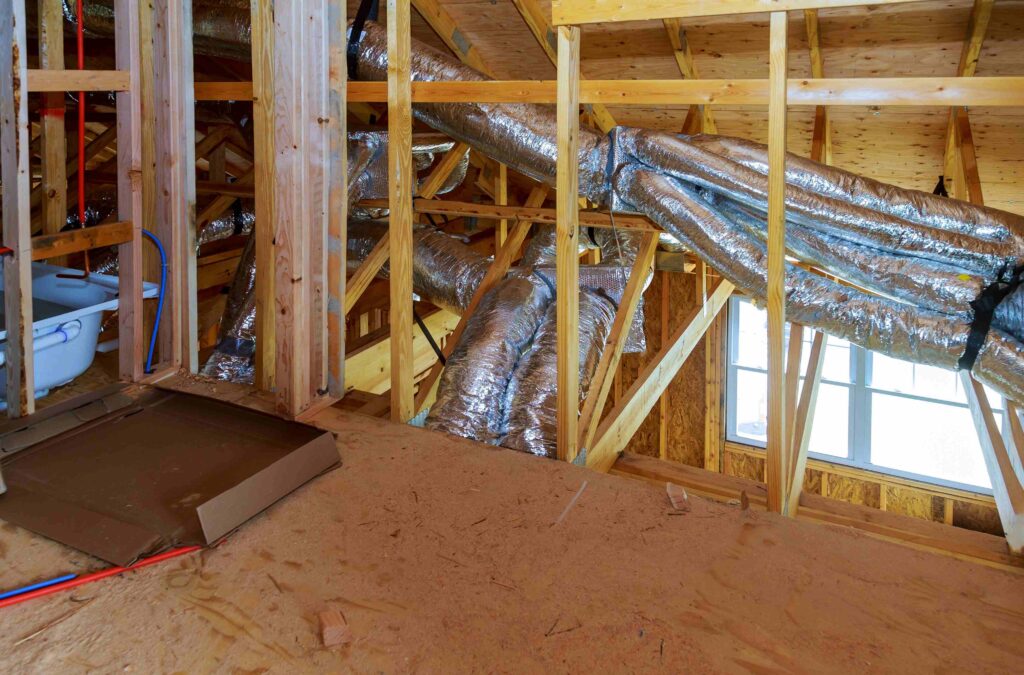
You might assume the air in your attic stays up there — but unfortunately, it doesn’t. Through air ducts, recessed lights, or even insulation gaps, contaminants move from your attic into bedrooms, hallways, and shared living spaces. This constant migration of poor-quality air can exacerbate symptoms, especially for those with asthma, COPD, or chronic allergies.
Common signs that your attic is affecting your air quality:
Waking up with congestion or throat irritation
Increased sneezing or watery eyes without outdoor allergens
Musty or stale odors
Recurring headaches or fatigue
🫁 The Link Between Dirty Attics and Long-Term Health

Prolonged exposure to poor indoor air can lead to more than just sneezing fits. Studies show that long-term inhalation of certain airborne pollutants increases the risk of chronic respiratory conditions and can even weaken cardiovascular function. Children, elderly individuals, and those with existing respiratory illnesses are especially vulnerable.
Even low-level, continuous exposure can weaken your immune system’s ability to respond to everyday infections, leaving you more susceptible to seasonal illnesses and reducing your overall quality of life.
🧼 Why Professional Attic Cleanup Matters
While some homeowners might attempt a DIY solution, attic sanitation is more complex than sweeping up dust or tossing out old boxes. Professional attic cleaning services use industrial-grade vacuums, air scrubbers, and antimicrobial solutions to eliminate particles and bacteria at the source.
They also inspect insulation for moisture damage, remove contaminated material, and sanitize nesting areas.
Benefits of a professional attic cleanup:
Cleaner indoor air
Reduced allergy symptoms
Longer HVAC system lifespan
A healthier home environment overall
🩺 Symptoms That Might Be Linked to Your Attic

It’s easy to dismiss certain symptoms as seasonal or related to outdoor pollution. However, your attic might be the hidden culprit. Look out for these:
Itchy eyes and skin
Dry coughing that lingers
Recurring sinus infections
Asthma flare-ups indoors
Constant fatigue without clear cause
These could be signs your indoor air isn’t as clean as it should be — especially if they worsen when you’re at home.
💨 Improving Wellness by Tackling What’s Above
Taking control of your respiratory health starts with eliminating what doesn’t belong in your home’s airflow. Attic contamination may not be immediately visible, but its effects on your body are very real.
A thorough inspection followed by a detailed cleanup can create an invisible but powerful shift in how you feel day to day. Breathing becomes easier, mornings start fresher, and recurring allergy symptoms begin to fade.
Services like those from Attic Fanatics USA specialize in deep-cleaning these overlooked areas — restoring comfort and safety to your space without structural disruption.
🌟 A Healthier Home Starts with a Cleaner Overhead Space
Neglecting the space above your ceiling might seem harmless until the effects seep into your health and comfort. Your attic holds more than just old furniture and insulation; it often shelters the culprits behind breathing difficulties, allergy flare-ups, and even chronic conditions.
Whether it’s subtle signs like a tickle in your throat or more serious symptoms that won’t go away, cleaning and restoring your attic could be a powerful step toward better breathing and overall wellness.
Sometimes, the clearest air starts with addressing what’s hidden from view.