Fixed Your AC? Why Your Home Still Feels Hot 


Upgrading your AC should improve comfort but if your home still feels warm, the issue may not be the system. In many cases, hidden attic conditions prevent cooled air from doing its job. These problems reduce performance and make it seem like your upgrade didn’t work. The real issue often lies in how your home manages heat and retains cooled air throughout the day. Without addressing these hidden factors, even a new system can struggle to deliver consistent comfort.
Why AC Alone Doesn’t Solve Cooling Problems
An air conditioning system is designed to maintain indoor temperature, not fight structural inefficiencies.
If heat continuously enters the home or cooled air escapes, the system runs longer without delivering consistent results. This is why many homeowners experience AC not cooling home issues even after installing a new unit.
To achieve real comfort, the structure above your ceiling must support the system not work against it.
Hidden Attic Issues Affecting Cooling
 Hidden Attic Issues Affecting Cooling
 Heat Retention in the Attic
Attics absorb intense warmth throughout the day. Without proper ventilation, it becomes trapped and radiates downward into living areas.
This attic heat retention creates a constant load on your cooling system, making it harder to maintain comfortable indoor conditions.
Poor Insulation
 Poor Insulation
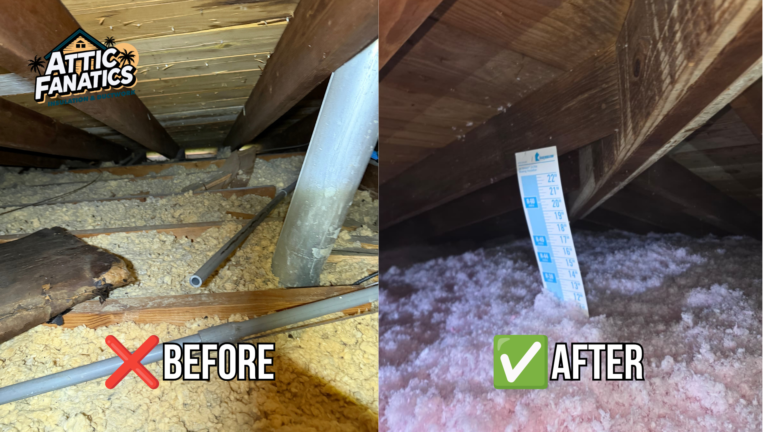
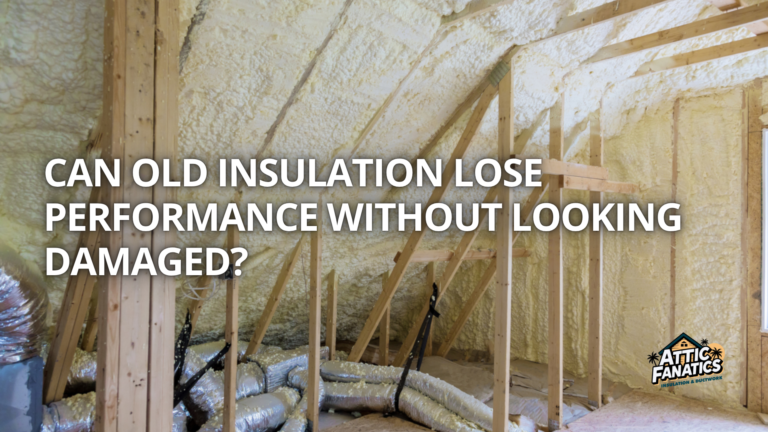
Insulation acts as a barrier between the attic and your living space. When it’s outdated, thin, or uneven, heat passes through more easily.
This weak barrier reduces cooling system efficiency and allows indoor temperatures to rise faster than expected.
Air Leaks
 Air Leaks
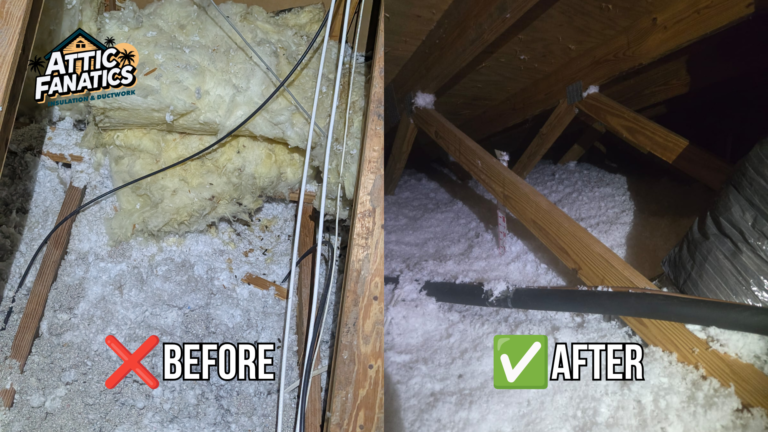
Small openings around ducts, wiring, and ceiling penetrations allow cooled air to escape. At the same time, warm air enters the home.
These hidden leaks disrupt airflow balance and reduce overall HVAC performance.
Signs Your Attic Is the Problem
 Signs Your Attic Is the Problem
When attic-related issues are present, certain patterns begin to appear. These signs often point to deeper inefficiencies:
- Your AC runs constantly without reaching the desired temperature
- Energy bills increase even after upgrading the system
- Indoor spaces still feel warm during the day
- Upper rooms are harder to cool than lower levels
- The system cycles frequently but comfort remains inconsistent
 Energy bills increase even after upgrading the system
 Indoor spaces still feel warm during the day
 Upper rooms are harder to cool than lower levels
 The system cycles frequently but comfort remains inconsistent
These symptoms indicate that the cooling system is working harder than it should, often due to structural issues above the ceiling.
How to Improve Cooling Results
 How to Improve Cooling Results
 Insulation Upgrades
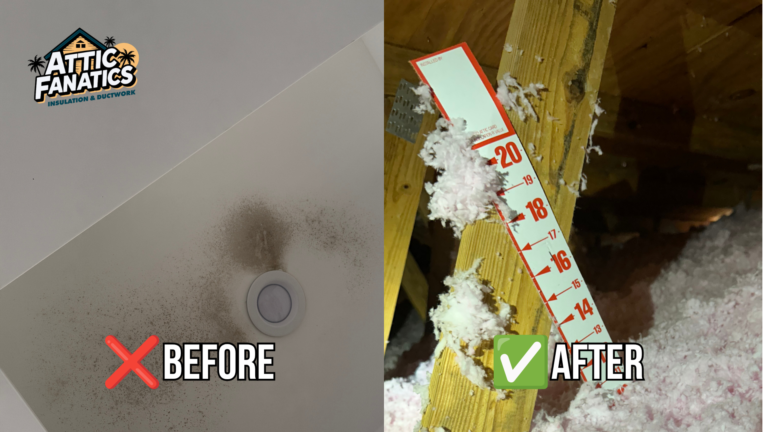
Improving insulation helps block heat from entering the living space. A consistent thermal layer reduces temperature fluctuations and supports better system performance.
Air Sealing
 Air Sealing
Sealing gaps in the attic prevents cooled air from escaping and stops outside heat from entering. This strengthens the overall structure and improves indoor conditions.
Ventilation Improvements
Proper ventilation allows trapped heat to escape, reducing the load placed on your cooling system. Balanced air movement supports more stable indoor temperatures.
How Attic Fixes Boost AC Performance
 How Attic Fixes Boost AC Performance
When attic conditions are corrected, your system operates more efficiently. Heat gain is reduced, indoor temperatures stabilize, and the system reaches target settings faster.
Addressing attic insulation impact and sealing issues improves overall cooling system efficiency, allowing your AC to perform as intended without unnecessary strain. This also helps reduce frequent system cycling, which can wear down components over time. As a result, your home maintains a more consistent temperature without constant adjustments.