Blow-In Insulation Looks Fine—So Why Isn’t It?
Not every insulation issue is easy to see. A space can look properly covered while still allowing heat movement, moisture problems, and higher energy use behind the scenes.
Over time, materials can settle, shift, or lose performance without obvious signs. That means homeowners may continue dealing with uncomfortable rooms and rising utility bills even when everything appears normal during a quick visual check.
Why Blow-In Insulation Can Stop Working Without Looking Damaged
Blown materials are designed to create an even protective layer that slows heat transfer. However, appearance alone does not always show how well the system is performing.
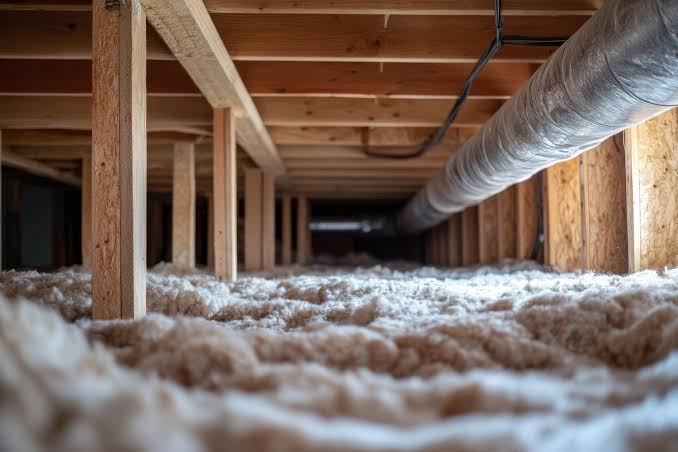
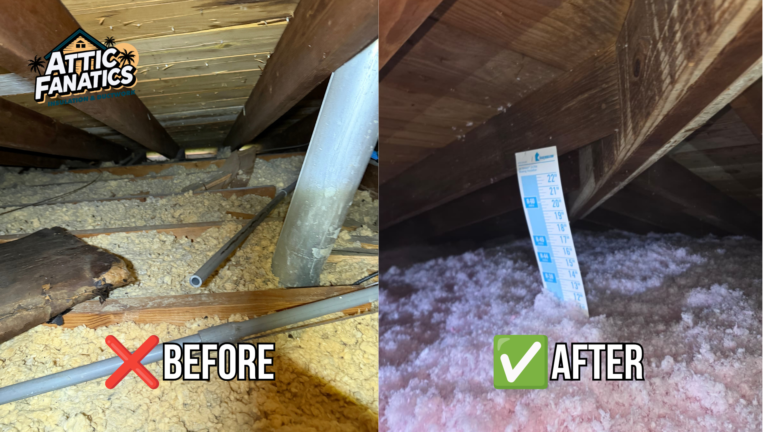
A layer may seem thick enough from above, but hidden gaps, settling, or uneven coverage can reduce effectiveness. This is why blow-in insulation should be evaluated based on performance, not only appearance.
Material Settling Over Time
Many loose-fill products naturally settle as years pass. When the material compresses, it may lose depth and provide less resistance against temperature changes. Even a small reduction in coverage can affect how well the home maintains consistent indoor conditions.
 Hidden Gaps and Air Movement
 Hidden Gaps and Air Movement
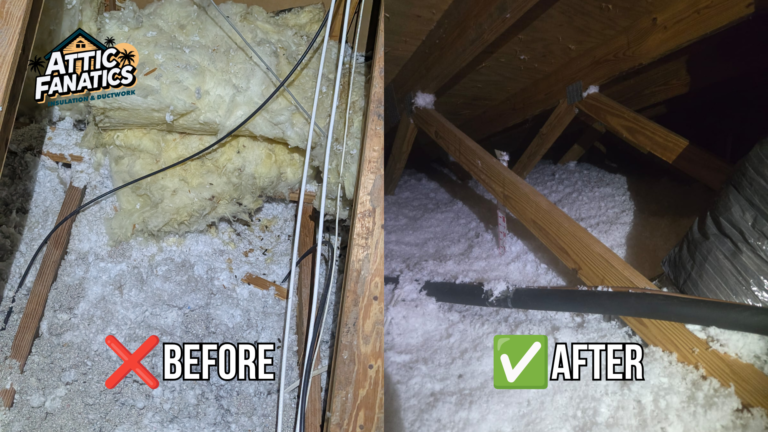
Small openings around lights, vents, wiring, or framing can allow conditioned air to escape. These hidden pathways create drafts and make heating or cooling systems work harder. A surface inspection may miss these areas because the problem is often underneath the insulation layer.
Moisture and Humidity Effects
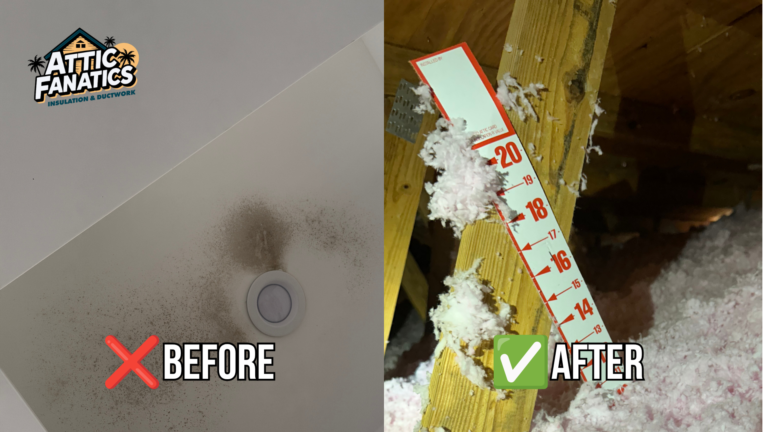
Humidity exposure can gradually affect insulation quality. When moisture enters the space, materials may become heavier, compressed, or less effective at controlling temperature transfer.
If moisture remains unnoticed, it can also create conditions that impact indoor air quality and long-term home performance.
Common Insulation Problems Homeowners Notice
Many homeowners do not discover hidden issues until comfort levels begin changing inside the home. The warning signs usually appear gradually.
Uneven Indoor Temperatures
Some rooms may feel warmer or colder than others because the protective barrier above the living space is no longer performing correctly. This can happen even when the material still appears evenly spread.
Increasing Utility Costs
When insulation weakens, heating and cooling systems must run longer to maintain the same temperature. This often results in higher energy bills without any major change in daily habits. Ongoing energy loss is one of the most common signs that something inside the home needs evaluation.
Reduced Home Comfort
Poor temperature control, frequent HVAC cycling, and inconsistent conditions can all point toward hidden efficiency problems. These issues are often blamed on the cooling system when the actual cause may be above the ceiling.
How Professionals Identify Hidden Issues
A proper inspection looks deeper than surface appearance. Specialists evaluate thickness, coverage, moisture levels, ventilation, and areas where leakage may occur.
Checking Thermal Performance
Thermal evaluation helps identify areas where heat transfer is happening. This allows professionals to locate weak spots that may not be visible during a basic inspection.
Measuring Coverage and Depth
Insulation must maintain proper depth to perform effectively. Measuring the existing material helps determine whether settling has reduced efficiency.
Inspecting Problem Areas
Certain areas are more likely to develop performance issues, including:
- Openings around fixtures and wiring
- Areas affected by moisture exposure
- Sections where materials have compressed
- Spaces with uneven coverage or gaps
 Areas affected by moisture exposure
 Sections where materials have compressed
 Spaces with uneven coverage or gaps
Identifying these problems helps determine whether repairs or upgrades are needed.
When Insulation Replacement Becomes Necessary
Small issues can sometimes be corrected with targeted improvements, but severely damaged or ineffective material may need replacement. Professional insulation replacement is usually recommended when existing materials no longer provide proper coverage, have moisture damage, or cannot support efficient temperature control. Replacing failing materials helps restore performance and reduces the chances of recurring comfort problems.
How Attic Fanatics Improves Insulation Performance
Before recommending any insulation work, Attic Fanatics takes the time to understand why the current system is underperforming. Their inspections look beyond the surface to identify issues such as insulation settling over time, moisture damage, air leaks, or other factors that may be reducing efficiency.
With a clear picture of the attic’s condition, they can recommend improvements that address the actual problem, helping homeowners maintain a more comfortable indoor environment while reducing unnecessary energy loss.
Creating a More Efficient Home Environment
Insulation should do more than simply fill a space. It should create a reliable barrier that keeps indoor temperatures steady and reduces unnecessary strain on heating and cooling systems. Regular evaluations help uncover hidden problems early, allowing the home to stay more efficient and easier to regulate over time.