🐜 Termites in Attic Insulation: Cleaning & Re-Insulating
Finding termites in the attic can be alarming, but the insects themselves are often only part of the problem. By the time an infestation is discovered, moisture issues, damaged building materials, and contaminated insulation may already be affecting the space. Many homeowners assume that once pest treatment is complete, the problem is solved. In reality, successful termite removal is usually followed by a restoration phase that includes inspection, cleaning, and, in some cases, replacing damaged insulation. Without addressing the underlying conditions that attracted the infestation in the first place, the risk of future problems remains.
❓ Why Termites Are Attracted to Attic Environments
Although termites are most commonly associated with foundations and crawl spaces, attics can also provide favorable conditions for activity when moisture and food sources are present.
💦 Moisture Sources
Water is one of the biggest factors that attracts termites. Roof leaks, condensation, poor ventilation, and excessive humidity can create damp conditions that support infestations. In many cases, attic moisture termites problems begin long before homeowners notice visible signs of damage.
🪵 Wood Components in Attics
Roof framing, support beams, roof decking, and other wooden structural elements provide a food source for termites. When moisture softens or weakens these materials, they become even more attractive to pests. The combination of wood and moisture creates ideal conditions for infestation.
🍂 Favorable Conditions for Infestation
Dark, undisturbed spaces with limited activity often allow infestations to grow unnoticed. Because attics are rarely inspected closely, termite activity can continue for extended periods before being discovered. This hidden nature makes regular inspections especially important.
📉 How Insulation Is Affected by Termite Activity
While termites typically consume wood rather than insulation itself, infestations can still have a significant impact on the surrounding insulation system.
☣️ Contamination Concerns
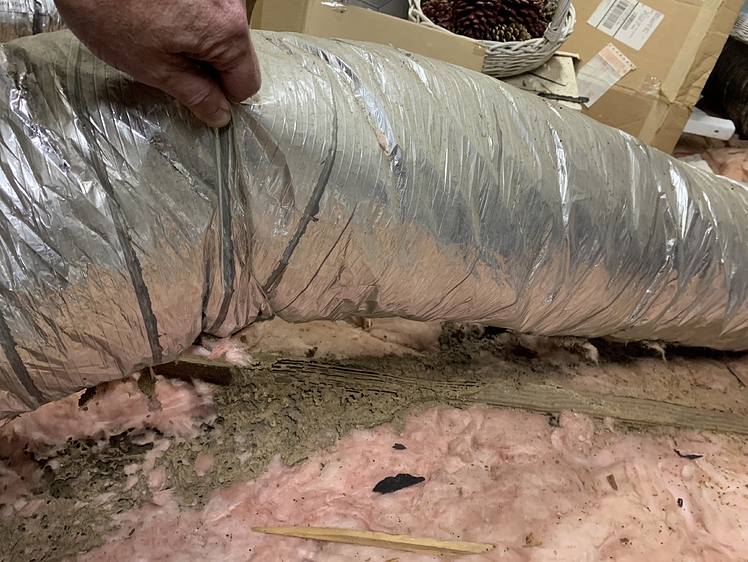
Pest activity can leave behind debris, waste materials, damaged wood particles, and other contaminants throughout the attic. Once contamination becomes widespread, affected insulation may no longer be suitable for continued use.
🧽 Moisture Retention
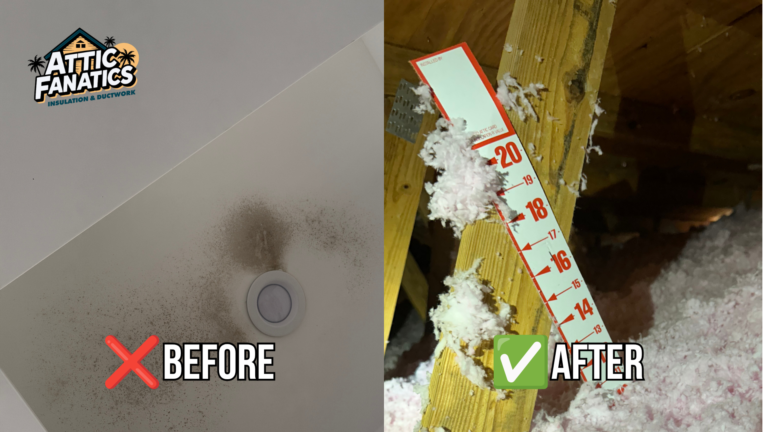
The same conditions that attract termites often expose insulation to prolonged moisture. Damp insulation loses effectiveness and may create additional concerns related to mold or microbial growth. Moisture-related deterioration can continue even after pest treatment is completed.
🔍 Hidden Damage Risks
One of the biggest concerns is damage that remains concealed beneath existing insulation. Structural deterioration, weakened framing, and hidden moisture problems may not become visible until insulation is removed. This is why termites in attic insulation situations often require a thorough post-treatment inspection.
🧱 What Happens After Termite Treatment
Eliminating the infestation is only the first step. Restoring the attic environment is equally important for protecting the home long term.
🔍 Inspection Process
After treatment, the attic should be carefully inspected to determine whether damage remains. Professionals typically evaluate insulation condition, structural components, moisture sources, and areas previously affected by infestation. This assessment helps determine whether cleanup or replacement is necessary.
🧼 Cleanup Requirements
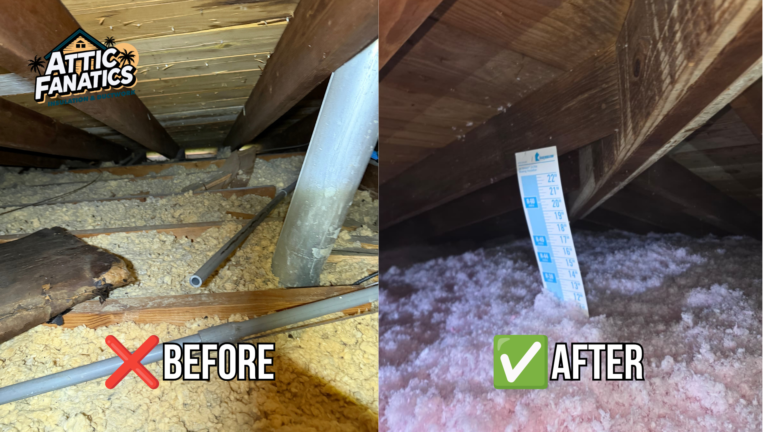
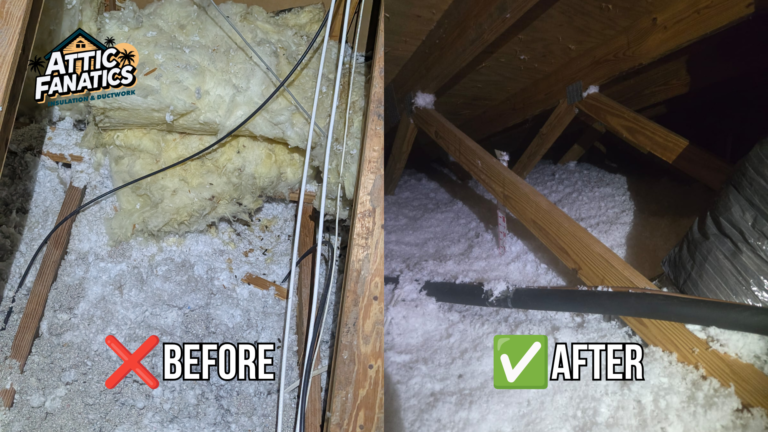
Contaminated materials, debris, damaged insulation, and pest-related residue are often removed during the cleanup phase. A professional attic cleanup helps eliminate contaminants while providing access to areas that require further inspection or repair.
🆕 Re-Insulation Recommendations
If insulation has become contaminated, saturated, compressed, or damaged, replacement may be recommended. Installing new insulation without addressing moisture issues first can lead to recurring problems. Replacement is typically performed only after the space has been cleaned, inspected, and any underlying moisture concerns have been corrected.
🗑️ Removal of contaminated insulation
🪵 Inspection of structural components
📍 Identification of moisture sources
🧹 Cleanup of pest-related debris
🆕 Installation of replacement insulation when necessary These steps help restore the attic to a cleaner and more efficient condition.
☀️ Why Moisture Control Matters After Cleanup
Many termite infestations can be traced back to excess moisture. If humidity issues, roof leaks, or ventilation deficiencies remain unresolved, the conditions that attracted pests may continue to exist. Controlling moisture is often just as important as replacing damaged insulation. Proper airflow, leak repairs, and humidity management help reduce the likelihood of future infestations while supporting long-term insulation performance.
🦉 How Attic Fanatics Helps After Pest Remediation
Attic Fanatics assists homeowners following pest remediation by evaluating insulation condition, identifying moisture-related concerns, and determining whether replacement is necessary. The process focuses on restoring cleanliness, improving energy efficiency, and addressing conditions that may contribute to future infestations. By combining cleanup, inspection, and insulation replacement services, the attic can be