Why Some Homes Stay Cool — And Others Don’t ❄️🏠
Some homes feel comfortable within minutes of turning on the AC. Others seem to run constantly without reaching the same level of comfort.
The difference often isn’t the system itself, it’s how the structure above the ceiling supports or disrupts the cooling process.
🌡️ Why Cooling Performance Differs Between Homes
Every home has a unique thermal behavior. Two houses with similar layouts can perform very differently depending on how well they manage heat and air movement.
When the upper structure is properly designed, indoor temperature control becomes faster and more consistent. When it’s not, the system must work harder to compensate.
🔍 What Affects How Fast Your Home Cools Down
🧱 Attic Insulation Quality
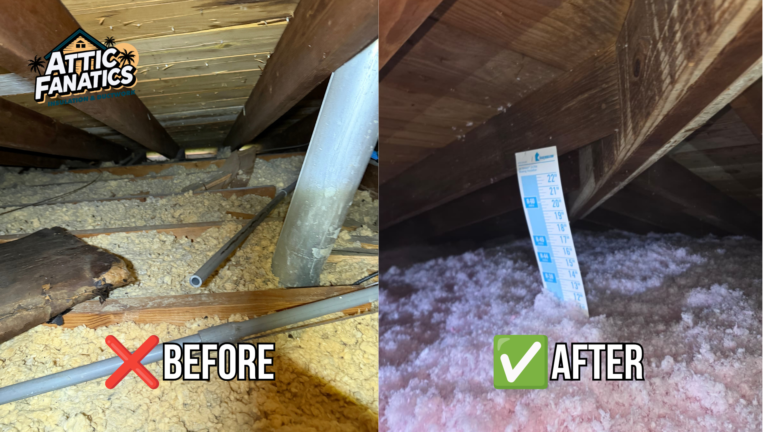
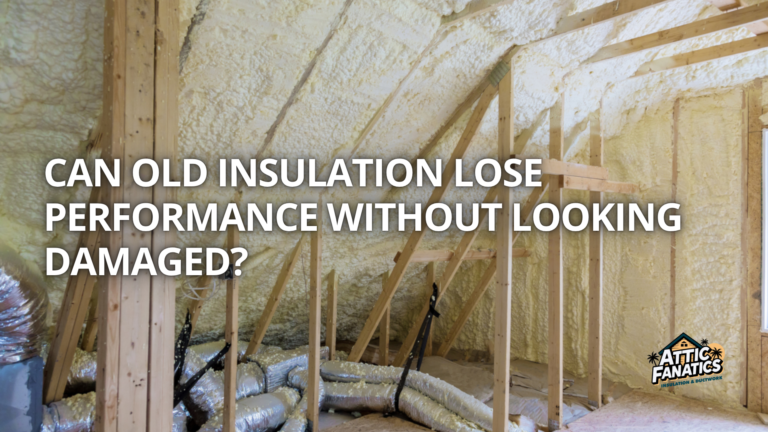
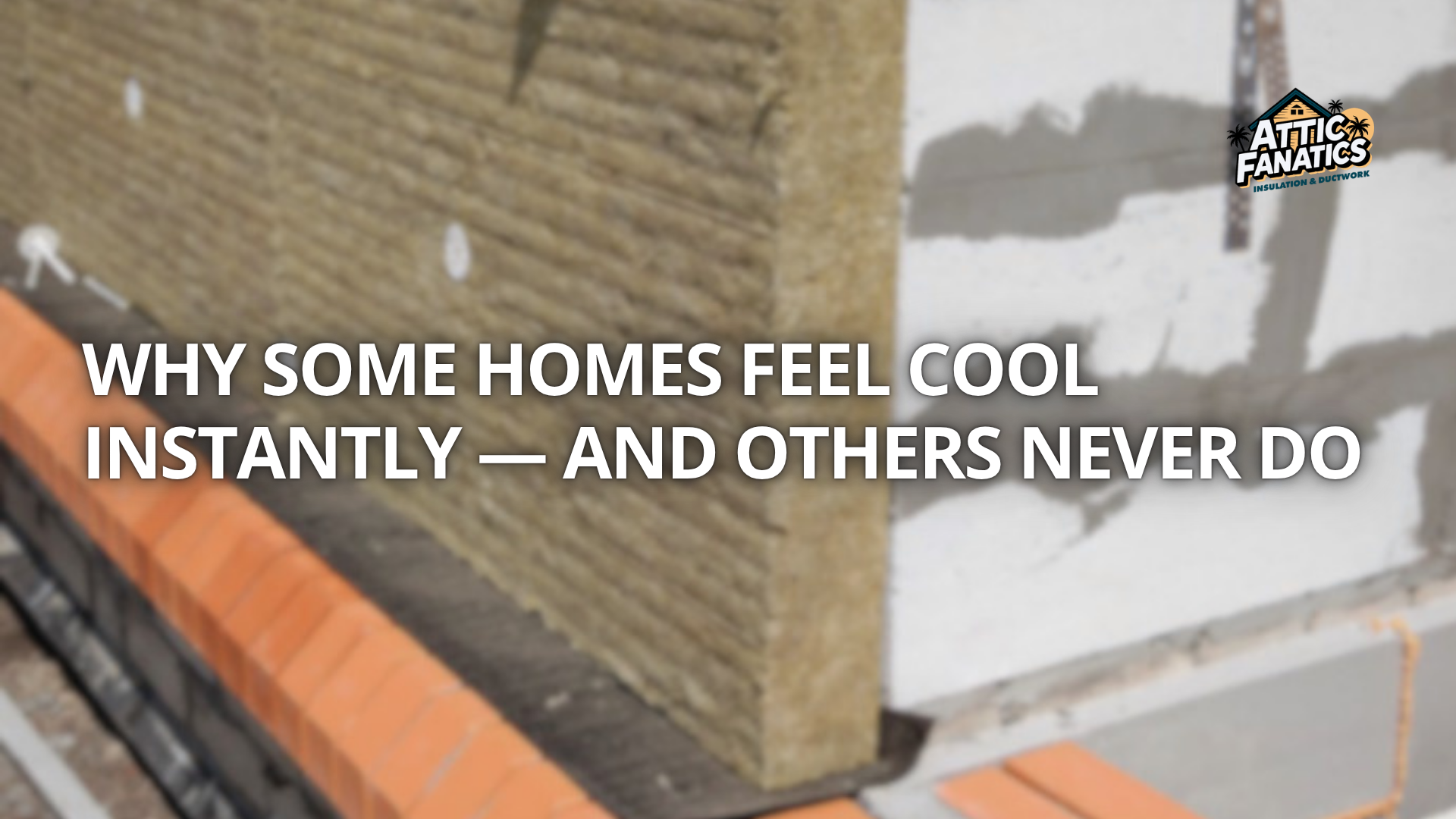
Insulation acts as a barrier that slows down temperature transfer. When it is properly installed and evenly distributed, it prevents outdoor warmth from entering living spaces.
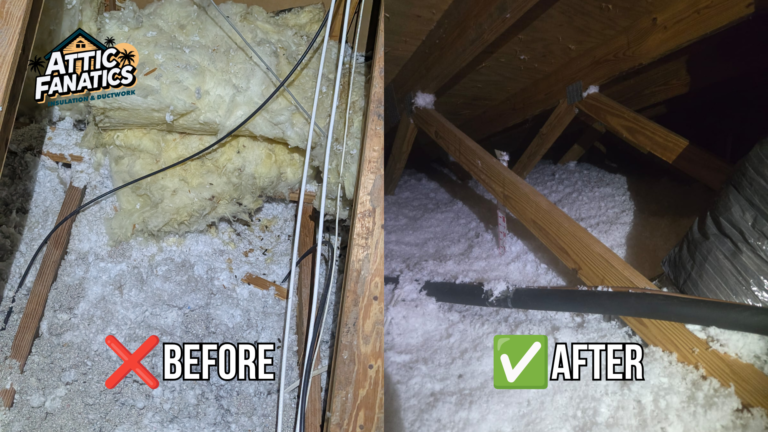
Strong attic insulation performance allows indoor areas to cool quickly and stay that way for longer periods. Poor or uneven coverage leads to constant heat gain, making cooling slower and less effective.
🌬️ Airflow and Ventilation
Air movement plays a key role in maintaining comfort. When ventilation is balanced, excess warmth is pushed out while fresh circulation helps maintain stable indoor conditions.
Without proper airflow balance, warm air can remain trapped, reducing the system’s ability to cool efficiently.
🔥 Heat Retention in the Attic
During the day, the attic absorbs and stores thermal energy. If it isn’t released effectively, it radiates downward into the home.
An effective attic heat barrier helps reduce this buildup, allowing the cooling system to maintain a stable indoor environment without constant effort. Over time, trapped heat can create a continuous cycle where the home never fully cools, even after long AC cycles. This lingering warmth also puts extra pressure on the system, making it harder to maintain consistent comfort throughout the day.
⚠️ Signs Your Home Struggles to Stay Cool
⏱️ Long AC Cycles
If your HVAC system runs for extended periods without reaching the desired temperature, it may be compensating for structural inefficiencies.
🌡️ Hot Zones in the House
Some rooms may feel comfortable while others remain warm. This uneven distribution often points to issues above the ceiling.
💧 High Humidity Indoors
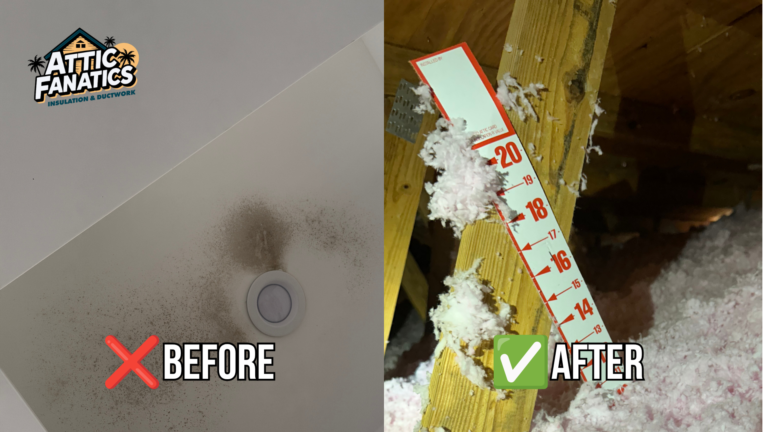
When cooling is inefficient, humidity levels can rise. This makes the air feel heavier and less comfortable, even if the room feels cool.
🛠️ How to Improve Cooling Efficiency
🧱 Insulation Upgrades
Improving insulation helps block heat transfer and supports faster temperature control. Proper coverage ensures that indoor conditions remain stable throughout the day.
🌬️ Ventilation Improvements
Upgrading attic ventilation allows trapped heat to escape more effectively. This reduces the load on the cooling system and improves overall efficiency.
⚙️ Airflow Balancing
Adjusting how air moves through ducts and living spaces ensures that cooled air reaches every room evenly. Balanced distribution helps eliminate hot spots and improves comfort.
🌿 What Makes a Home Consistently Comfortable
Homes in Florida that stay comfortable share one common trait, they manage heat effectively. When insulation, ventilation, and air distribution work together, indoor conditions stabilize faster and remain consistent.
This combination improves home cooling efficiency, reduces system strain, and creates a more comfortable indoor environment regardless of outdoor conditions.