Why Old Attic Insulation Should Be Removed 

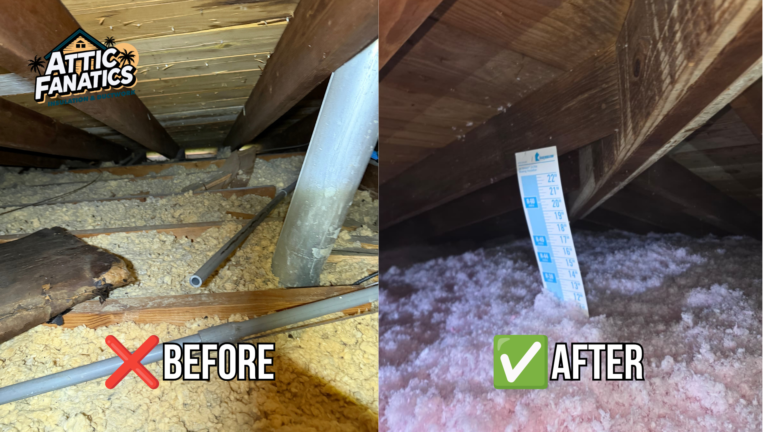
Attics are often out of sight and out of mind, but the condition of their insulation plays a crucial role in a home’s comfort, energy efficiency, and structural health. In Florida, the combination of high heat and persistent humidity accelerates the degradation of materials, making proper attic maintenance essential. Simply layering new insulation over old materials may seem convenient, but this shortcut can create serious problems over time. Professional attic insulation removal ensures a safer, more effective approach that addresses long-term performance rather than temporary fixes.
How Florida Humidity Affects Insulation
 How Florida Humidity Affects Insulation
Warm, humid climates create constant moisture challenges. High humidity allows water vapor to infiltrate attics, where it interacts with insulation fibers. Over time, moisture saturation reduces thermal resistance, compresses fibers, and can encourage microbial growth. Old insulation that has absorbed moisture no longer functions as intended, meaning HVAC systems must work harder to maintain indoor temperatures. This inefficiency not only drives up utility costs but also shortens the lifespan of heating and cooling equipment.
Moisture Damage and Mold Risk
 Moisture Damage and Mold Risk
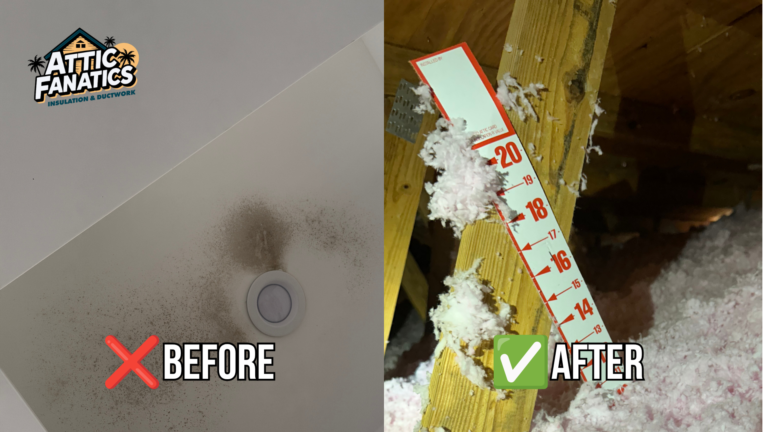
One of the most critical risks of leaving existing attic material in place is the potential for mold development. Moisture-damaged insulation can harbor spores, leading to indoor air quality issues and health concerns. Even minor leaks or condensation can create hidden pockets of damp material, which remain active breeding grounds for mold. These problems often go unnoticed until they manifest as musty odors, discoloration on ceilings, or allergic reactions among residents. Removing compromised insulation is the most effective way to eliminate these risks before adding new materials.
Debris Buildup and Contaminants
 Debris Buildup and Contaminants
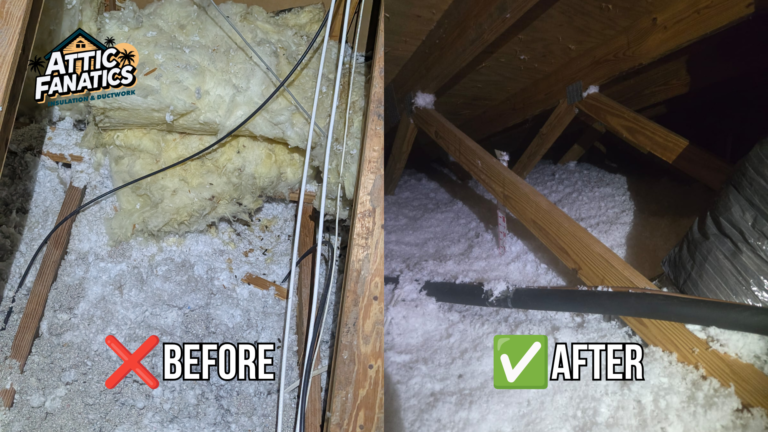
Old insulation is not only vulnerable to moisture; it can also accumulate dust, debris, and other contaminants over years of exposure. Rodents or insects may leave droppings or nests within insulation layers, while airborne particles settle into the fibers. Covering these materials with new insulation traps allergens and debris, reducing indoor air quality and creating an environment that promotes further degradation. A thorough attic cleaning prior to insulation replacement removes these hazards, providing a clean foundation for effective thermal performance.
Why Insulation Replacement Matters
 Why Insulation Replacement Matters
Replacing worn insulation after removal addresses several issues at once:
- Restores Thermal Efficiency: Fresh materials regain the attic’s ability to resist heat transfer, reducing energy costs.
- Prevents Moisture Accumulation: Eliminating damp, degraded insulation allows proper airflow and minimizes future water retention.
- Reduces Mold Risk: New insulation installed on a clean, dry surface is less likely to support microbial growth.
- Supports Structural Longevity: Removing compromised layers prevents hidden weight and moisture from damaging wood beams or rafters.

By prioritizing proper removal and replacement, homeowners ensure that the attic can perform optimally year-round, even under demanding heat and humidity conditions.
Signs It’s Time for Professional Attention
 Signs It’s Time for Professional Attention
Attics rarely display obvious signs of failure, which is why expert assessment is important. Homeowners should be alert to:
- Uneven indoor temperatures despite functional HVAC systems
- Musty or damp odors in upper floors
- Sagging or compressed insulation visible through attic hatches
- Increased allergy symptoms or respiratory irritation
Attic Fanatics emphasizes methodical evaluation, considering both environmental conditions and material history. Their professionals inspect insulation density, moisture retention, and airflow patterns to determine whether removal and replacement are necessary. This approach avoids common pitfalls of shortcuts, ensuring that long-term performance is prioritized over temporary fixes.
Hidden Cost of Covering Old Insulation
 Hidden Cost of Covering Old Insulation
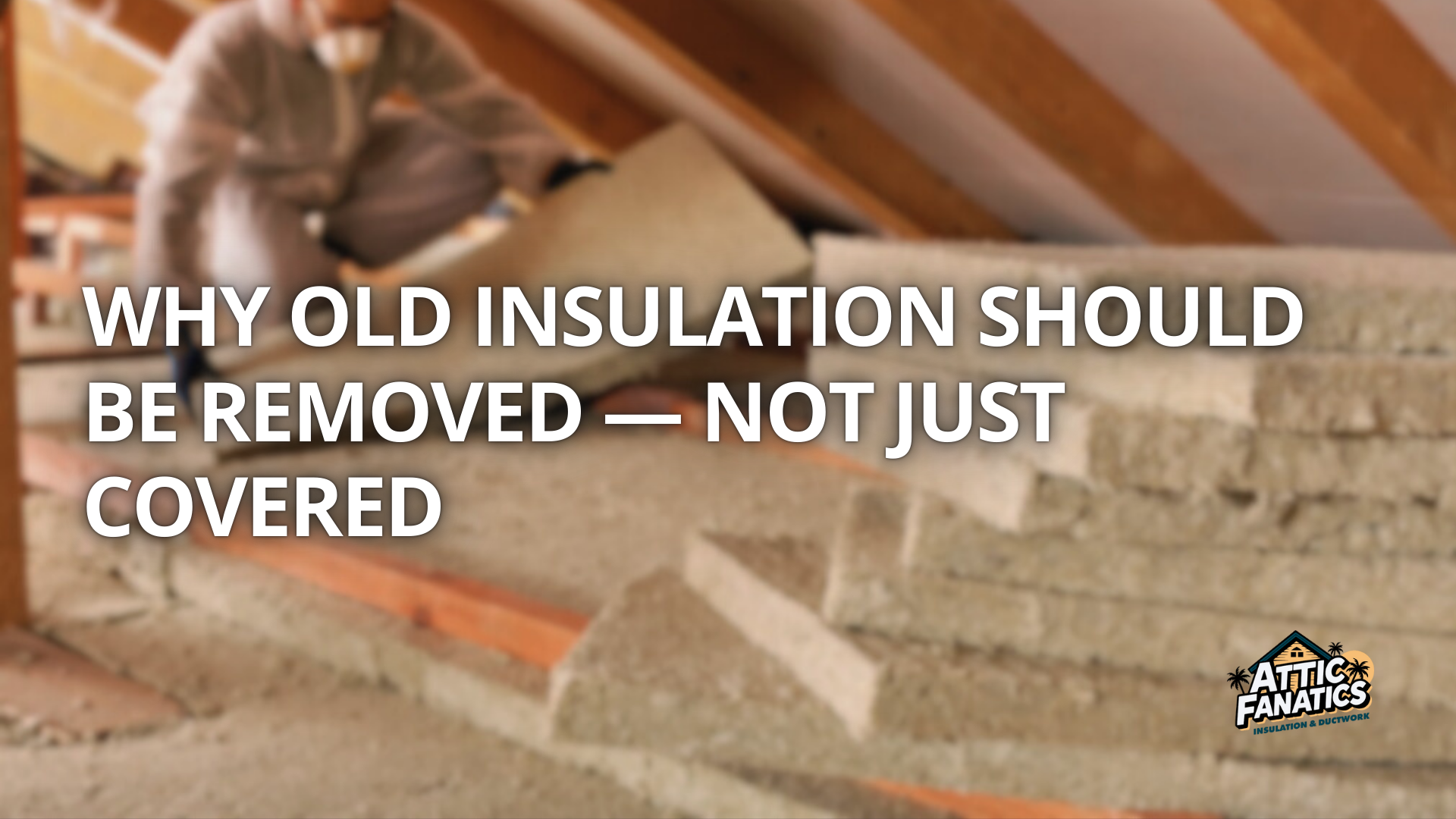
Covering aging insulation without removal may seem cost-effective initially, but it carries hidden risks: trapped moisture can lead to mold, debris buildup can reduce thermal efficiency, and compressed fibers compromise insulation performance. Over time, these issues escalate into energy inefficiency, higher utility bills, and potential structural damage. Professional attic insulation removal addresses these risks, creating a stable, clean foundation for modern materials designed to withstand high humidity and environmental challenges.
Optimizing Attic Performance for the Long Term
 Optimizing Attic Performance for the Long Term
Investing in thorough attic maintenance ensures safety, comfort, and efficiency. After removing worn or degraded layers, professionals can install materials suited to the local climate, ensure proper ventilation, and monitor for any moisture intrusion. Homeowners gain not only improved thermal regulation but also peace of mind knowing their attic is free from hidden hazards that could compromise health or structural integrity.
By addressing underlying issues such as moisture damage, potential microbial growth, debris accumulation, and degraded insulation, homeowners achieve a long-lasting solution that keeps living spaces comfortable, energy-efficient, and safe. In areas where heat and humidity constantly challenge building materials, proactive attic care is not optional; it is essential for long-term home performance.