Why Energy Bills Rise Even After New Attic Insulation 🏠
Installing attic insulation is often seen as a final fix for rising utility costs. Homeowners expect immediate relief on monthly bills, especially after investing in new materials and professional installation. Yet across many homes, energy expenses continue to climb even after upgrades are completed. This disconnect leads to frustration and confusion, but the cause is rarely the insulation alone. In reality, insulation functions as one component within a much larger thermal and airflow system, and when other variables are overlooked, performance suffers.
🌡️ How Insulation Works Within a Larger System
Insulation is designed to slow heat transfer, not eliminate it entirely. Its role is to resist the movement of heat between indoor living spaces and the attic above. When installed correctly and paired with balanced airflow, it helps stabilize indoor temperatures. However, insulation does not operate in isolation. Air movement, moisture behavior, and structural design all influence how well it performs. Treating insulation as a standalone fix ignores the complex physics at play in the attic environment.
🌬️ The Hidden Role of Attic Airflow
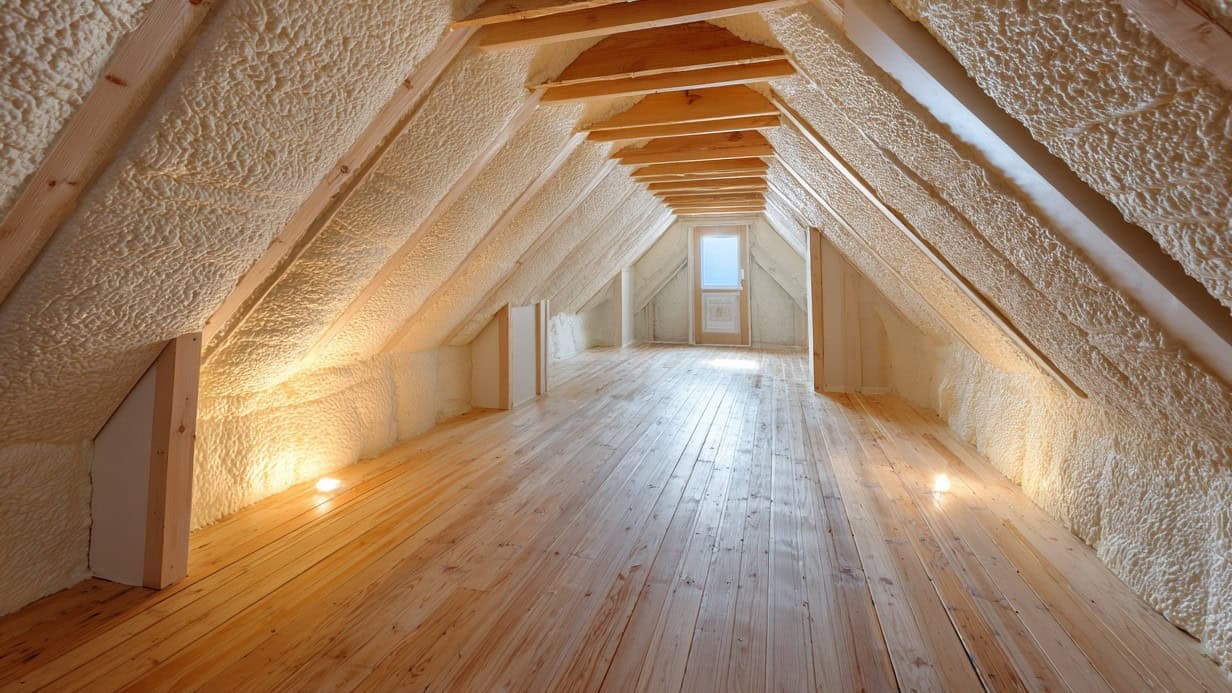
One of the most common reasons energy bills remain high after upgrades is disrupted attic airflow. In warm climates, attics must release accumulated heat efficiently. When airflow pathways are blocked or poorly designed, heat lingers above the ceiling, radiating downward into living spaces. Even well-installed insulation struggles under constant thermal pressure. Improper ventilation design can trap hot, humid air, forcing cooling systems to run longer and harder to maintain comfort.
🔍 Installation Quality and Invisible Weak Points
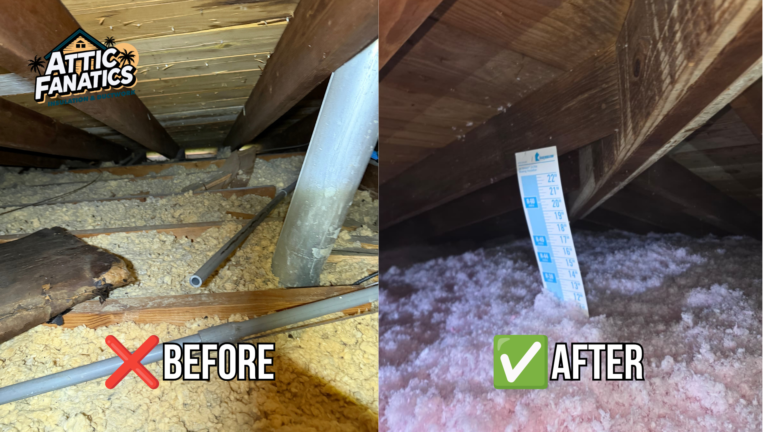
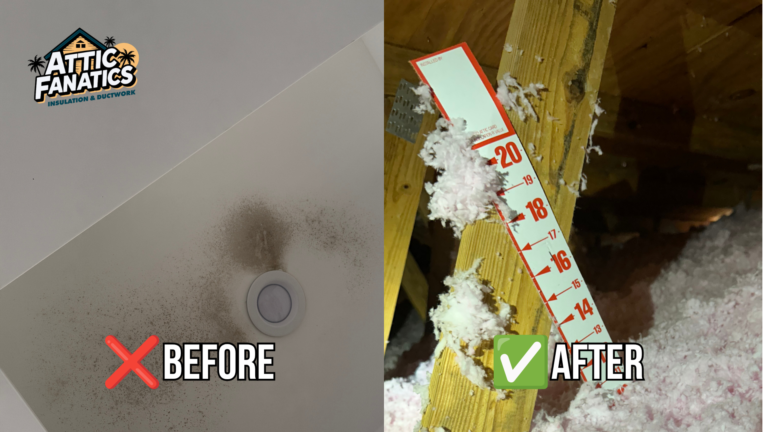
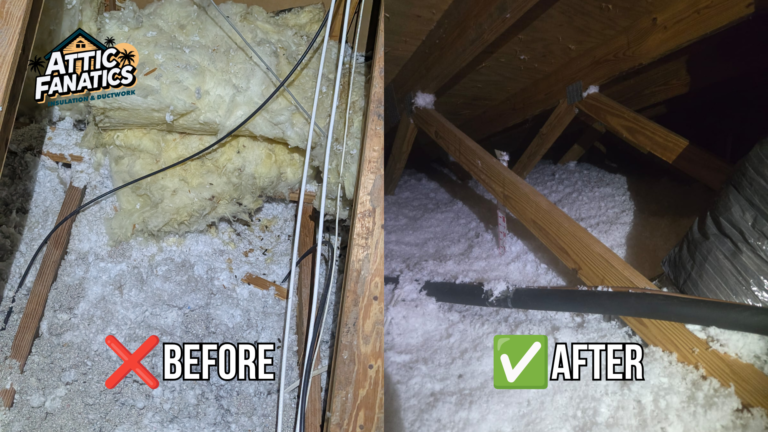
Not all insulation installations deliver uniform coverage. Small insulation gaps around wiring, recessed lights, framing joints, or attic access points allow air to bypass thermal barriers entirely. These openings act as silent channels where conditioned air escapes and outdoor heat enters. Over time, this continuous exchange leads to noticeable energy loss, even though the attic appears fully insulated at a glance. These flaws are rarely visible from the living space below, making them easy to overlook without specialized evaluation.
☀️ Climate Pressure in Florida Homes
The climate adds another layer of complexity. High outdoor temperatures, intense solar exposure, and persistent humidity place constant strain on attic systems. Florida homes experience prolonged cooling seasons, meaning even minor inefficiencies compound quickly. Moist air movement can alter insulation performance over time, while roof surfaces absorb and radiate heat well into the evening hours. Without coordinated airflow management, insulation alone cannot offset these environmental forces.
🧠 Why Insulation Alone Cannot Solve Cooling Demands
Cooling performance depends on how effectively the entire building envelope works together. When insulation is installed without addressing airflow balance, radiant heat sources, or pressure differentials, cooling systems compensate for those weaknesses. This reduces overall cooling efficiency, leading to higher operating costs and increased wear on HVAC equipment. Homes may feel comfortable temporarily, but the system works overtime to sustain that comfort.
🛠️ What Comprehensive Attic Evaluations Reveal
Professionals who specialize in attic systems often uncover issues beyond surface-level upgrades. Detailed assessments examine how air moves, where heat accumulates, and how insulation interacts with surrounding structures. One critical factor is recognizing that insulation effectiveness declines when paired with unmanaged airflow or moisture intrusion. Attic Fanatics focus on identifying these hidden contributors, ensuring that solutions address the entire system rather than a single component.
⚙️ Key Contributors to Ongoing Energy Strain
A single list captures the most common underlying factors that prevent insulation upgrades from delivering expected results:
- 🔥 Persistent heat buildup caused by restricted ventilation pathways
- 🌬️ Air leakage through structural openings that bypass thermal barriers
- 💧 Humidity-driven performance changes within attic materials
🏡 Restoring Balance for Long-Term Performance
Achieving stable indoor comfort requires aligning insulation, airflow design, and climate-specific considerations. When these elements work together, homes experience more consistent temperatures, reduced mechanical strain, and improved energy control. Addressing attic systems holistically helps prevent recurring cost increases and ensures that upgrades deliver lasting value. By viewing insulation as part of an interconnected system rather than a standalone solution, homeowners can finally close the gap between expectation and performance.