Why Cheap Attic Insulation Jobs Cost More Long-Term 🏠
Investing in the cheapest insulation solution may seem appealing at first, but over time, low-cost options often lead to higher expenses, reduced comfort, and avoidable repairs. Many homes face environmental stressors such as high humidity, intense heat, and occasional storms, which amplify the consequences of cutting corners on attic insulation. What initially appears as a small savings can snowball into significant energy waste, structural concerns, and repeated work.
🌡️ How Low-Cost Insulation Fails in Florida Homes
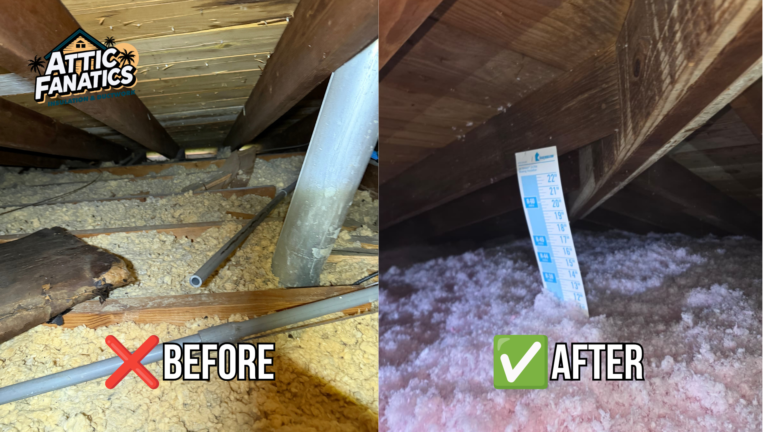
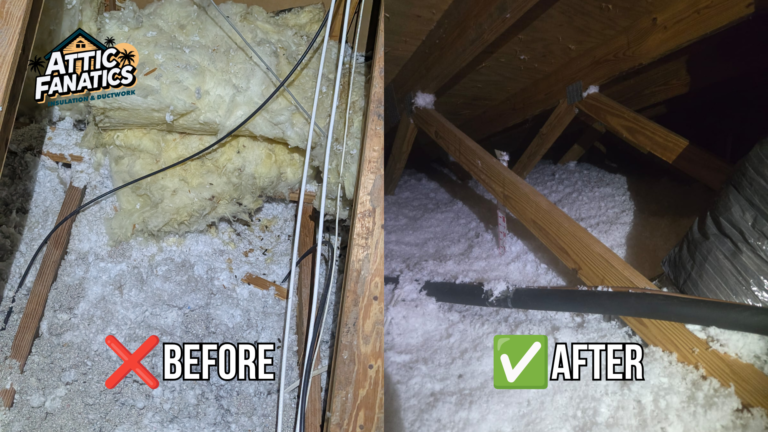
Insulation that is inexpensive or improperly installed is often made from low-quality materials that degrade faster under persistent heat and humidity. Fiberglass, cellulose, or foam products may lose loft, settle unevenly, or absorb moisture, reducing their thermal resistance. Without proper installation, gaps and compression create pathways for hot air to infiltrate living spaces, forcing HVAC systems to work harder. In turn, this increases energy consumption and utility costs, undermining the original intent of saving money.
Installation shortcuts are another factor. Contractors aiming to minimize labor or cut costs may skip critical steps such as sealing vents, securing adequate coverage, or checking for moisture barriers. Over time, these shortcuts exacerbate heat transfer issues, allowing the attic to become a reservoir of warm, humid air. Homes are particularly vulnerable, as high temperatures combined with persistent humidity can speed up material breakdown and create ideal conditions for mold or mildew growth.
💧 Moisture Problems and Long-Term Damage
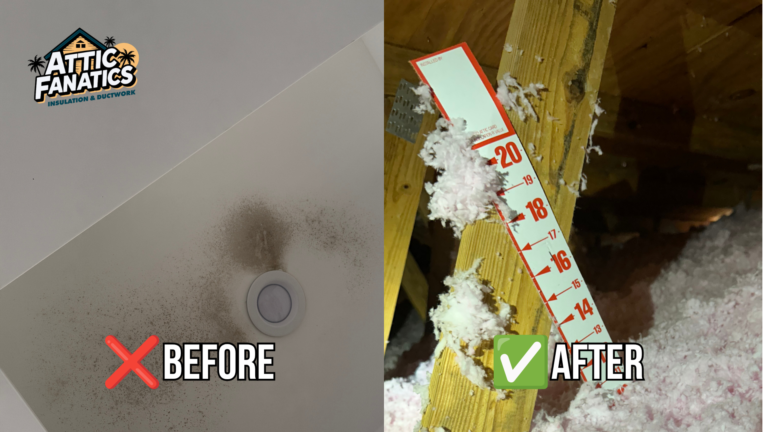
Moisture is one of the most insidious challenges in improperly insulated attics. Even minor leaks or condensation issues can compromise low-quality insulation, leading to sagging, compression, and reduced energy efficiency. Trapped humidity can corrode metal fixtures, degrade wood structures, and promote microbial growth. Homeowners may notice higher indoor humidity, musty odors, or even visible mold spots on ceilings and attic beams signals that the initial cost-cutting approach has backfired.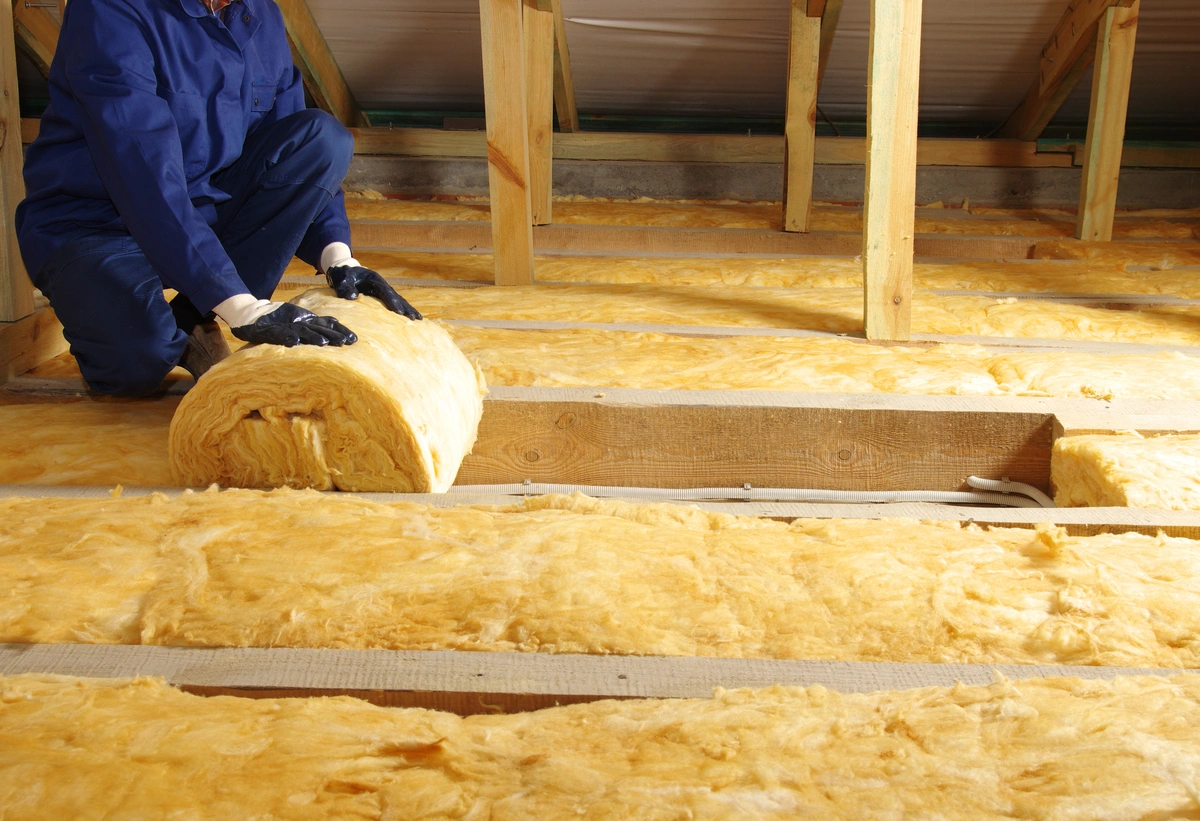
⚡ Hidden Costs of Energy Waste and Repairs
The immediate expense of cheap attic insulation often pales compared to long-term consequences. Homes with inadequate thermal protection experience uneven room temperatures, rising electricity bills, and overworked HVAC systems. The repeated strain increases the likelihood of repairs, mechanical breakdowns, and earlier replacement of heating and cooling units. In addition, gaps or improperly installed sections may require removal of old insulation and full reinstallation sometimes costing more than a high-quality solution would have in the first place.
📝 Key Indicators That Initial Insulation Was Compromised
Homeowners may notice subtle but telling signs that their attic insulation is underperforming:
- 🔹 Uneven Indoor Temperatures: Hot spots in upper rooms and fluctuating comfort levels.
- 🔹 Higher Energy Bills: Rising utility costs despite consistent thermostat settings.
- 🔹 Sagging or Compressed Insulation: Visible gaps or uneven coverage when inspecting the attic.
- 🔹 Moisture Issues: Musty smells, mold spots, or wet insulation fibers.
These indicators signal that what began as a budget-friendly project has become a source of energy inefficiency and potential repair costs.
💡 Why Long-Term Planning Matters
The long-term consequences of a low-cost approach highlight the importance of quality-focused installation. Using durable, moisture-resistant materials and following proper installation procedures prevents common pitfalls associated with low-cost attic projects. Ensuring complete coverage, proper airflow management, and moisture control not only protects the home’s structural integrity but also maximizes energy efficiency. Florida homeowners who invest wisely avoid repeated work and enjoy a more comfortable, predictable living environment.
🏡 Preventing Repeat Work Through Professional Oversight
Getting a professional evaluation from Attic Fanatics can make all the difference in catching attic problems before they turn into bigger issues. Their team checks insulation, airflow, and overall thermal performance, then suggests improvements that actually fit your home and Florida’s climate. Focusing on quality over cheap shortcuts helps homeowners protect their investment, keep energy use in check, and avoid bigger maintenance headaches down the road.
🌞 Balancing Cost and Quality for Lasting Efficiency
Using durable, moisture-resistant materials and following proper installation procedures prevents common pitfalls associated with low-cost attic solutions. Homes in hot and humid climates face unique environmental pressures, making durable, expertly installed insulation essential. Choosing materials and installation methods designed to withstand heat, humidity, and airflow challenges helps your attic function efficiently for years. It reduces unnecessary energy consumption, minimizes repair costs, and safeguards the home’s overall comfort.
By taking a proactive, quality-focused approach, homeowners turn their attic from a source of inefficiency into a foundation for long-term energy savings and structural resilience.