Which Attic Insulation Lasts Longer? Full Guide 🏠
Insulation is designed to perform for years, but not every material ages the same way. Some gradually lose effectiveness through settling or moisture exposure, while others maintain stable performance for decades with minimal change.
The real question isn’t just how long insulation lasts on paper, it’s how well it continues performing under real conditions inside a home. Temperature swings, humidity, airflow, and installation quality all influence long-term durability.
⏳ What Determines Insulation Lifespan
Several factors affect how long insulation remains effective. Material composition is important, but environmental conditions and installation quality often have an even bigger impact.
In how long does attic insulation last evaluations, professionals look at moisture exposure, air movement, and whether the material has shifted or compressed over time.
🧱 Lifespan of Common Materials
🧵 Fiberglass Durability
Alt text: Technician installing fibreglass insulation inside residential wall framing.
Fiberglass is known for its long service life when kept dry and undisturbed. Because it does not easily break down, it can remain effective for decades under stable conditions.
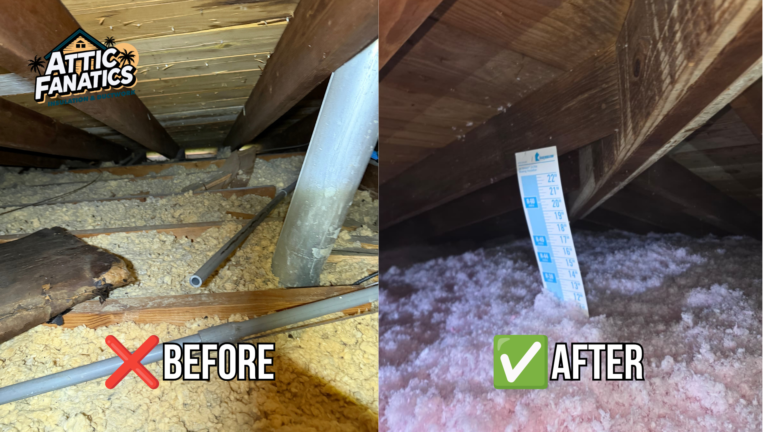
However, compression or moisture exposure can reduce its thermal performance significantly.
🌿 Cellulose Aging Process
Cellulose insulation is dense and effective at filling gaps, but it can settle gradually over time. This settling may reduce coverage in certain areas if the material is not installed properly.
Moisture exposure also affects its long-term condition more than some other materials.
🧪 Spray Foam Longevity
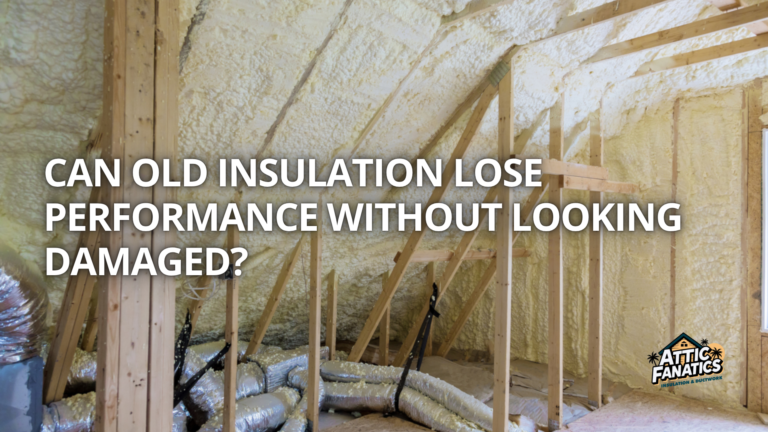
Spray foam is one of the most durable insulation types available. Because it hardens into place and seals gaps simultaneously, it resists shifting and air leakage over time.
These characteristics are often highlighted in spray foam insulation lifespan comparisons when evaluating long-term stability.
⚠️ What Shortens Insulation Life
💧 Moisture Damage
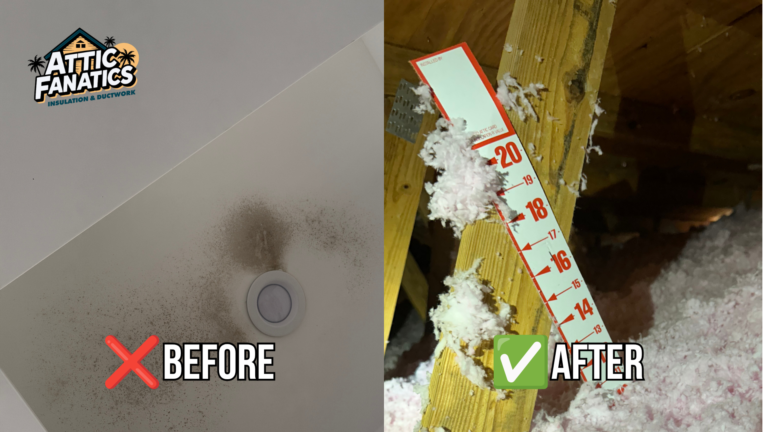
Water is one of the biggest threats to insulation performance. Moisture can weaken materials, reduce thermal resistance, and create conditions for mold growth.
Even small leaks can cause gradual deterioration if left unresolved.
🚧 Poor Installation
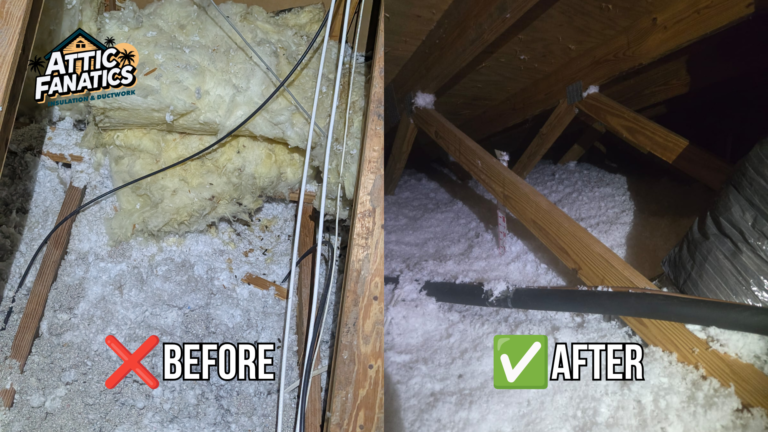
Improper installation can shorten lifespan from the start. Gaps, uneven coverage, or compressed material reduce effectiveness and place extra strain on the insulation system.
🐭 Pest Issues
Rodents and insects can damage insulation by creating tunnels or contaminating materials. This not only lowers efficiency but can also create health concerns inside the home.
- 💧 Moisture reducing thermal performance
- 🧱 Compressed or uneven material placement
- 🐭 Pest activity damaging coverage areas
- 🌡️ Constant heat exposure accelerating wear
These conditions play a major role in insulation lifespan comparison evaluations across different material types.
🔍 Signs Insulation Needs Replacement
🌡️ Uneven Temperatures
Rooms that suddenly feel hotter or colder than usual may indicate declining insulation performance. This often happens when material settles or loses effectiveness.
💸 Rising Energy Bills
Higher utility costs can signal that the home is losing conditioned air more quickly than before. Reduced insulation performance forces cooling systems to run longer.
👀 Visible Damage in the Upper Space
Discoloration, moisture stains, compressed areas, or visible deterioration are strong signs that insulation may need attention.
These are common attic insulation replacement signs that should not be ignored.
🛠️ How Attic Fanatics Ensure Long-Lasting Results
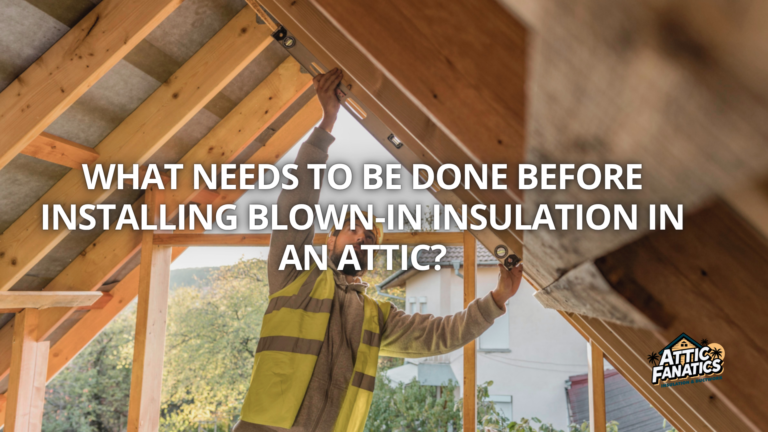
Long-term performance depends heavily on proper installation and environmental control. Professionals evaluate airflow, moisture risks, and structural conditions before selecting materials.
A well-planned installation helps insulation maintain its shape, resistance, and effectiveness for many years without unnecessary deterioration.
🌿 Durability Depends on More Than Material Alone
Even high-quality insulation can fail early if conditions inside the home are not properly managed. Moisture, poor ventilation, and installation issues all affect how long materials continue performing efficiently.
By combining the right insulation type with proper airflow and maintenance, homeowners can improve durability, maintain comfort, and reduce the likelihood of early replacement.
❓ Common Questions About Insulation Lifespan
❓How long does attic insulation last?
❓Which insulation has the longest lifespan?
❓Does insulation wear out over time?
❓When should insulation be replaced?