What Happens When Your Attic Can’t Breathe 


If your home feels warmer than it should or your AC runs constantly, the issue may be trapped above your ceiling. An attic that can’t “breathe” holds onto heat and moisture, creating conditions that affect the entire house.
This hidden imbalance often builds slowly but leads to noticeable comfort problems over time.
Why Attic Airflow Is Critical for Your Home
 Why Attic Airflow Is Critical for Your Home
A well-functioning attic allows fresh air to move in and out, preventing heat from getting trapped. This natural exchange helps regulate temperature and protects the structure from excess humidity.
When air circulation is balanced, your home stays cooler and systems operate more efficiently. Without it, conditions inside the attic can quickly become extreme.
What Happens When Ventilation Is Poor
 What Happens When Ventilation Is Poor
 Heat Buildup
 Heat Buildup
During the day, the attic absorbs intense heat from the roof. Without proper movement of air, that heat becomes trapped and radiates downward into living spaces.
This creates a constant thermal load that makes indoor cooling more difficult. Many homes experience heat buildup attic conditions that push temperatures higher than expected.
Moisture Accumulation
 Moisture Accumulation
Warm air often carries moisture. When it gets trapped, condensation can form on surfaces inside the attic. Over time, this leads to damp conditions that affect materials and overall structure.
Moisture buildup can also contribute to odor, material deterioration, and reduced indoor comfort.
Reduced Insulation Performance
 Reduced Insulation Performance
Insulation is designed to resist heat transfer, but its effectiveness drops when exposed to excessive warmth or dampness.
When ventilation is poor, insulation can lose its ability to maintain stable indoor temperatures, leading to increased energy use and reduced efficiency.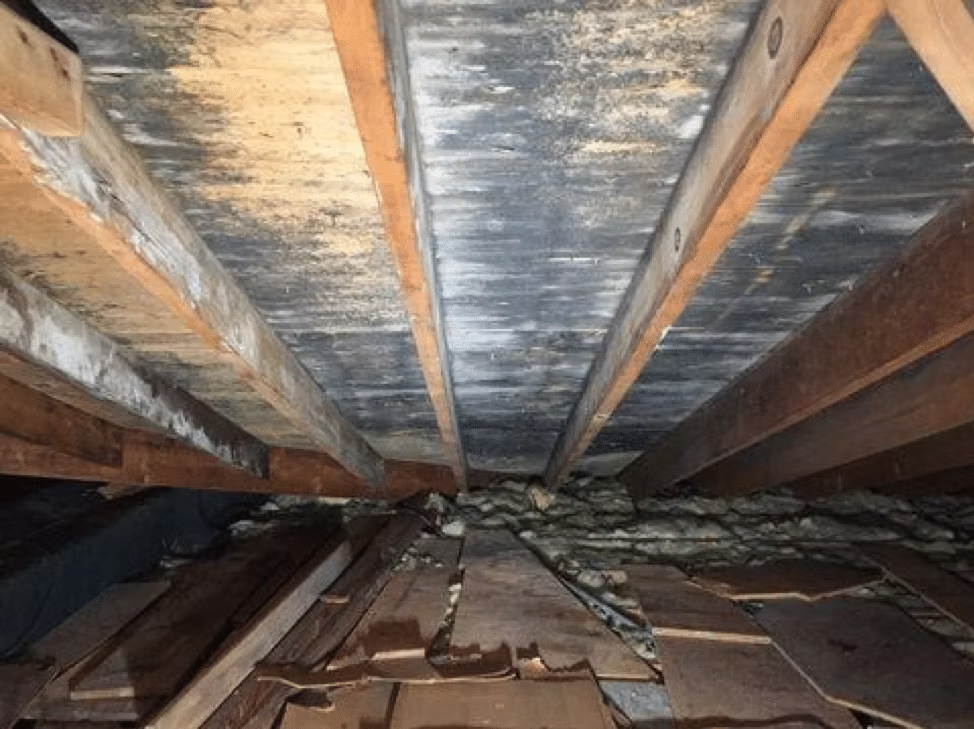
How Poor Air Movement Affects Your Living Space
 How Poor Air Movement Affects Your Living Space
 Higher Indoor Temperatures
Trapped heat above the ceiling makes rooms feel warmer, especially during peak daytime hours. Upper floors are often affected the most.
This added warmth forces your cooling system to work harder just to maintain a basic comfort level. Over time, rooms may never feel consistently cool, even when the AC is running continuously.
Increased Cooling Costs
 Increased Cooling Costs
When heat continuously enters the living space, your cooling system runs longer to compensate. This leads to higher energy use and rising monthly costs. Extended runtime also increases wear on system components, leading to more frequent maintenance needs. Over time, this added strain can shorten the lifespan of your cooling equipment.
Ongoing Comfort Issues
 Ongoing Comfort Issues
Uneven temperatures, stuffy rooms, and inconsistent cooling are common signs of airflow problems home conditions. These issues can make it difficult to maintain a comfortable environment. Some areas may feel too warm while others remain cooler, creating imbalance throughout the home. This inconsistency affects daily comfort and makes temperature control frustrating.
How to Improve Attic Ventilation in Florida
 How to Improve Attic Ventilation in Florida
 Vent Installation
 Vent Installation
Installing intake and exhaust vents allows fresh air to enter and hot air to escape. A balanced ventilation system attic setup helps regulate temperature and reduces trapped heat.
Airflow Optimization
 Airflow Optimization
Ensuring proper pathways for air movement is essential. Clearing blockages and improving circulation patterns can significantly enhance attic performance.
Combining Insulation and Ventilation
Insulation and ventilation work together. While insulation slows heat transfer, proper ventilation removes excess heat and supports attic moisture control.
Why Balanced Air Movement Improves Efficiency
 Why Balanced Air Movement Improves Efficiency
When the attic maintains stable conditions, the entire home benefits. Heat is reduced, moisture stays under control, and indoor temperatures remain more consistent. Improving attic ventilation issues helps cooling systems operate more effectively while supporting long-term structural health. It also reduces unnecessary strain on your system, helping it run more efficiently throughout the day. As a result, your home stays comfortable with less effort and more consistent temperature control.