Too Much Attic Insulation? Here’s What Happens
Adding more insulation sounds like an easy way to make a home more comfortable. Many homeowners assume that a thicker layer automatically means better energy savings, lower bills, and improved performance.
However, insulation works best when the entire attic system is properly balanced. Too much material, poor placement, or blocked ventilation can create new problems instead of solving existing ones.
Why More Insulation Is Not Always Better
Insulation is designed to slow heat movement, but it must work together with ventilation and moisture control. Adding excessive layers without evaluating the current condition of the space can interfere with how the system performs.
A successful attic insulation upgrade depends on installing the correct amount of material while maintaining proper ventilation paths and preventing hidden issues.
How Excess Material Affects Performance
Once insulation reaches the recommended level, adding more does not always provide noticeable benefits. After a certain point, the improvement becomes smaller while the risk of improper installation increases. Too much material in the wrong areas may cover important openings, restrict movement of fresh air, or create areas where heat remains trapped.
Why Proper Installation Matters
The effectiveness of insulation depends on correct placement, coverage, and preparation. Uneven layers, compressed sections, or blocked areas reduce performance even if a large amount of material is installed. Quality installation focuses on creating an efficient system rather than simply adding thickness.
The Connection Between Attic Ventilation and Insulation
A healthy attic requires balance between insulation and controlled air movement. These two systems support each other and should not be treated separately. Proper attic ventilation helps release excess heat and moisture while allowing insulation to perform as intended.
Moisture and Condensation Problems
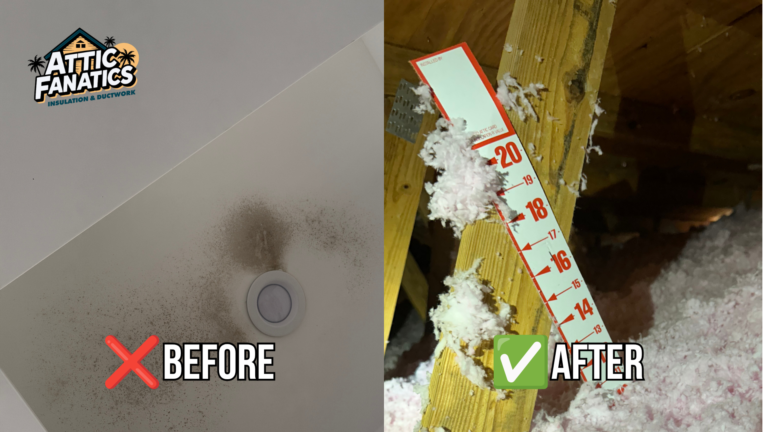
When ventilation is blocked, humidity can become trapped. Over time, this can lead to condensation forming on surfaces inside the space. Persistent moisture may affect wood structures, reduce insulation performance, and increase the risk of mold development.
Blocked Soffits and Air Movement Issues
Soffits allow outside air to enter and help maintain proper circulation beneath the roof. When insulation covers these areas, natural movement becomes restricted.
This can contribute to overheating during warmer months and moisture concerns during changing weather conditions.
Understanding R30 Insulation and Proper Levels
Choosing the right amount of insulation depends on climate, home design, and existing material conditions. The goal is reaching an effective level without creating unnecessary buildup.
What R-Value Actually Means
R-value measures how well insulation resists heat transfer. Higher numbers indicate greater resistance, but that does not mean unlimited increases create unlimited benefits. R30 insulation is commonly discussed because different areas require specific performance levels based on building needs and climate recommendations.
Why Balance Matters More Than Thickness
A properly designed system considers insulation depth, ventilation, sealing, and moisture protection together.
- 🌬️ Maintain clear ventilation pathways
- 💧 Prevent trapped moisture and condensation
- 🏠 Keep soffits open for proper circulation
- 🌡️ Avoid unnecessary heat buildup
These factors help create long-term performance instead of relying only on adding more material.
Common Problems Caused by Excess Insulation
Too much insulation usually becomes a problem when it interferes with other parts of the attic system.
Overheating Concerns
Restricted ventilation can trap heat beneath the roof. This makes temperature regulation harder and may place additional stress on cooling systems. A properly planned setup allows heat to escape while still protecting indoor comfort.
Reduced Airflow
When insulation blocks ventilation channels, airflow becomes limited. This can create uneven temperatures and increase the chance of moisture-related issues. Maintaining open pathways is essential for keeping the space efficient and protected.
How Attic Fanatics Ensures Proper Installation
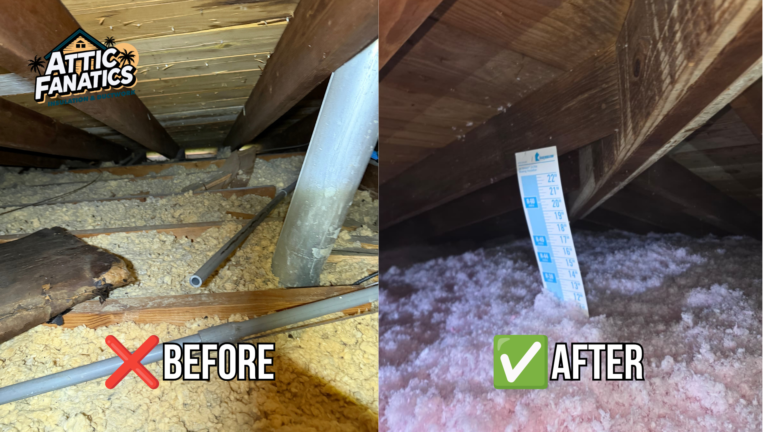
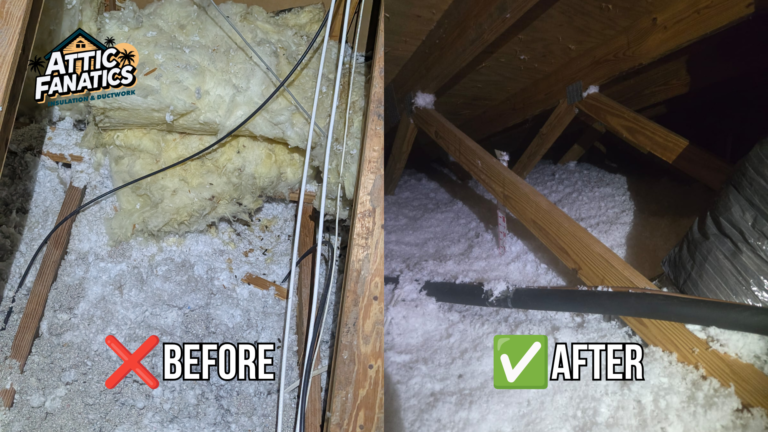
Every attic has different challenges, which is why Attic Fanatics starts by evaluating insulation levels, ventilation, and any conditions that may be affecting overall performance. Instead of recommending the same approach for every home, they look at how the entire attic system works together. Taking ventilation, moisture management, and energy efficiency into account allows them to recommend improvements that deliver reliable, long-term results.
Creating an Efficient Attic System
The best insulation approach is not always adding more. It is about installing the correct amount in the right way while supporting the overall health of the home. A balanced system helps improve comfort, reduce energy waste, and protect the structure from problems caused by trapped heat or moisture.