Is Your Old Attic Insulation Contaminating Your Home’s Air? 🌬️🏠
Many homeowners focus on cleaning vents or replacing air filters when indoor air feels dusty. However, one hidden source of pollution often sits just above the ceiling. Aging insulation can slowly break down and release particles that circulate through the home.
When insulation materials deteriorate, they may contribute to poor indoor air quality and introduce irritants into living spaces without homeowners realizing it.
🌫️ How Aging Insulation Becomes an Airborne Problem
Over time, insulation loses its structure. Fibers loosen, materials settle, and tiny fragments begin moving through the attic. As air circulates through vents and duct pathways, those particles can travel downward into rooms where families spend most of their time.
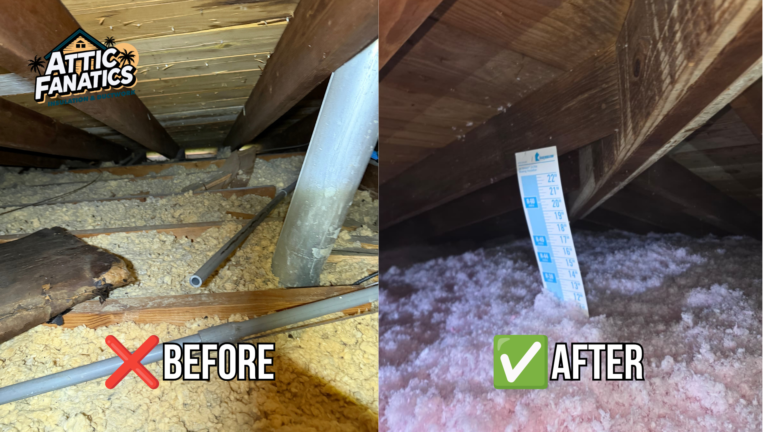
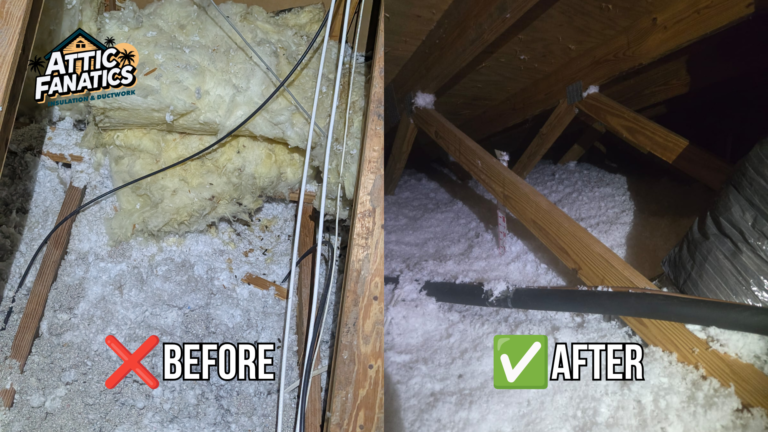
Many older homes contain old fiberglass insulation that gradually breaks apart after years of heat exposure and humidity. Once disturbed by airflow, small fibers may enter ventilation systems and spread through the house.
These airborne particles do not always remain visible. Instead, they mix with normal household dust and continue circulating through the HVAC system.
🦠 What Can Be Hiding Inside Old Attic Insulation
Insulation that has been in place for decades often collects contaminants that affect the home’s breathing environment. Heat, moisture, and poor ventilation allow various irritants to accumulate inside the attic space.
Common contaminants found in aging insulation include:
- 🐜 Dust mites that thrive in warm, undisturbed attic materials
- 🌿 Allergens carried into the attic through ventilation or small openings
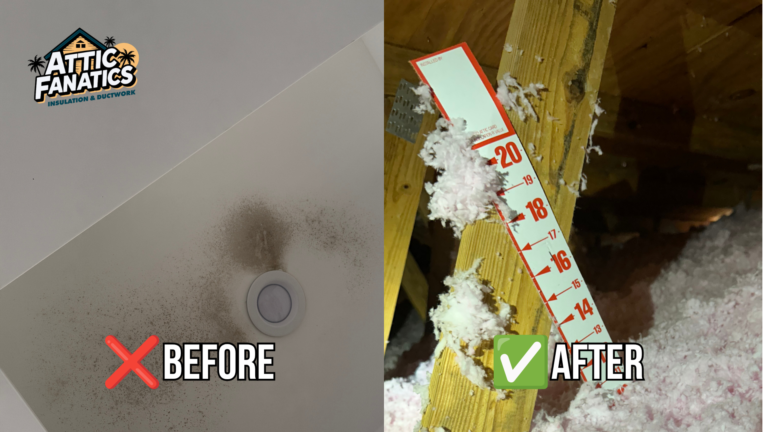
- 🦠 Mold spores that develop when humidity becomes trapped in insulation layers
- 🌬️ Loose fibers and dust particles released as insulation compresses and breaks down
When these materials circulate through ducts, they may worsen respiratory irritation and increase household dust levels.
🔍 Why Air Problems Often Start in the Attic
Attics function as the boundary between outdoor conditions and indoor comfort. If insulation deteriorates, the barrier protecting the living space weakens.
Air movement plays a major role in this process. As HVAC systems cycle on and off, pressure differences pull attic air toward the ductwork. Small gaps around vents, wiring openings, and ceiling fixtures allow contaminants to move into conditioned areas.
Once these particles enter the airflow, they spread throughout the home. Residents may notice persistent dust buildup, musty odors, or allergy symptoms even after regular cleaning.
🧹 Why Removing Contaminated Insulation Matters
When insulation becomes saturated with debris or biological contaminants, simply adding new material on top rarely solves the problem. In many cases, the underlying layers continue releasing particles into the attic environment.
This is why attic insulation removal is often the first step toward restoring a healthier environment inside the home. Removing degraded material eliminates a major source of dust and biological contaminants that may be circulating through ventilation pathways.
Professionals can safely extract insulation while preventing particles from spreading into living areas during the process.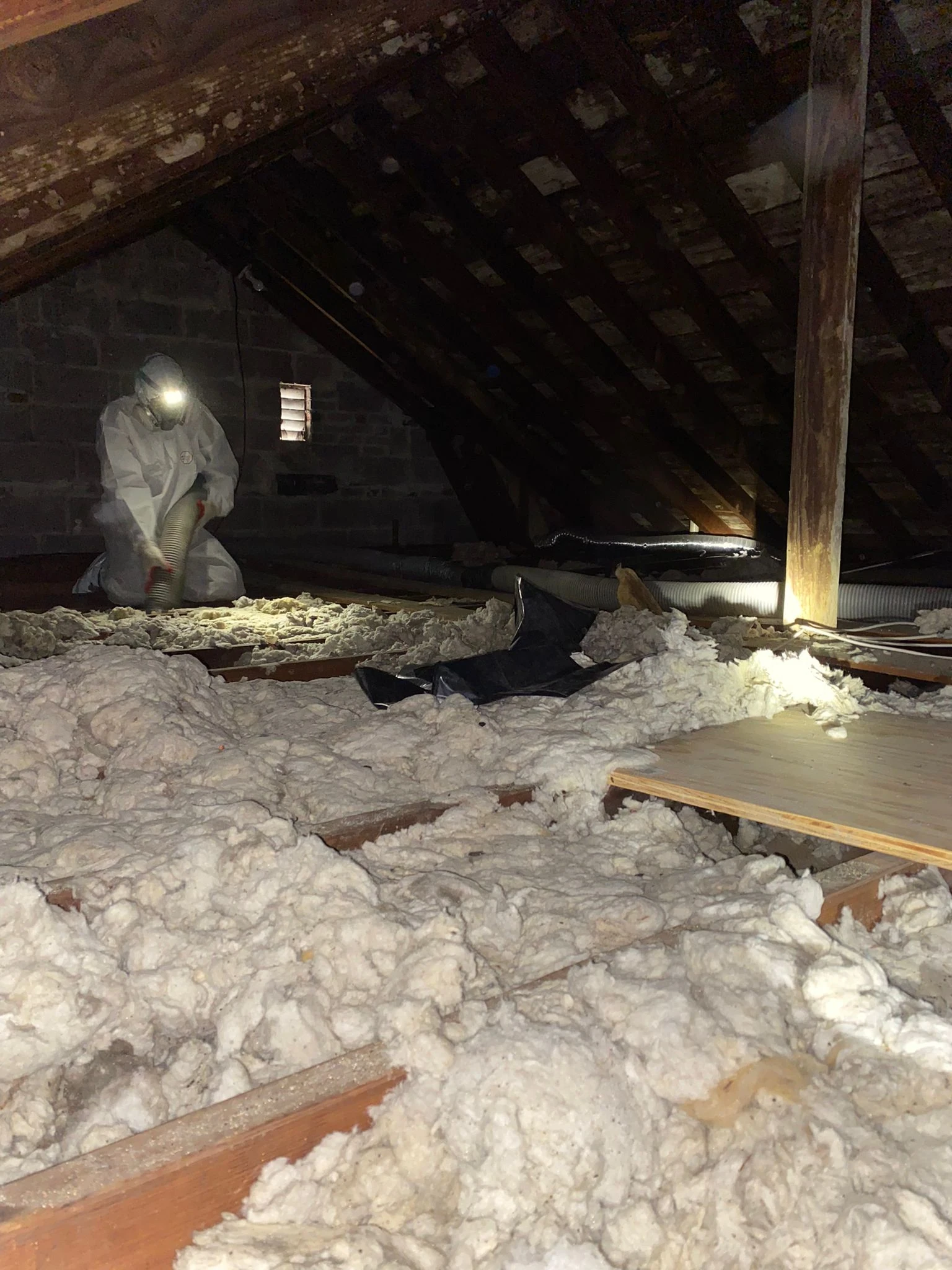
🏠 The Role of Professional Cleaning in Healthier Attics
Once damaged insulation is removed, the attic space itself must also be addressed. Debris, residues, and hidden contamination can remain on surfaces even after insulation is cleared out.
Attic Fanatics specializes in professional cleaning designed to address these hidden issues. Their approach focuses on clearing contaminated materials, sanitizing affected areas, and preparing the attic for modern insulation systems that help protect air quality moving forward.
By eliminating the buildup that accumulates over years, the attic becomes a cleaner and safer environment for the entire home.
🌿 Creating a Healthier Indoor Environment
Clean insulation plays a major role in maintaining comfortable and healthy living spaces. When attic materials remain intact and free from contamination, they help protect the home from dust circulation and airborne irritants.
Homes with updated insulation and properly maintained attic systems often experience fewer dust problems and more stable indoor conditions. Removing degraded materials and addressing hidden contaminants helps restore the protective barrier above the ceiling.
With the right approach, the attic can return to its intended role—supporting comfort, efficiency, and healthier air throughout the home.