Best Attic Insulation Options for Older Homes 

Older homes were built during a time when energy efficiency standards looked very different from today. Many of these properties were designed with minimal attic insulation, limited airflow planning, and structural gaps that slowly worsen over decades.
That’s why upgrading insulation in an aging home requires more than simply adding new material. The structure, ventilation, and condition of the upper areas all influence how well the upgrade will perform long term.
Why Older Homes Need Special Insulation
 Why Older Homes Need Special Insulation
Homes built decades ago often lose conditioned air faster than newer properties. Small cracks around framing, outdated materials, and shifting structures allow heat and moisture to move more freely through the home.
In insulation for older homes attic projects, the goal is not only improving temperature control but also correcting inefficiencies that developed over time.
Common Problems in Older Properties
 Common Problems in Older Properties
 Air Leaks and Gaps
 Air Leaks and Gaps
Older construction methods often leave hidden openings around ceilings, vents, and framing joints. These gaps allow warm air to escape during cooler months and let heat enter during warmer seasons.
Even small openings can significantly reduce insulation effectiveness.
Outdated Ventilation Systems
 Outdated Ventilation Systems
Many older houses were not designed with modern ventilation standards in mind. Poor airflow allows heat and humidity to accumulate beneath the roof, creating uncomfortable indoor conditions.
Without balanced ventilation, insulation performance declines more quickly over time.
Moisture Buildup
 Moisture Buildup
Aging roofs, worn materials, and weak airflow increase the risk of trapped moisture. Over time, this can lead to wood deterioration, mold growth, and reduced thermal performance.
These conditions are common in best attic insulation vintage houses evaluations where long-term exposure has affected the structure.
Best Insulation Materials for Older Homes
 Best Insulation Materials for Older Homes
 Fiberglass Advantages
 Fiberglass Advantages
Fiberglass remains a practical option for many older homes because it is lightweight and relatively easy to install. It works well in spaces where maintaining ventilation is important.
Cellulose Benefits
 Cellulose Benefits
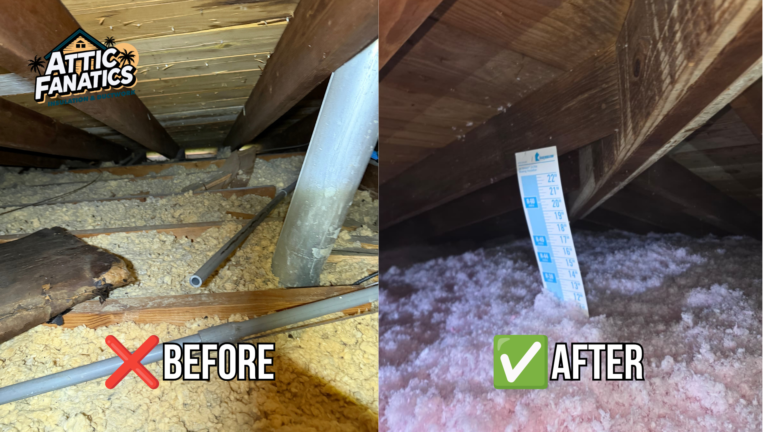
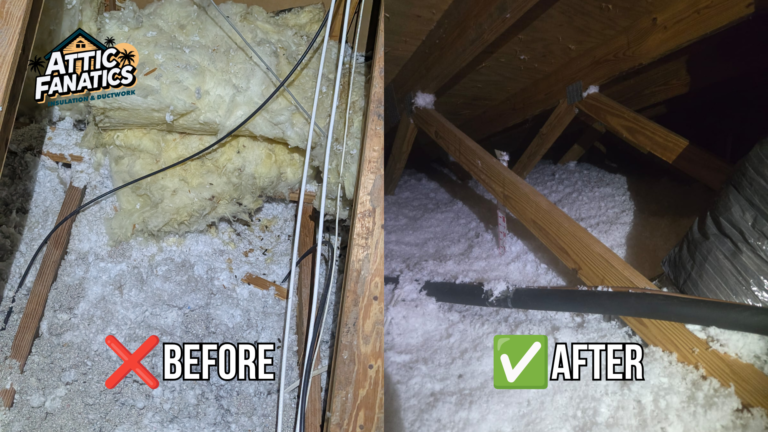
Cellulose is especially effective in older structures because it fills irregular gaps and uneven cavities more thoroughly. Its dense application helps reduce unwanted air movement.
Spray Foam Upgrades
 Spray Foam Upgrades
Spray foam provides both insulation and air sealing in one application. It can improve efficiency significantly in homes with persistent leakage issues, though structural condition must be evaluated before installation.
Each material offers different benefits depending on the home’s layout, ventilation, and condition.
What Should Be Fixed Before Insulation
 What Should Be Fixed Before Insulation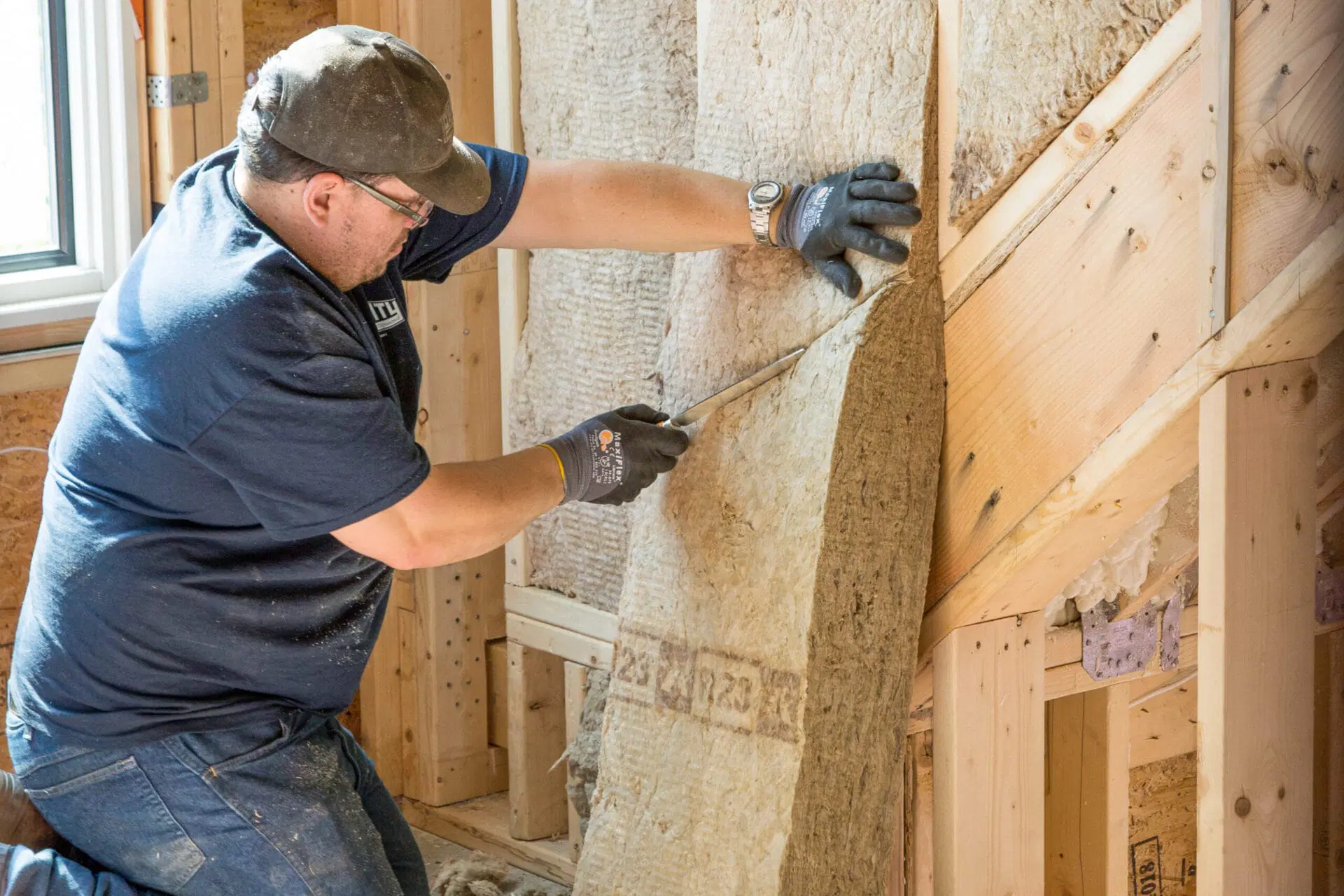
Air Sealing
 Air Sealing
Sealing cracks and openings before installation prevents conditioned air from escaping. This step improves overall performance and supports better temperature stability.
Proper air sealing in old home projects is often just as important as the insulation itself.
Structural Repairs
Weak or damaged areas should be repaired before adding new materials. Insulation performs best when installed over stable and secure surfaces.
Mold Prevention
 Mold Prevention
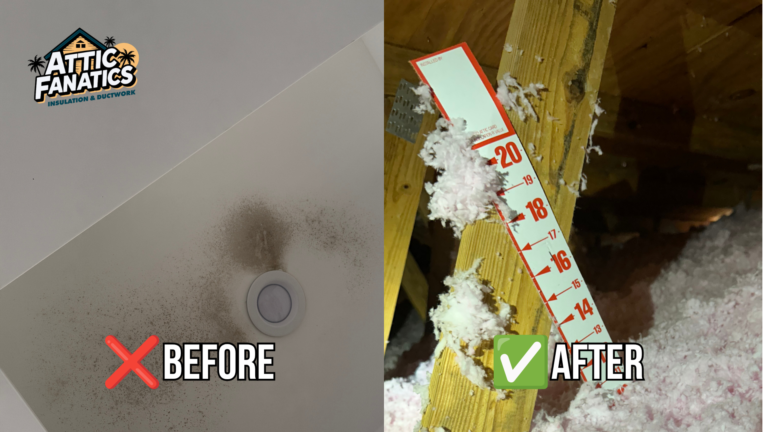
Any signs of moisture or mold should be addressed before installation begins. Covering these problems without resolving them can lead to larger issues later.
- Hidden gaps reducing efficiency
- Moisture affecting structural materials
- Weak surfaces needing repair
- Mold risks caused by trapped humidity
These issues should be corrected before upgrading insulation systems.
How Attic Fanatics Modernize Older Roof Spaces
Improving older homes requires balancing efficiency with the original structure. Professionals evaluate airflow, material condition, and existing insulation before recommending upgrades.
A careful approach helps preserve the home’s integrity while improving comfort, temperature control, and overall energy performance.
Upgrading Older Homes the Right Way
Older houses often have unique structural challenges that newer homes don’t face. Choosing the right insulation and addressing hidden inefficiencies creates a more comfortable and stable indoor environment.
When upgrades are matched to the home’s condition and design, the result is better efficiency, improved airflow, and stronger long-term performance without compromising the structure itself.