 Duct Replacement: The Hidden Cost of Waiting
 Duct Replacement: The Hidden Cost of Waiting
Most homeowners don’t think twice about their ductwork until rooms start feeling unevenly heated, air quality drops, or energy bills quietly climb month after month. Behind your walls and attic, aging ducts may be leaking conditioned air, forcing your HVAC system to work harder and your comfort to suffer.
Ducts are the lungs of your home. When they deteriorate or become clogged with debris, the entire system pays the price with wasted energy, poor airflow, and a steady decline in indoor air quality.
The Warning Signs of Failing Ductwork
 The Warning Signs of Failing Ductwork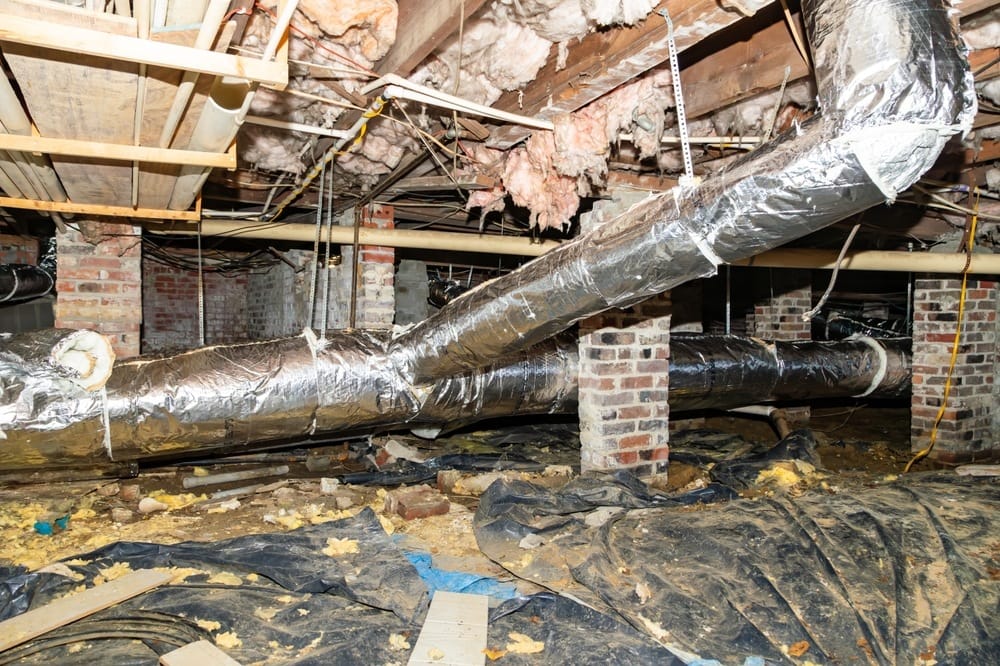
Ducts don’t suddenly fail overnight; they wear out slowly, showing subtle symptoms that are easy to ignore:
- Uneven heating or cooling in different rooms
- Higher-than-usual energy bills
- Noticeable dust buildup or musty odors
- Whistling or rattling sounds from vents
These clues often point to cracks, gaps, or disconnected sections in the ducts. Once air begins escaping through leaks, your HVAC system must run longer to maintain temperature driving up costs and stressing components. Timely action to replace ductwork in attic areas can prevent major energy loss and restore efficiency before small leaks become costly problems.
Why Neglecting Duct Replacement Costs More
 Why Neglecting Duct Replacement Costs More
Old or damaged ducts don’t just waste air they waste money. A poorly sealed duct system can lose up to 30% of conditioned air before it reaches your rooms. Over time, that adds up to hundreds of dollars in unnecessary energy costs each year.
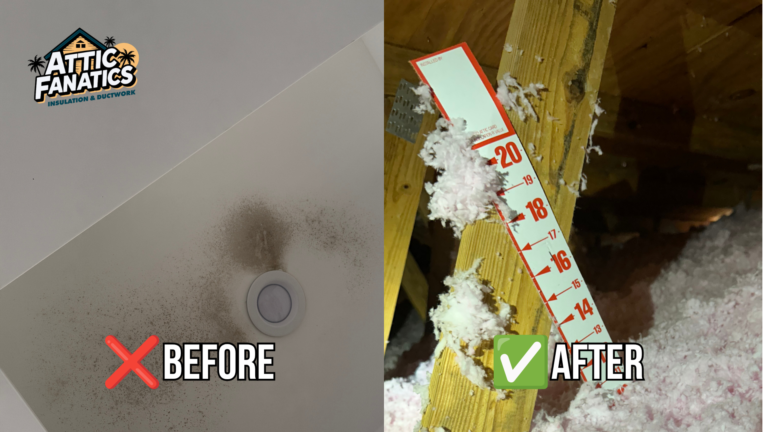
Beyond the financial impact, leaky ducts allow contaminants from the attic, crawl spaces, or insulation to circulate through your living areas. This can worsen allergies, spread mold spores, and make indoor air feel heavy and uncomfortable.
Ignoring duct issues often leads to premature wear on your HVAC unit forcing replacements earlier than expected. Replacing damaged ducts at the right time saves energy, preserves your system, and improves overall home comfort.
Inside the Duct Replacement Process
 Inside the Duct Replacement Process
When duct systems reach the end of their lifespan, professionals begin by inspecting the entire network locating leaks, corrosion, and insulation damage. Once assessed, the old materials are carefully removed and replaced with new, properly sized ducts designed to maximize airflow.
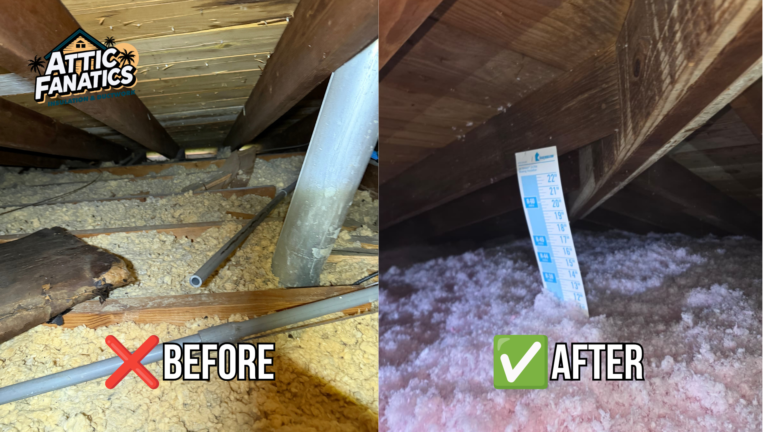
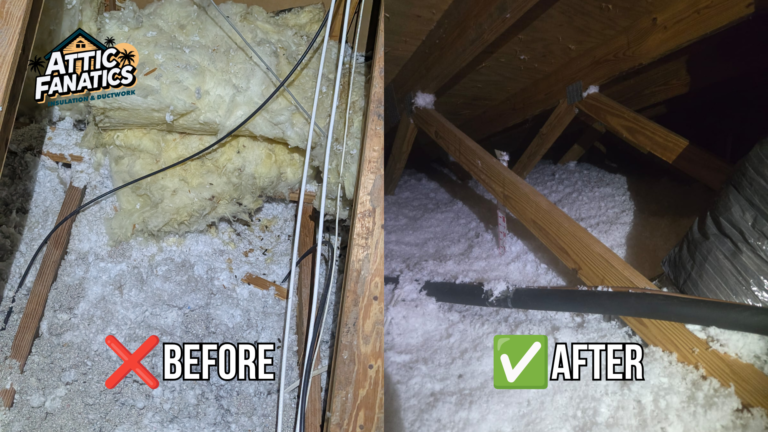
This process often includes attic insulation removal and replacement, ensuring that both the duct system and insulation perform efficiently together. Proper sealing, insulation, and balancing of airflow make a dramatic difference in comfort, helping your HVAC system run quietly and effectively.
How Often Should You Replace Insulation?
 How Often Should You Replace Insulation?
While ductwork can last 15–25 years depending on care and material, insulation typically degrades sooner. Homeowners often ask, how often should attic insulation be replaced and the answer depends on age, moisture exposure, and pest activity. If your insulation looks flattened, damp, or dusty, it’s likely time for an upgrade.
Attic Fanatics recommends evaluating your insulation during duct replacement to maintain consistent comfort and efficiency. Fresh insulation reduces air loss, boosts HVAC performance, and keeps indoor air cleaner year-round.
Breathing Easier With a Fresh Start
 Breathing Easier With a Fresh Start
Replacing old ductwork may not be glamorous, but it’s one of the smartest home improvements you can make. Fresh ducts and insulation mean cleaner air, steadier temperatures, and fewer surprises on your energy bill.
By tackling these hidden problems before they worsen, you invest in a healthier, more efficient home one that breathes as easily as you do.