Fiberglass vs Cellulose Attic Insulation Comparison 🏠
Choosing attic insulation isn’t just about picking a material, it’s about how that material performs over time inside your home. Two of the most common options, fiberglass and cellulose, behave very differently once installed.
What works well in one home may underperform in another, depending on structure, climate, and how the space above your ceiling is used. That’s why comparing these materials properly matters before making a decision.
🧵 Overview of Fiberglass Insulation
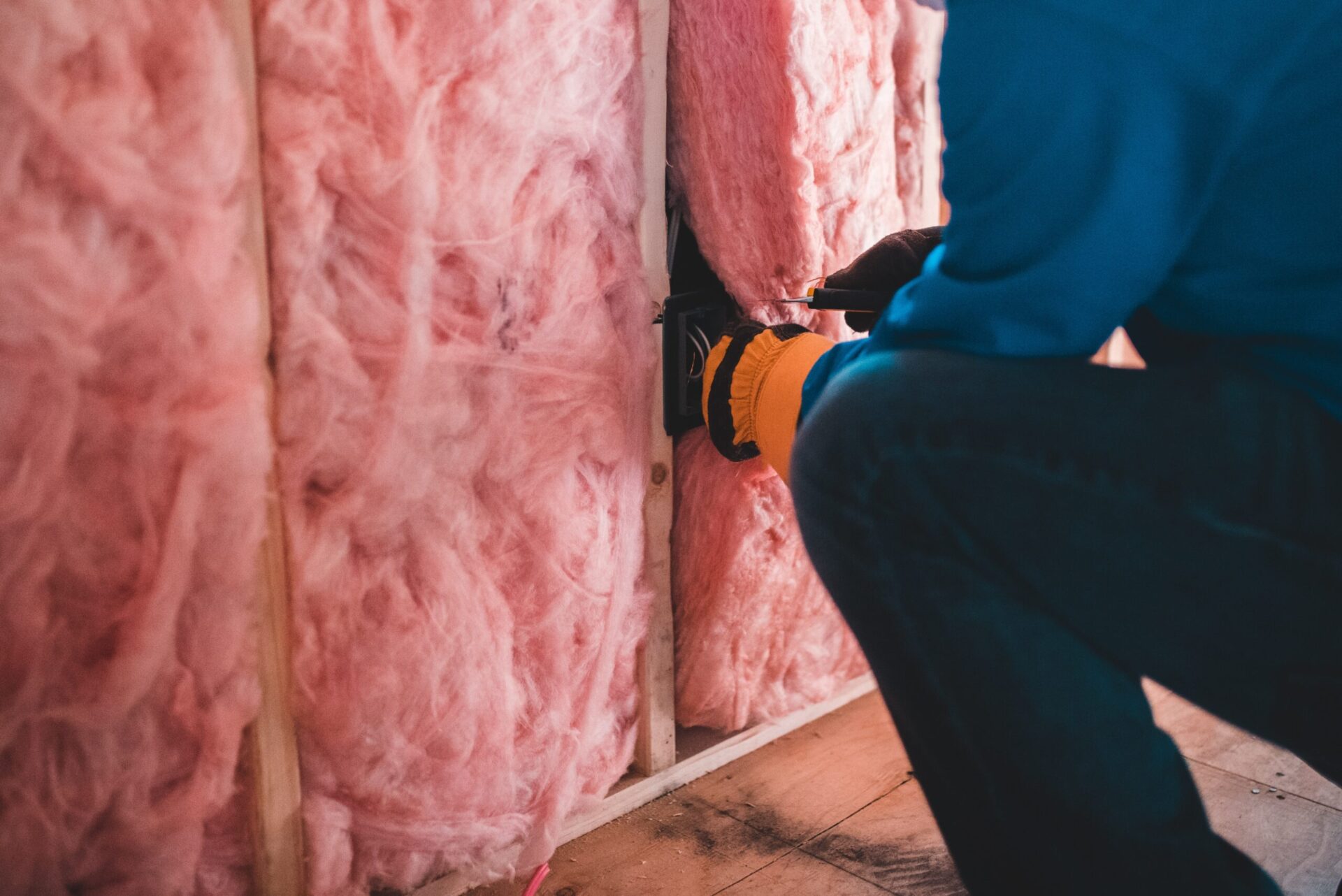
Fiberglass is one of the most widely used attic insulation types due to its affordability and ease of installation. It is typically made from fine glass fibers and comes in batts or loose-fill form.
It works by trapping air between fibers, slowing down heat transfer. Because of its lightweight structure, it is commonly used in standard residential projects.
🌿 Overview of Cellulose Insulation
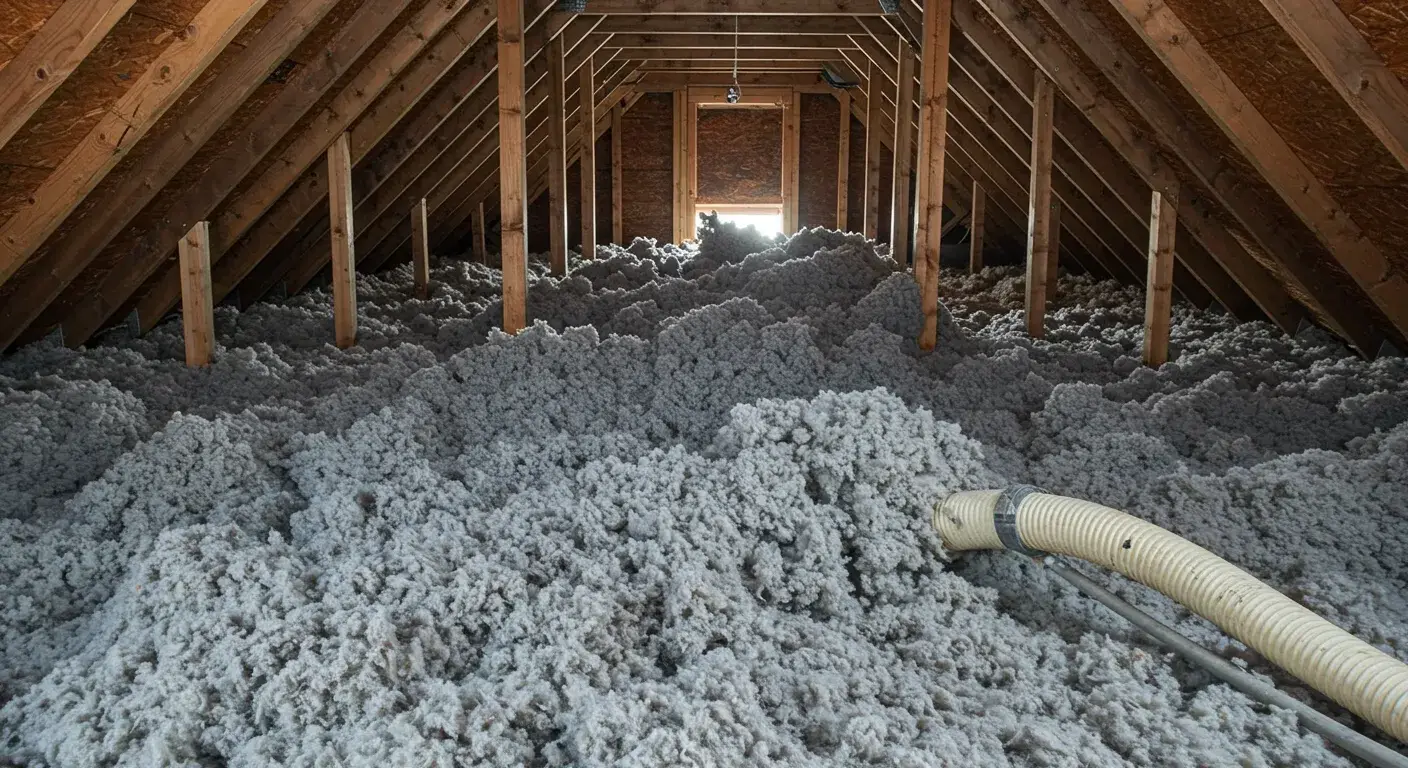
Cellulose is made from recycled paper products treated for fire resistance. It is usually installed as loose-fill material that can be blown into cavities and uneven spaces.
🧪 Material Composition
Unlike fiberglass, cellulose has a denser structure. This allows it to settle into gaps more effectively, reducing air movement within the insulated area.
🔧 Installation Methods
Cellulose is typically blown into place, making it suitable for filling irregular spaces. Fiberglass can be installed in rolls or blown in, depending on the application.
This difference in installation affects how each material performs in real conditions.
⚖️ Performance Comparison
🌡️ Heat Resistance and Efficiency
Both materials provide thermal resistance, but their effectiveness depends on how well they are installed. Cellulose tends to perform better in reducing air movement due to its density, while fiberglass relies more on consistent placement.
💧 Moisture Handling
Fiberglass does not absorb moisture but can lose effectiveness if it becomes damp. Cellulose can absorb some moisture, which may affect performance if not properly managed.
Proper ventilation plays a key role in how both materials handle humidity.
🔊 Soundproofing Ability
Cellulose generally provides better sound dampening because of its compact structure. Fiberglass offers some noise reduction but is less effective in blocking sound transmission.
These differences are often highlighted in fiberglass vs cellulose insulation comparisons when evaluating overall performance.
💰 Cost Differences
📊 Installation Price Range
Fiberglass is usually less expensive upfront, making it a common choice for budget-conscious projects. Cellulose may cost more due to material density and installation method.
📉 Long-Term Value
While fiberglass has a lower initial cost, cellulose may offer better long-term performance in certain conditions. Energy savings over time can offset the higher installation cost.
Understanding best attic insulation materials often involves balancing upfront cost with long-term efficiency.
🏠 Which Option Works Best for Different Homes
🏚️ Older Homes
Cellulose is often better suited for older structures because it fills gaps and irregular spaces more effectively. This helps improve coverage in areas where air leakage is common.
☀️ Hot Climates
In warmer regions, reducing heat transfer is critical. Both materials can perform well, but proper installation and airflow management are key factors.
⚡ Energy Efficiency Goals
For homeowners focused on maximizing efficiency, cellulose may provide better air control, while fiberglass offers a cost-effective baseline solution.
A detailed home insulation comparison helps determine which material aligns best with specific needs.
🛠️ How Attic Fanatics chooses the right material
Selecting the right insulation depends on more than just material type. Professionals evaluate structure, airflow, and existing conditions before making a recommendation.
A structured approach ensures that the chosen material matches the home’s requirements, leading to better performance and long-term reliability.
🌿 Choosing the Right Insulation for Lasting Results
The right choice depends on how your home is built and what you expect from the insulation. Some spaces benefit from denser coverage, while others perform well with lighter materials.
By focusing on performance, installation quality, and long-term value, homeowners can select a solution that improves comfort and efficiency without unnecessary costs.