What Is Blow-In Insulation?
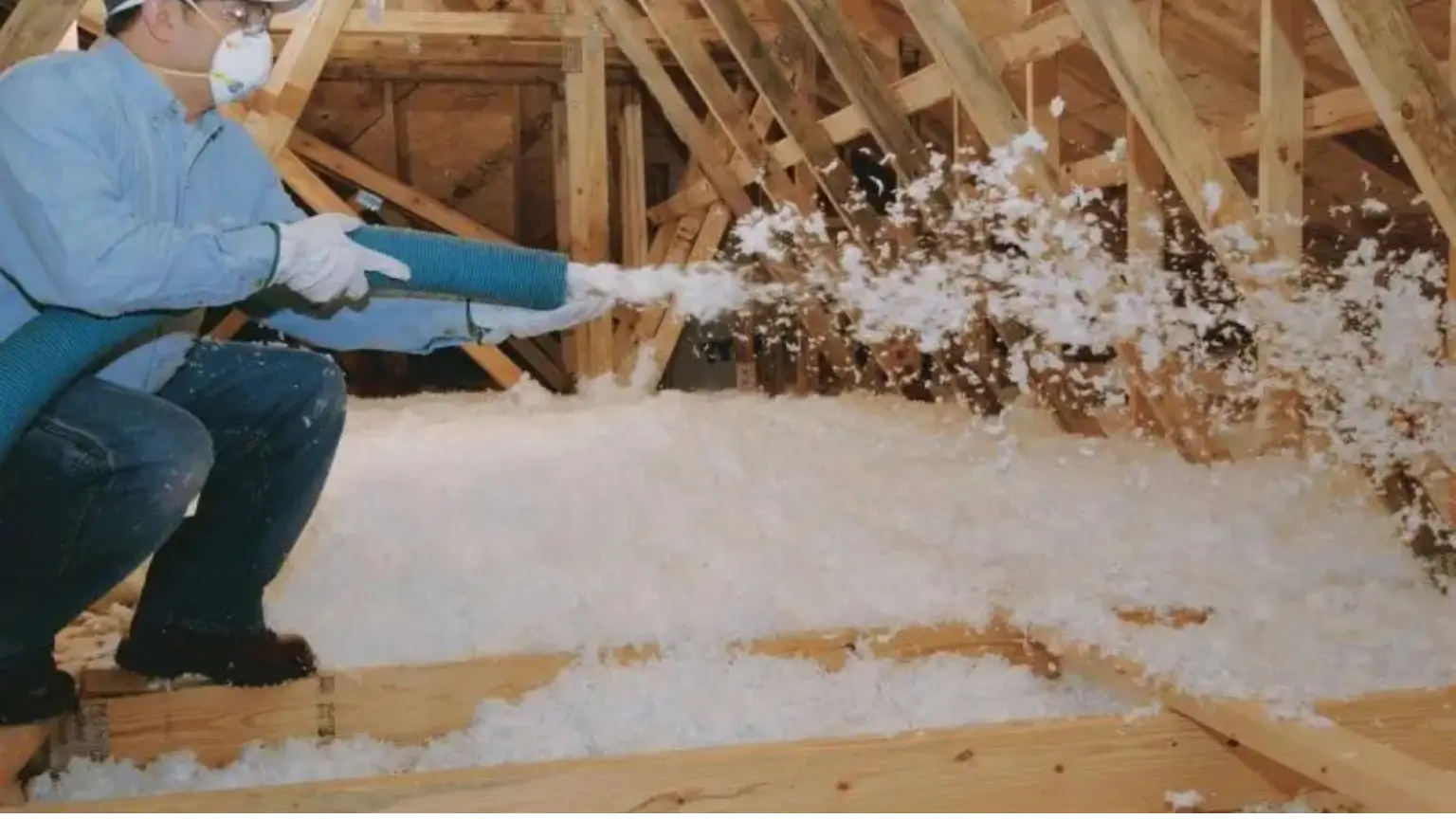
Blow-in insulation is a loose-fill material that is actually blown into place by a special machine. It can be used to fill small cracks, cover unusual shapes, and create a heavy blanket of insulation across an area.
Two of the most commonly used products are:
- Cellulose: Made up of mostly recycled paper, treated for fire protection, and known for being “green” and excellent at shutting out air leaks.
- Fiberglass: Spun glass strands are light, non-combustible, and waterproof.
How it works:
A blower machine, most often rented from a home improvement store or supplied by a contractor, blows insulation material through a hose, distributing it evenly throughout the space to be insulated. This makes it very well-suited to attics, tight wall cavities, and spaces where rolled or batt insulation would be too rigid to fit.
Benefits of DIY Blow-In Insulation
1. Labor Cost Savings
It is expensive to pay professionals; half or more of the whole cost of your insulation work is usually from labor. By doing it yourself, you don’t have to spend that money; you only have to rent the materials and equipment.
2. Flexibility with Scheduling
When you install it yourself, you can install it at your own pace. That means no waiting around for weeks for a contractor to finish what they are doing, and no stressful installation days that are convenient for their schedule as opposed to yours.
3. Possible for Quick Project Completion
For smaller spaces, DIY blow-in insulation can be completed in just a few hours. If you’ve done your prep work and have the right equipment ready, it’s a relatively fast home improvement project.
Challenges and Risks of DIY Installation
1. Equipment Rental and Handling
To install blow-in insulation, you’ll need a blowing machine. While rental is affordable, operating the machine properly can take some practice-especially ensuring even coverage.
2. Problems with Adequate Coverage and Depth
Insulation will only function if it’s installed at the correct depth. Too shallow and you’re losing efficiency; too deep and you’re wasting material (and money). Inadequate coverage will also produce hot and cold spots in your home.
3. Safety Concerns
Materials used for insulation release dust and infinitesimal fibers into the atmosphere. You’ll need:
- Safety glasses
- An adequate dust mask or respirator
- Gloves
- Protective clothing
Working in the attic is also hazardous due to exposed wiring, low headroom, and weak floor sections.
4. Sloping Insulation or Gap Hazard
Professionals know where tricky spots are where insulation might not reach all the way-around corners, behind objects, or around vents. Skipping these spots can decrease your home’s energy efficiency.
When to Hire a Professional to Install
While DIY is suitable for some projects, there are also some situations where it is best to leave it to the experts, like Attic Fanatics:
Large or Complicated Projects
If you have a large house or require insulating more than one room at once, the process can be overwhelming.
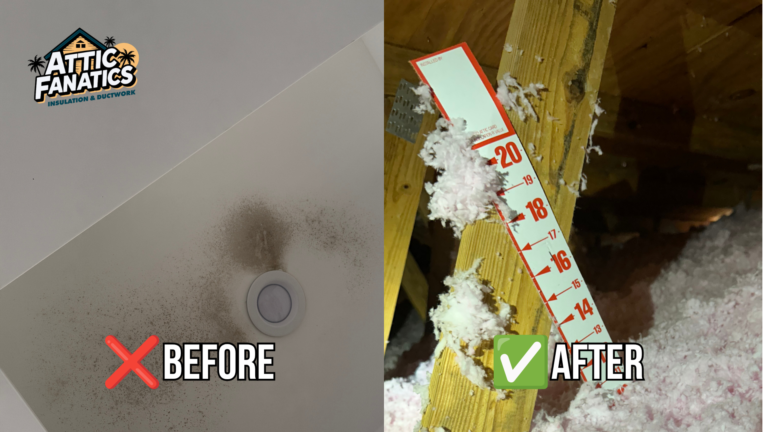
Attics with Existing Moisture or Mold Problems
These must be addressed first before insulating. A professional can identify and correct these problems before installing.
Need for Guaranteed Coverage and Warranty
Professionals typically place guarantees on artistry and materials, which puts your mind at ease.
DIY Blow-In Insulation Tips for Success
Preparation and Safety First: Vacate the area, seal air leaks, and ensure a solid work surface. Wear complete protective gear prior to working with insulation.
Rent Quality Equipment: Get a machine strong enough for your insulation type from your rental source. They should also demonstrate how to feed the machine and adjust the hose output.
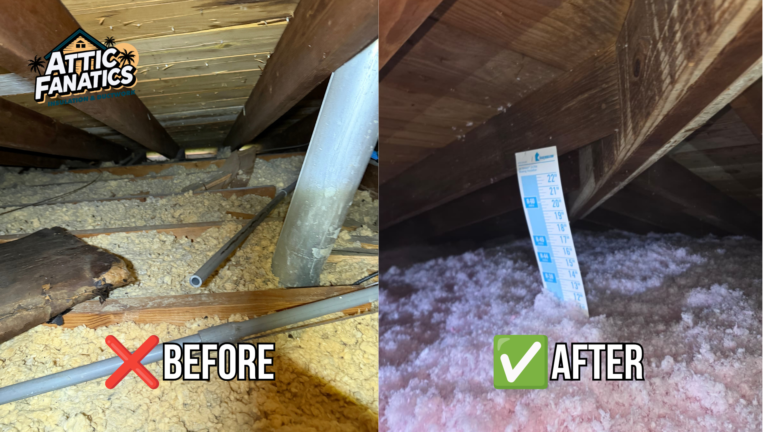
Take an Accurate Measurement of Insulation Depth: Mark your desired thickness on attic joists or utilize depth gauges to achieve even coverage.
Work with an Assistant: One assistant can load material into the machine, and the second can manipulate the hose in the attic.
Conclusion
Do-it-yourself blow-in insulation is a cost-effective and satisfying activity for homeowners with time, tools, and patience, offering flexibility and cost-saving potential. However, it also has risks such as insufficient coverage, safety concerns, and reduced efficiency if not installed correctly. Suppose you have the skills, a smaller space, and are willing to do it yourself. In that case, DIY is an option, but for larger or more complex projects, or guaranteed long-term results, hiring experienced professionals like Attic Fanatics is a better choice. Considering doing it yourself, blow-in insulation, but not sure if it is the right decision for your home? Call Attic Fanatics for professional installation or expert guidance to get the most for your energy savings, comfort, and budget.