Beyond Dust: 5 Toxins Hiding in Your Air Ducts 


Most homeowners assume the dust inside their vents is harmless. In reality, air ducts often contain far more than ordinary debris. Over time, contaminants build up inside ventilation channels and circulate through the entire home.
Professional duct cleaning helps remove pollutants that household vacuums cannot reach. Without proper treatment, these hidden contaminants continue affecting indoor air quality every time the heating or cooling system runs.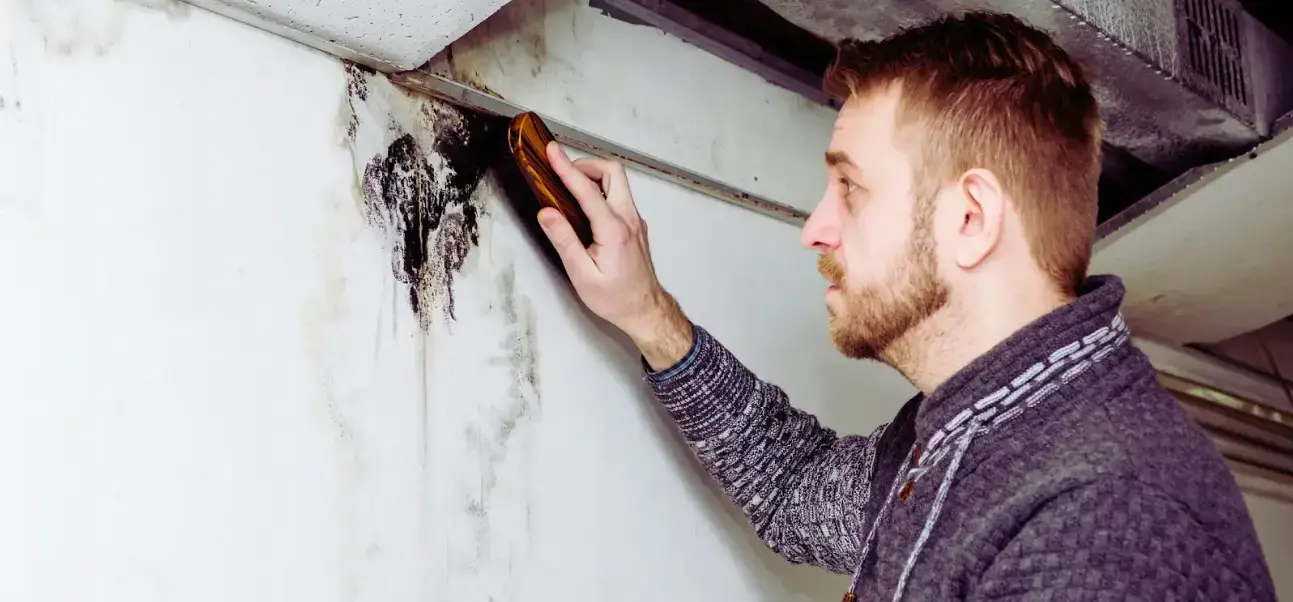
Why Hidden Contaminants Build Up in Air Ducts
 Why Hidden Contaminants Build Up in Air Ducts
 Your home’s HVAC system constantly moves air through vents and ducts. As air circulates, it carries microscopic particles from furniture, carpets, pets, and outdoor environments. These particles gradually settle inside duct surfaces where airflow slows down.
Warm temperatures and Florida humidity create ideal conditions for biological growth inside ventilation systems. Moisture trapped within duct materials can support bacteria and other microorganisms, allowing them to multiply over time.
Because these contaminants remain hidden, homeowners rarely notice them until symptoms appear such as persistent dust, musty odors, or increased allergy reactions.
Five Toxic Contaminants Commonly Found Inside Ductwork
 Five Toxic Contaminants Commonly Found Inside Ductwork
While dust gets most of the attention, many other substances accumulate inside ventilation channels. Some can directly impact respiratory health and overall indoor comfort.
- Bacteria buildup: Warm, dark ducts create an environment where microorganisms can multiply and spread through circulating air.
- Pet dander particles: Tiny skin flakes from pets easily travel through vents and accumulate deep within the system.
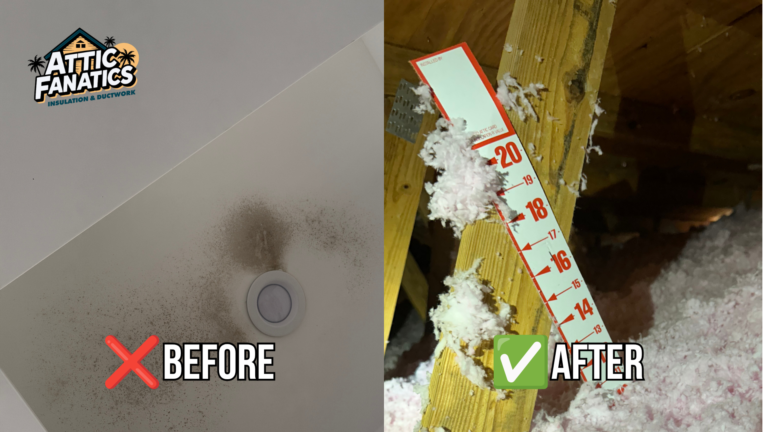
- Mold spores: Moisture trapped in ducts encourages fungal growth that releases airborne spores.
- Microbial residue: Organic debris trapped in ducts can support additional biological contamination over time.
- Fine airborne allergens: Pollutants from fabrics, carpets, and outdoor sources settle inside ventilation pathways.


Once these materials accumulate, each cycle of the heating or cooling system redistributes them throughout the home.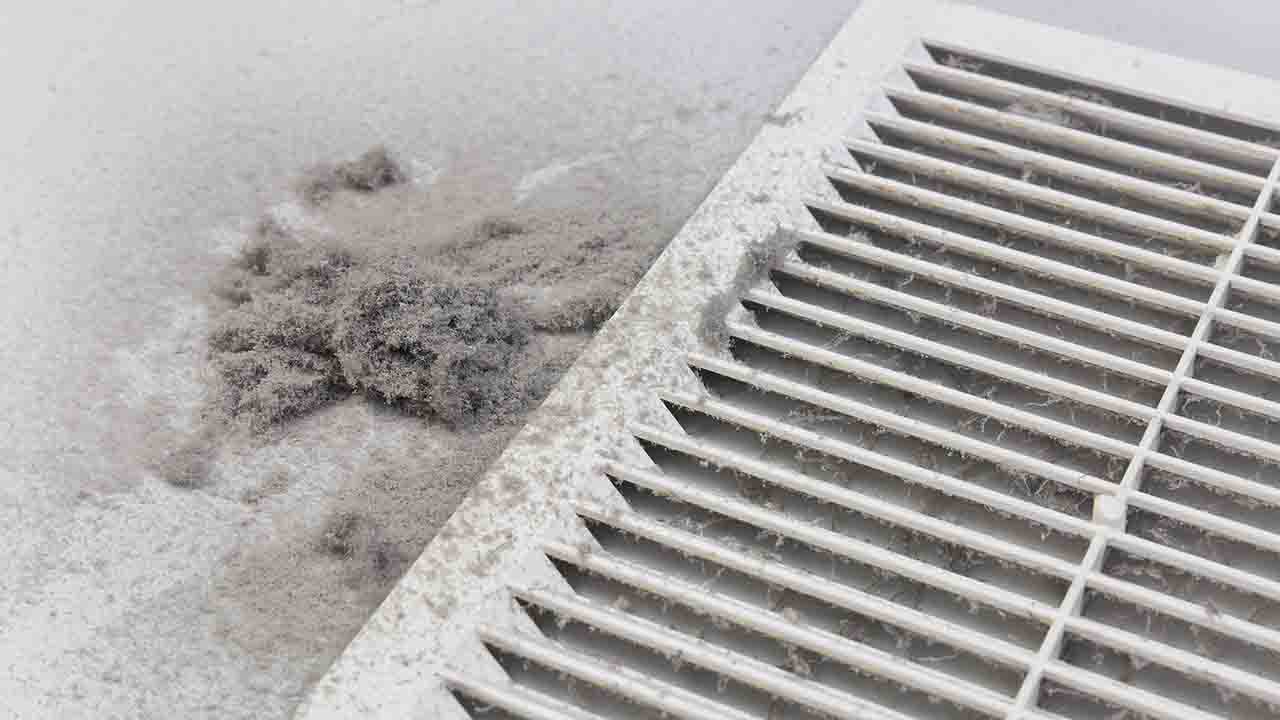
Why a Household Vacuum Cannot Solve the Problem
 Why a Household Vacuum Cannot Solve the Problem
Many homeowners attempt to clean vents themselves using handheld vacuums or simple brushes. While this may remove visible dust near vent openings, it does not address contamination deeper inside the duct network.
Most duct systems contain multiple bends, narrow passages, and long runs hidden behind walls and ceilings. Standard household tools cannot reach these areas effectively. Even if surface debris is removed, biological contaminants can remain embedded in duct lining or insulation.
Without specialized equipment, cleaning efforts often leave large portions of the system untouched.
The Impact on Indoor Air Quality
Air circulation means contaminants do not remain confined to ducts. Instead, they continuously re-enter living spaces.
Particles released through vents mix with indoor air and can affect breathing comfort. Homes with pets, heavy carpet use, or frequent humidity fluctuations may experience faster buildup of pollutants within ventilation systems.
Maintaining clean ducts helps reduce the circulation of irritants while improving overall airflow throughout the house.
Why Sanitizing Matters After Deep Cleaning
 Why Sanitizing Matters After Deep Cleaning
Removing debris is only part of restoring ventilation systems. After buildup is cleared, professional sanitizing helps neutralize microorganisms that may remain on internal surfaces.
This process targets biological contaminants and helps prevent rapid regrowth within the duct network. Proper treatment also reduces lingering odors caused by microbial activity and organic residue.
Professional Evaluation of Your Ventilation System
 Professional Evaluation of Your Ventilation System
A thorough inspection is essential before any cleaning work begins. Specialists evaluate airflow conditions, identify contamination sources, and assess the overall condition of the ventilation network.
Attic Fanatics approaches duct maintenance by combining deep cleaning with system-level diagnostics. Their process examines moisture conditions, contamination buildup, and structural airflow issues that influence long-term performance.
Ventilation Systems and Humidity Challenges
 Ventilation Systems and Humidity Challenges
Moist climates present unique challenges for indoor air systems. When moisture enters duct pathways, it can accelerate microbial growth and trap contaminants inside ventilation materials.
Proper maintenance helps keep ventilation channels cleaner and supports healthier air circulation inside the home. By addressing hidden contaminants early, homeowners protect both their HVAC performance and their indoor environment from long-term buildup.