Attic Floor vs Roof Deck Insulation Explained 🏠
Insulation placement can change how an entire home performs. It’s not just about adding material; it’s about where that material goes and how it interacts with airflow, temperature, and living spaces below.
Many homeowners assume insulation always belongs on the floor of the upper space, but in some cases, placing it along the roof deck delivers better results. The right choice depends on how the home is designed and how the space is used.
🔍 Difference Between Attic Floor and Roof Deck Insulation
The key difference lies in what area is being separated from the rest of the home. Floor-level insulation creates a barrier between the living space and the upper zone, while roof deck insulation brings that upper zone into the conditioned part of the home.
In attic floor insulation vs roof deck comparisons, the decision often comes down to whether the space above the ceiling is meant to stay ventilated or become part of the indoor environment.
🧱 When Attic Floor Insulation Is Best
💡 Energy Savings Focus
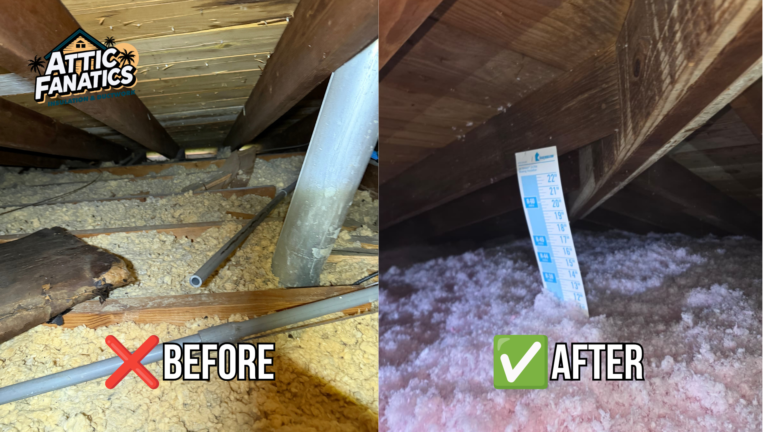
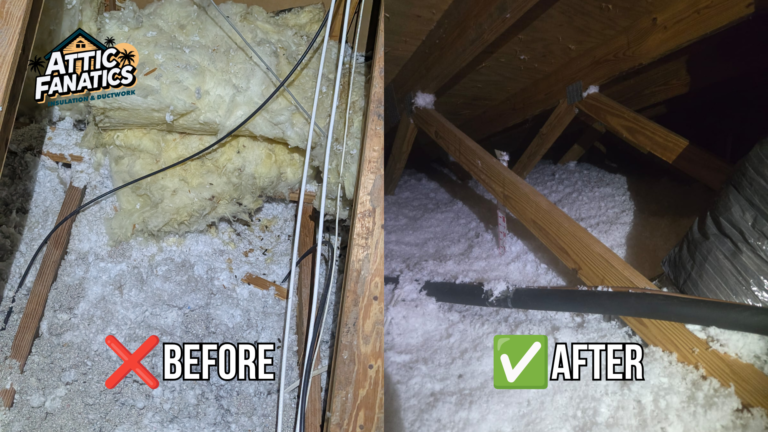
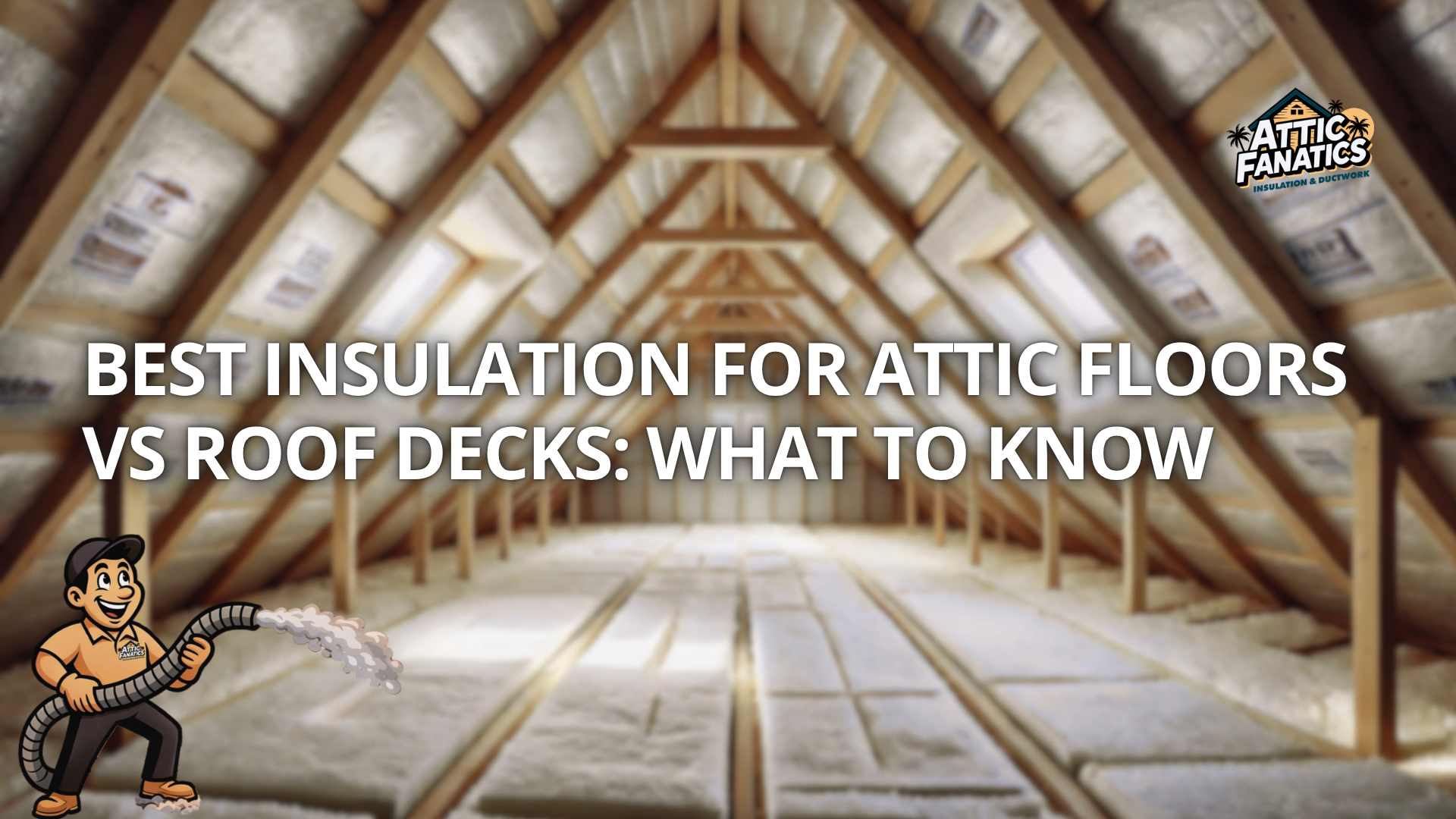
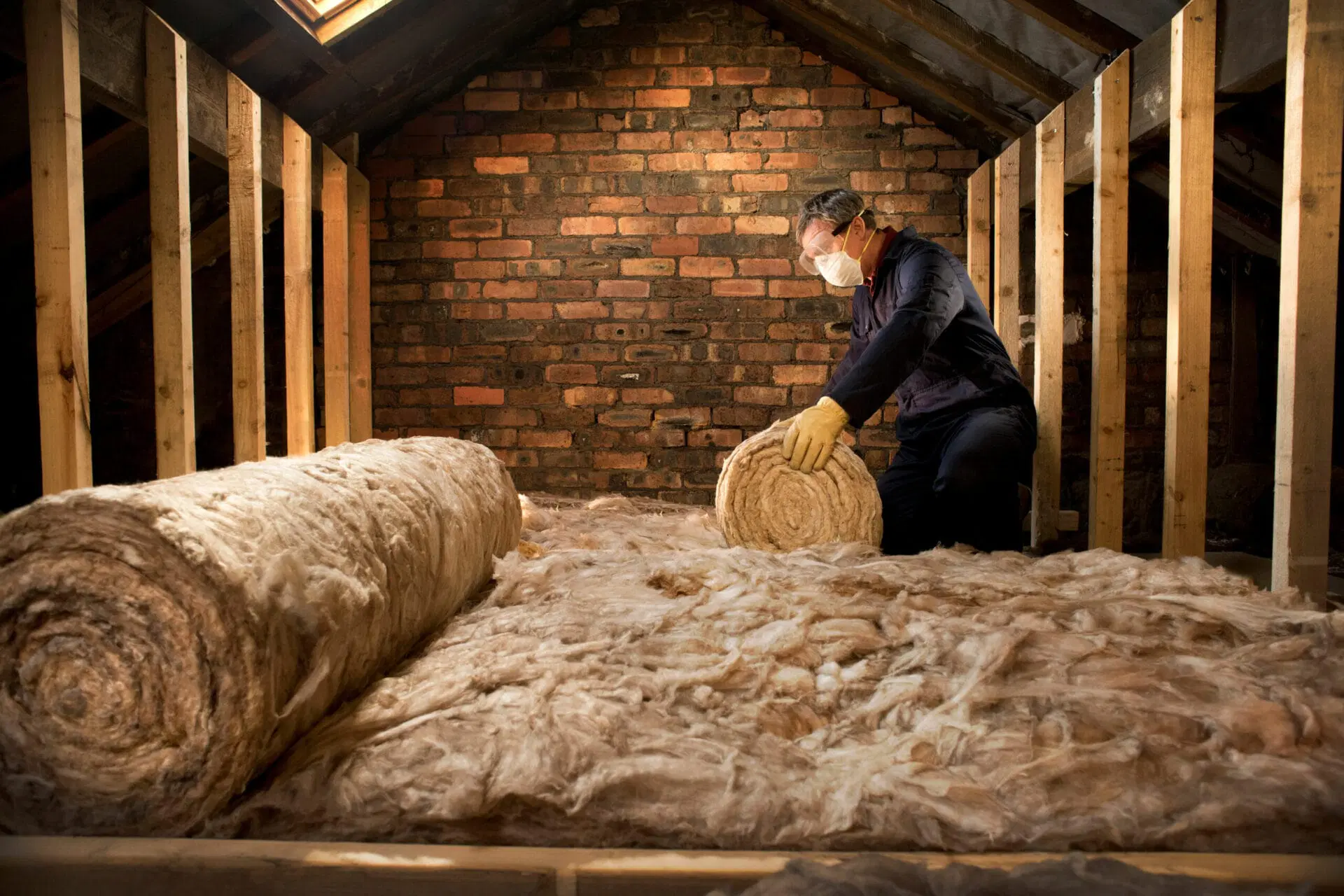
Floor-level insulation is effective when the goal is to keep conditioned air inside the main living areas. It prevents heat from entering or escaping through the ceiling, improving overall efficiency.
🌬️ Ventilated Upper Spaces
This approach works best when the upper space is ventilated and not used for living purposes. Air is allowed to circulate above, while insulation below maintains indoor comfort.
It remains one of the most common attic insulation placement methods for traditional home designs.
🏗️ When Roof Deck Insulation Is Better
🚫 Unvented Attic Systems
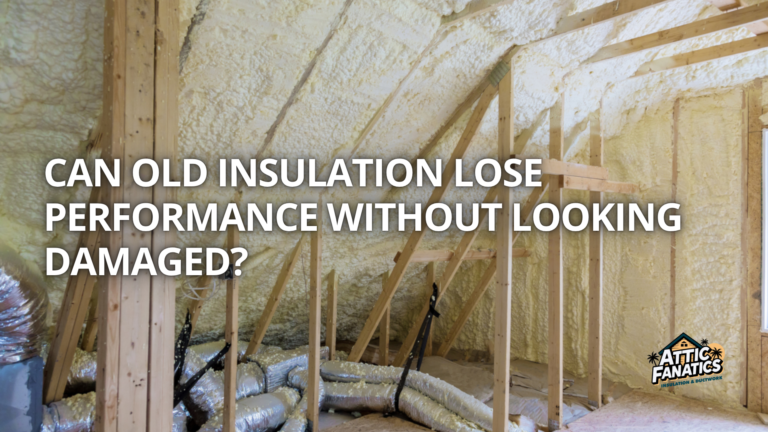
Roof deck insulation is used when the space above the ceiling is sealed and treated as part of the conditioned home. This eliminates the need for ventilation in that area.
⚙️ HVAC Efficiency Needs
Homes with HVAC systems or ductwork located in the upper zone benefit from this approach. Keeping that space within the conditioned envelope reduces energy loss and improves system performance.
These scenarios are often considered when evaluating attic insulation installation types for modern layouts.
⚖️ Pros and Cons of Each Option
💰 Cost Differences
Floor insulation is generally more affordable because it requires less material and simpler installation. Roof deck insulation tends to cost more due to the complexity of application and coverage area.
🧹 Maintenance Requirements
Ventilated spaces with floor insulation are easier to maintain since airflow helps manage moisture. Roof deck systems require careful sealing and monitoring to prevent issues over time.
⚡ Energy Performance
Each option performs well when matched to the right home design. Floor insulation supports traditional setups, while roof deck insulation can improve efficiency in sealed environments.
- 💰 Floor insulation is typically more cost-effective
- 🏗️ Roof deck insulation supports conditioned upper spaces
- 🌬️ Ventilation plays a key role in performance
- ⚡ Efficiency depends on proper placement and design
🛠️ How Attic Fanatics Help Choose the Right Setup
Choosing the right placement involves evaluating how the home is built and how the upper space is used. Factors like airflow, duct location, and structural design all influence the decision.
A structured assessment ensures that insulation works with the home’s layout rather than against it, improving both comfort and efficiency.
🌿 Choosing the Right Insulation Strategy
Insulation is most effective when it aligns with how the home functions. Placing it in the wrong area can reduce efficiency and create unnecessary complications.
By selecting the right approach based on structure and usage, homeowners can achieve better temperature control, lower energy use, and more consistent indoor comfort.