Batt Insulation Isn’t Outdated — It’s Installed Incorrectly 

For decades, this type of fibrous insulation has been a standard material in residential construction, yet it is frequently dismissed as obsolete when homes struggle with temperature control or rising energy costs. This perception overlooks a critical truth: most performance issues stem from how the material is installed rather than its composition. When placed with precision, it continues to provide reliable thermal resistance and long-term value. Problems arise when shortcuts, environmental pressures, or structural mismatches compromise its effectiveness.
Why Performance Suffers Without Proper Placement
 Why Performance Suffers Without Proper Placement
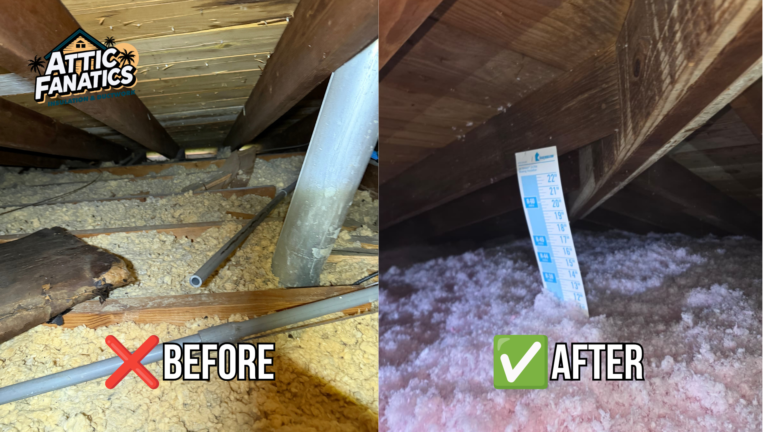
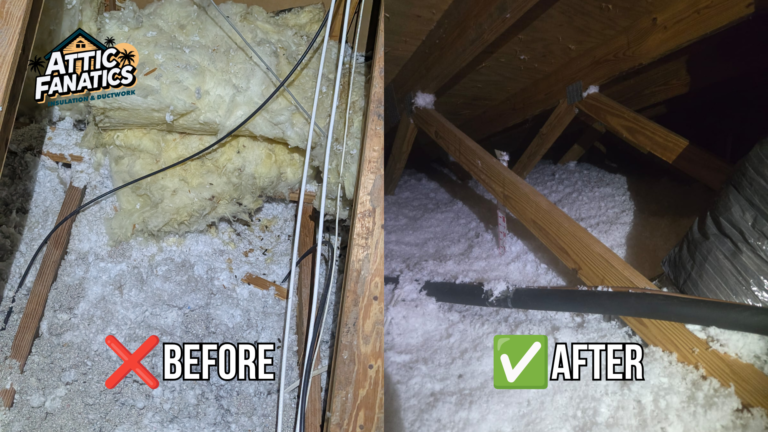
Insulation works by trapping pockets of air that slow heat movement through ceilings and walls. When that structure is altered, thermal resistance declines. One of the most common issues is insulation compression, which occurs when material is squeezed into spaces that do not match its intended thickness. Compression reduces the air pockets responsible for thermal control, directly causing R-value loss. Even high-quality materials fail when forced into shallow cavities or pressed beneath wiring, ductwork, or storage boards.
Installation Mistakes That Undermine Results
 Installation Mistakes That Undermine Results
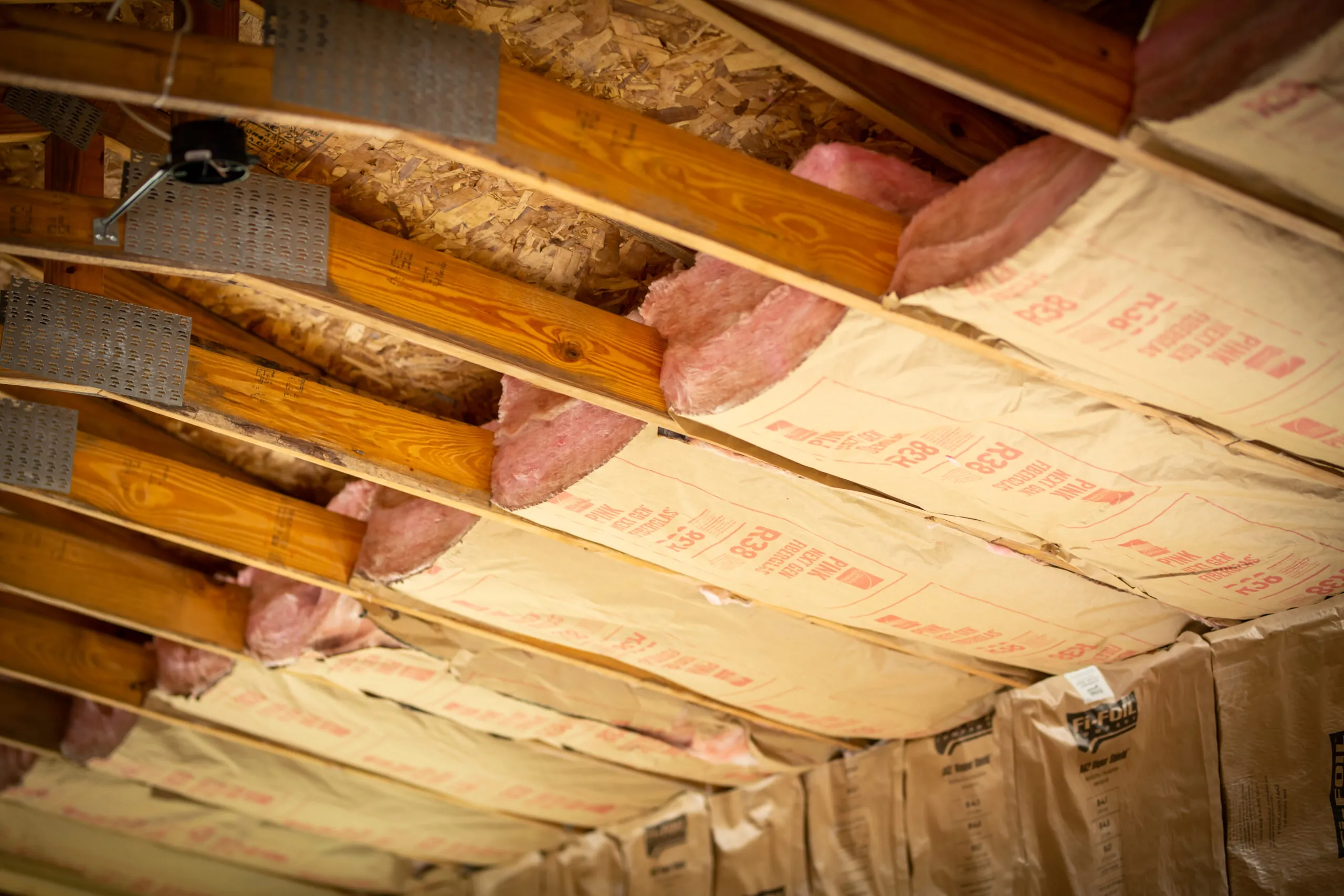
Many installation errors happen quietly, hidden beneath attic floors or behind drywall. Gaps left around framing members, uneven cuts, and misaligned sections allow heat to bypass insulation layers entirely. These weak points disrupt thermal continuity and create hot or cold spots inside the home. In attics, inconsistent placement around attic framing is especially problematic, as structural elements already conduct heat more readily than insulated cavities. When insulation is not fitted tightly against framing without being compressed, performance declines across the entire ceiling plane.
Climate Pressure Inside Attics
 Climate Pressure Inside Attics
Regional conditions play a significant role in how insulation performs over time. Florida attic conditions expose materials to prolonged heat, humidity, and seasonal temperature swings. Moist air intrusion and radiant roof heat place constant stress on insulation layers. Poor installation amplifies these effects, allowing warm air to circulate where it should be blocked. Over time, the attic becomes a reservoir of trapped heat that radiates downward, increasing cooling demands throughout the living space.
How Physics Explains Declining Thermal Control
 How Physics Explains Declining Thermal Control
Insulation effectiveness depends on maintaining stable density and coverage. When air flows through gaps or compressed sections, heat transfer accelerates. This process forces HVAC systems to compensate for losses, reducing overall energy efficiency. Laboratory testing consistently shows that even small installation flaws can reduce real-world insulation performance by a significant margin. The issue is not material failure but system imbalance created during installation.
Why Replacement Is Often Unnecessary
 Why Replacement Is Often Unnecessary
A common reaction to poor performance is complete removal and replacement. In many cases, this approach overlooks materials that remain structurally sound. Specialists trained in corrective insulation work often find that existing batts can be adjusted, re-cut, or repositioned to restore proper coverage. Attic Fanatics focuses on diagnosing placement issues, identifying airflow disruptions, and correcting errors that prevent insulation from functioning as designed. This approach preserves viable materials while resolving the root causes of inefficiency.
The Most Frequent Causes of Reduced Effectiveness
 The Most Frequent Causes of Reduced Effectiveness
Only one list is needed to capture the primary reasons batt systems fail to perform as expected:
- Incorrect sizing that forces material into shallow cavities
- Misalignment around attic framing and penetrations
- Air movement through gaps created by rushed installation
 Incorrect sizing that forces material into shallow cavities
 Misalignment around attic framing and penetrations
 Air movement through gaps created by rushed installation
 Restoring Balance to the Attic System
 Restoring Balance to the Attic System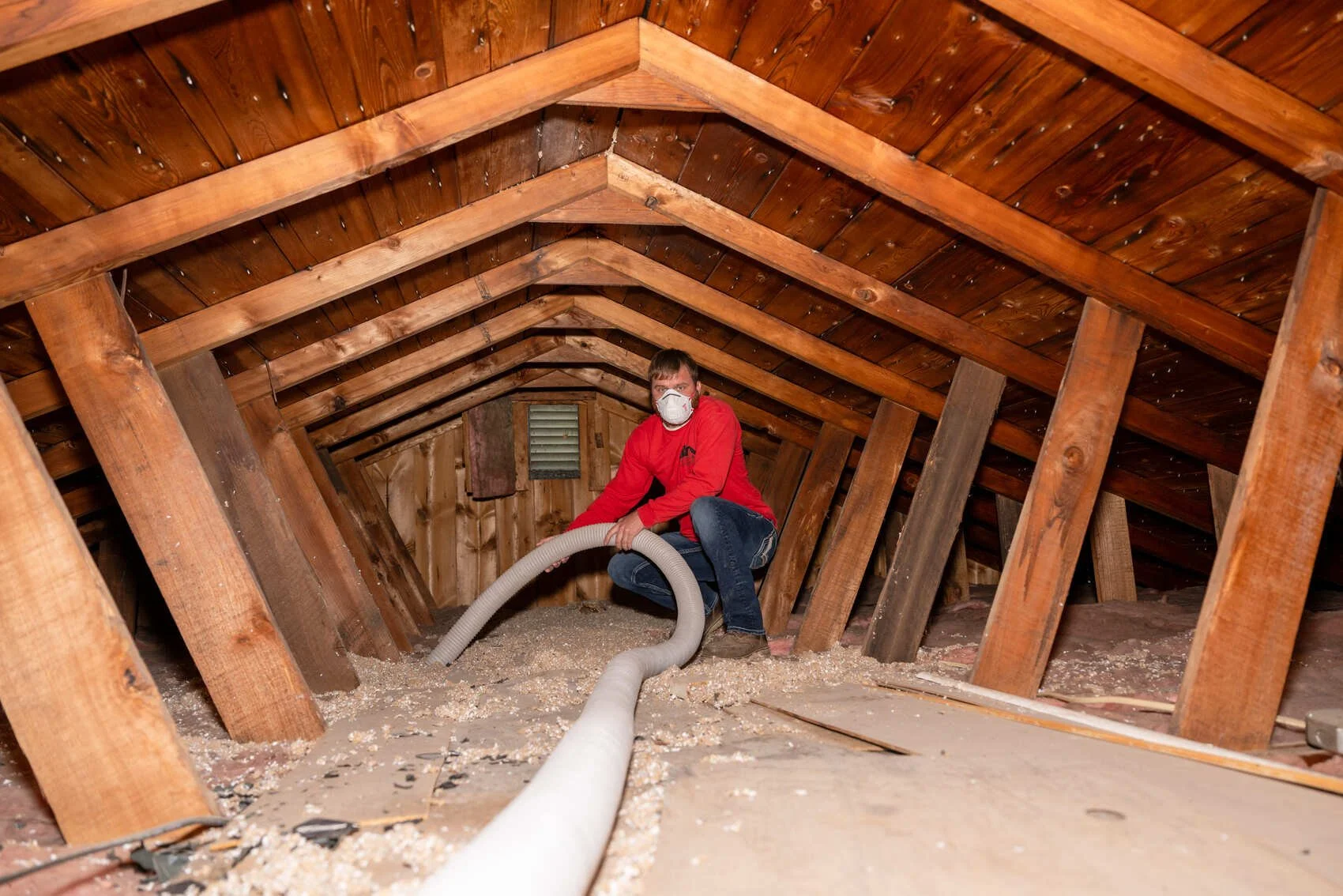
When batt insulation is installed correctly, it integrates seamlessly with airflow design and structural layout. Proper placement restores uniform thermal resistance, stabilizes indoor temperatures, and reduces mechanical strain on cooling systems. Homes regain predictable comfort levels, and energy usage becomes more consistent across seasons. The key is recognizing that insulation success depends less on the material itself and more on the precision of its installation.
Reclaiming Energy Efficiency Through Accuracy
 Reclaiming Energy Efficiency Through Accuracy
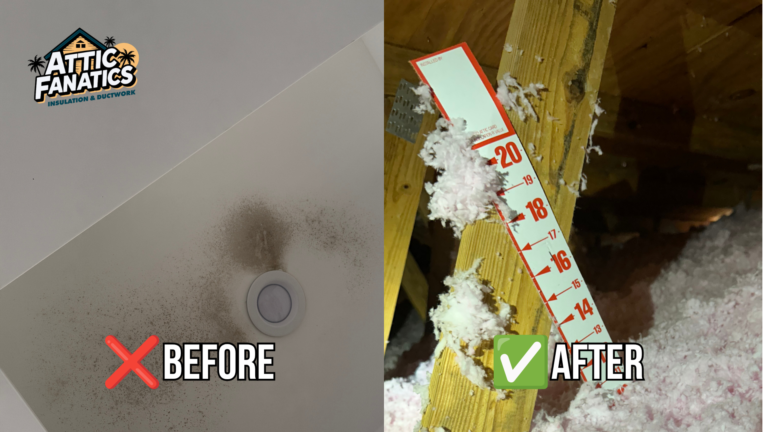
Correcting installation flaws transforms how an attic performs under daily heat exposure. By eliminating gaps, relieving compression, and aligning material with structural elements, the attic regains its role as a protective buffer rather than a heat source. In climates where cooling demand dominates, small corrections yield measurable improvements. When properly placed and integrated into the system, this type of insulation remains a reliable and effective solution rather than a disposable component.