Modern Batt Insulation: Safe, Moisture-Resistant, Eco-Friendly 🔥🌿
Homes today face greater environmental stress than ever before. Rising temperatures, humidity exposure, and stricter safety expectations have pushed insulation technology far beyond traditional materials. Modern attic insulation systems now focus on resilience, safety, and sustainability, offering homeowners smarter ways to protect their living spaces while improving overall efficiency. These advancements are especially relevant for properties in warm, moisture-heavy regions where outdated insulation struggles to perform.
🌡️ Why Batt Insulation Has Evolved
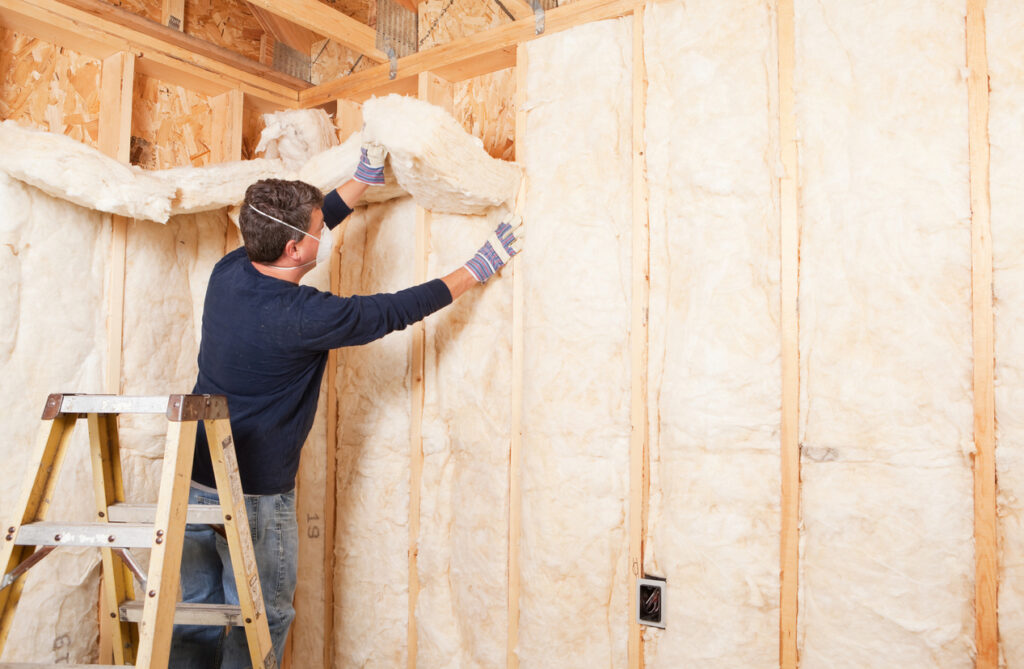
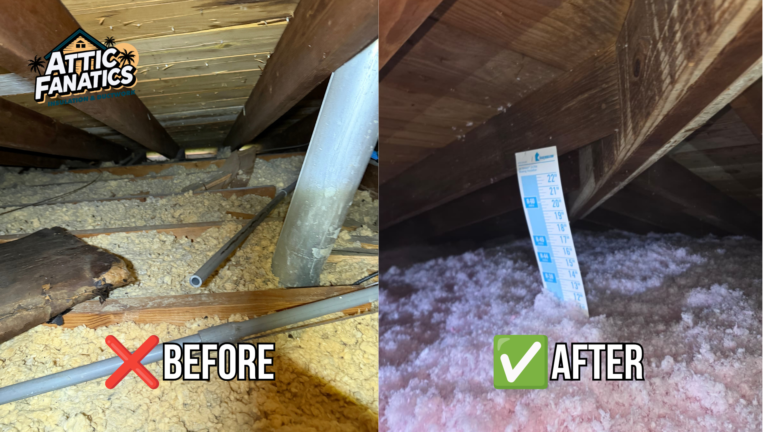
Traditional fiberglass batts were originally created to slow heat transfer. Modern designs now incorporate advanced fibers, binders, and coatings that tackle multiple risks simultaneously. These systems are engineered to resist ignition, repel moisture, and minimize environmental impact while maintaining consistent thermal performance. This evolution transforms insulation into a multi-layer defense rather than a single-purpose barrier.
Key improvements homeowners now benefit from include:
- 🔒 Enhanced structural stability that prevents sagging and gaps
- 🌬️ Better airflow compatibility to reduce trapped heat
- 🧯 Improved safety performance during high-temperature exposure
🔥 Fire Resistance as a Core Safety Feature
Fire safety has become a defining feature of modern insulation materials. Updated batt designs incorporate non-combustible fibers and treated facings that slow flame spread and reduce heat transfer during exposure. This enhanced protection provides critical time during emergencies and limits how quickly flames can travel through concealed attic spaces. For homeowners, it adds a vital layer of safety above living areas where fires often go unnoticed until damage escalates.
💧 Moisture Control in Humid Climates
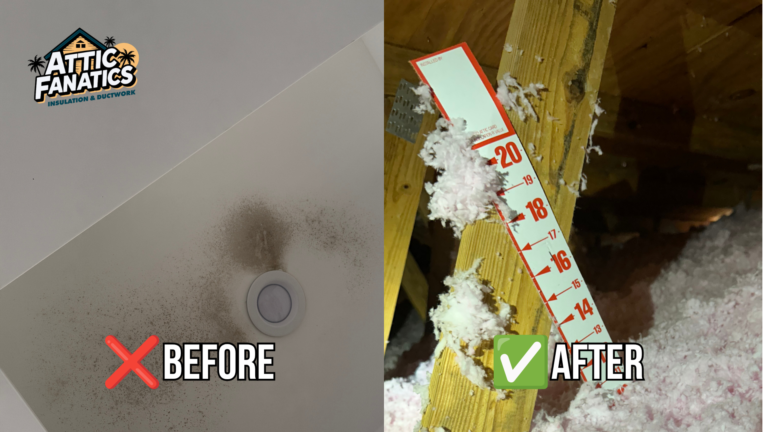
Attics are highly vulnerable to vapor buildup, particularly in coastal and subtropical regions. New batt materials are engineered with hydrophobic properties and breathable facings that regulate airflow while preventing water retention. Effective moisture control reduces the likelihood of mold growth, material degradation, and indoor air quality issues. Instead of absorbing humidity, these systems manage it, keeping insulation dry and functional over time.
🌱 Eco-Friendly Insulation Materials on the Rise
Sustainability now plays a major role in insulation selection. Many modern batts incorporate recycled glass, plant-based binders, and low-emission manufacturing processes. This shift toward eco-friendly insulation reduces landfill waste and limits airborne irritants inside the home. Homeowners gain improved comfort without sacrificing environmental responsibility, aligning energy efficiency goals with greener building practices.
🏠 Smarter Attic Solutions for Regional Conditions
Insulation performance is heavily influenced by local climate demands. Tailored attic solutions consider ventilation patterns, roof structure, and seasonal temperature swings to ensure consistent results. In Florida homes, where heat and humidity persist year-round, insulation must withstand prolonged exposure without losing effectiveness. Professional evaluation ensures materials are selected and installed to match these specific environmental challenges.
🛠️ Expert Installation Makes the Difference
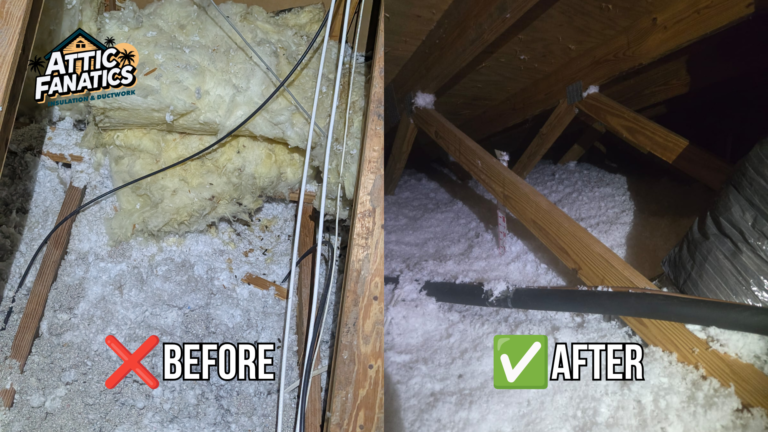
Even the most advanced materials rely on proper installation to perform as intended. Attic Fanatics applies region-specific expertise to ensure batt systems are fitted precisely, eliminating compression, gaps, and airflow interference. Their approach focuses on long-term performance, safety alignment, and efficiency gains that generic installations often overlook. The result is insulation that supports stable indoor conditions while enhancing the home’s overall resilience.
🌊 Building Safer, Healthier Attics for the Future
Modern batt insulation reflects a shift toward smarter home protection. By combining fire safety, humidity management, and sustainable design, today’s materials deliver far more than temperature regulation. Homes equipped with updated insulation systems experience improved comfort, healthier air, and greater structural reliability advantages that grow more valuable over time as climate demands intensify.