Is Your Attic Making Your Air Unhealthy?
The air inside your home may not be as clean as it seems. Hidden spaces above your ceiling can collect years of dust, moisture, pest residue, and damaged materials that slowly affect the environment your family breathes every day.
When these problems are ignored, contaminants can continue spreading through small openings, ventilation pathways, and connected home systems. A cleaner attic space plays an important role in maintaining a healthier indoor environment.
How Attic Cleaning Improves a Healthier Home Environment
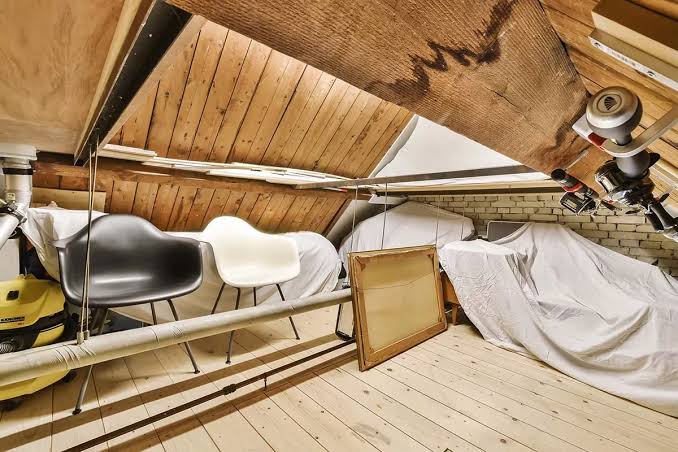
Over time, the upper areas of a home naturally collect dust, debris, and unwanted particles. While these issues may stay hidden, they can influence comfort and cleanliness throughout the property.
Professional attic cleaning focuses on removing old debris, damaged materials, and sources of contamination that may contribute to poor air conditions. A cleaner space helps reduce exposure to particles that build up over time.
How Hidden Problems Affect Indoor Air Quality
The connection between your attic and living space is stronger than many homeowners realize. Small gaps, ducts, and airflow pathways can allow unwanted particles to move throughout the home.
Mold Growth and Airborne Spores
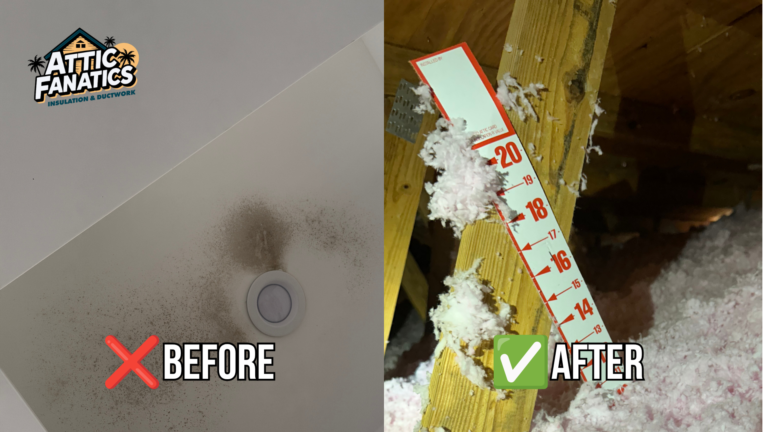
Moisture problems create the perfect conditions for mold development. Once growth begins, tiny spores can spread and affect surrounding materials.
An attic mold problem may start in one area but can become more widespread if moisture issues are not corrected quickly.
Bacteria and Rodent Contamination
Rodent activity can leave behind droppings, nesting materials, and bacteria that create unhealthy conditions. Even after pests are removed, remaining contamination can continue affecting the space.
Proper attic cleanup helps remove these hidden concerns instead of only addressing the visible signs.
Dust and Allergens
Older roof spaces often hold years of fine particles, allergens, and debris. These irritants can settle inside insulation, around small openings, and near ventilation paths. For people sensitive to airborne triggers, removing these hidden sources can support a cleaner and healthier home environment.
Why Attic Decontamination Is Important
Cleaning removes visible debris, but deeper sanitation focuses on addressing hidden pollutants. Attic decontamination helps target materials affected by pests, moisture, and biological contamination.
Removing Hidden Contaminants
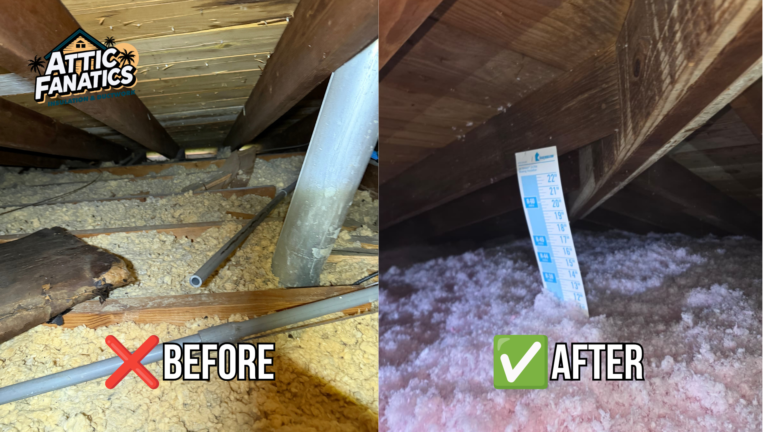
Some problems are not easy to see during a basic inspection. Dust, pest residue, moisture-damaged materials, and hidden debris can remain trapped inside insulation layers or settle into hard-to-reach areas. A detailed cleanup process helps identify affected sections and remove the sources that may continue causing issues.
Addressing Damaged Insulation
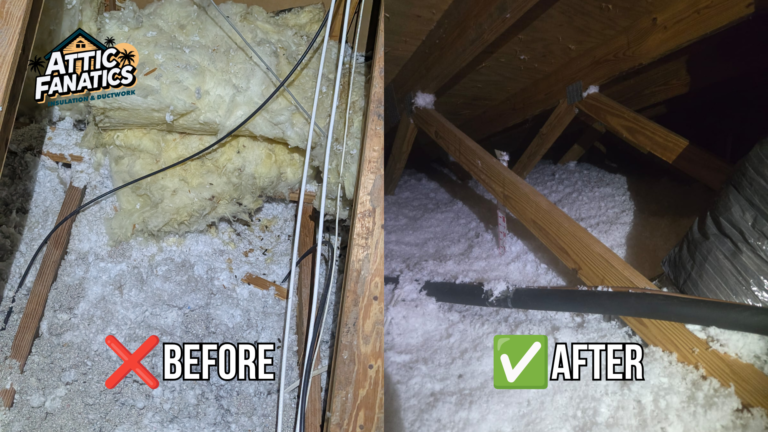
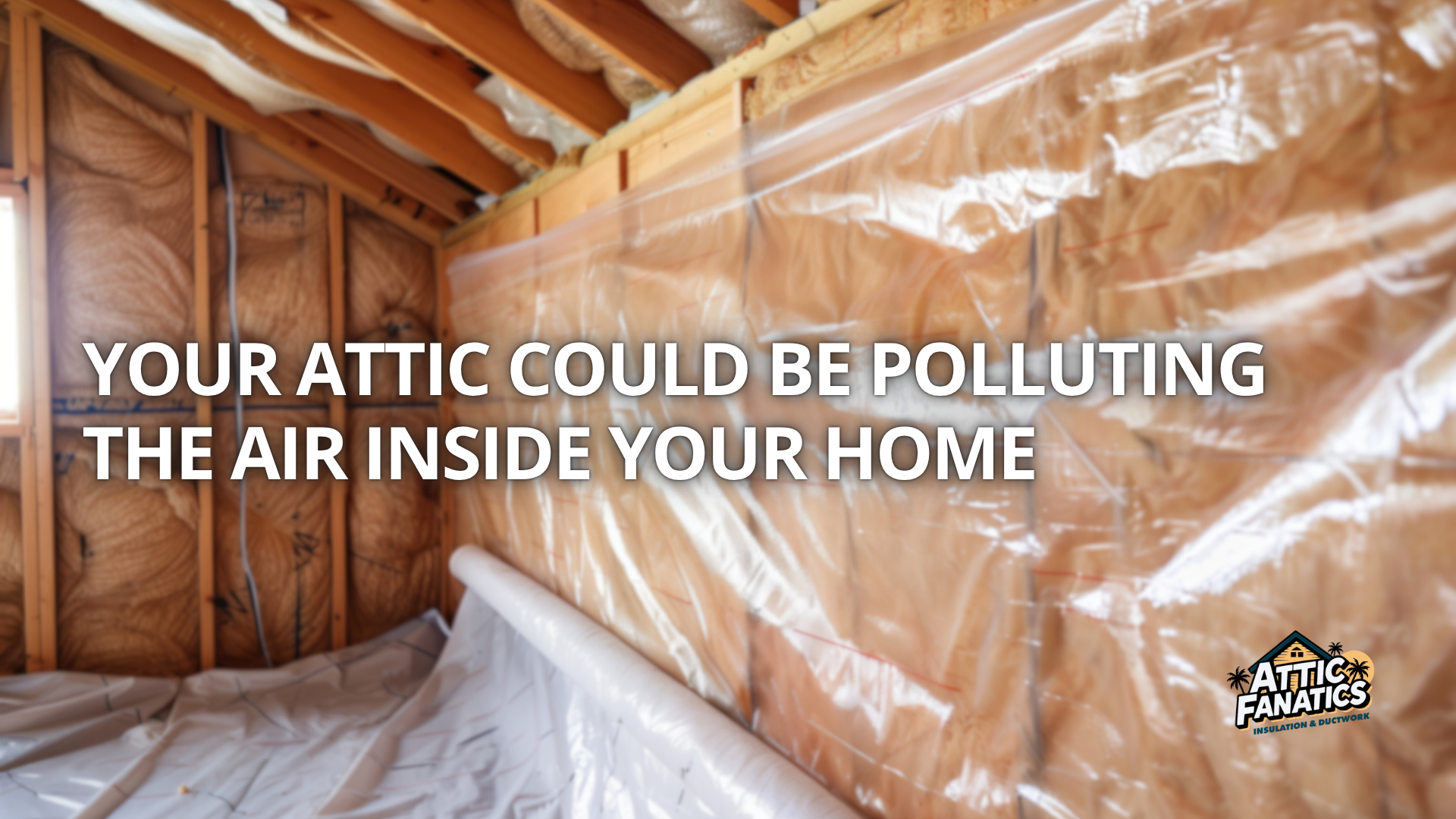
Old or damaged insulation can trap odors, moisture, allergens, and unwanted particles over time. Once the material is compromised, it may no longer support comfort or efficiency properly. Replacing affected insulation helps create a cleaner and healthier system.
Improving Overall Home Conditions
A healthier attic environment supports better comfort throughout the home. Removing pollutants at the source helps prevent recurring issues instead of temporarily masking odors or symptoms.
Common warning signs that cleanup may be needed include:
 Persistent musty odors inside the home
- Visible mold or moisture concerns
- Evidence of previous pest activity
- Old or damaged insulation materials
- Increased dust or allergy-like reactions
 Persistent musty odors inside the home
 Visible mold or moisture concerns
 Evidence of previous pest activity
 Old or damaged insulation materials
 Increased dust or allergy-like reactions
These signs often indicate hidden issues that require a closer inspection.
How Sanitization Helps Control Odors and Pollutants
Sanitization focuses on creating a cleaner environment after damaged materials and debris have been removed. This process helps address lingering odors and remaining particles caused by moisture or pests.
For long-term results, the original source of contamination must also be corrected. Simply covering odors without removing the cause often allows problems to return.
How Attic Fanatics Creates Cleaner Attic Spaces
Attic Fanatics begins by assessing the condition of the existing insulation and identifying any signs of contamination or underlying issues that could be affecting the attic environment. Rather than treating only the visible symptoms, the team focuses on removing compromised materials and resolving the conditions that allowed the problem to develop.
This approach helps create a cleaner attic, supports better indoor air quality, and provides a healthier, more comfortable living environment for the entire home.
Creating a Healthier Home Starts Above
Air quality concerns are not always caused by what happens inside living areas. Hidden dust, moisture, and damaged insulation can quietly affect the overall home environment. Regular inspections, proper cleanup, and targeted sanitation help reduce hidden risks and keep the space healthier for years.