Is More Blow-In Insulation Always Better?
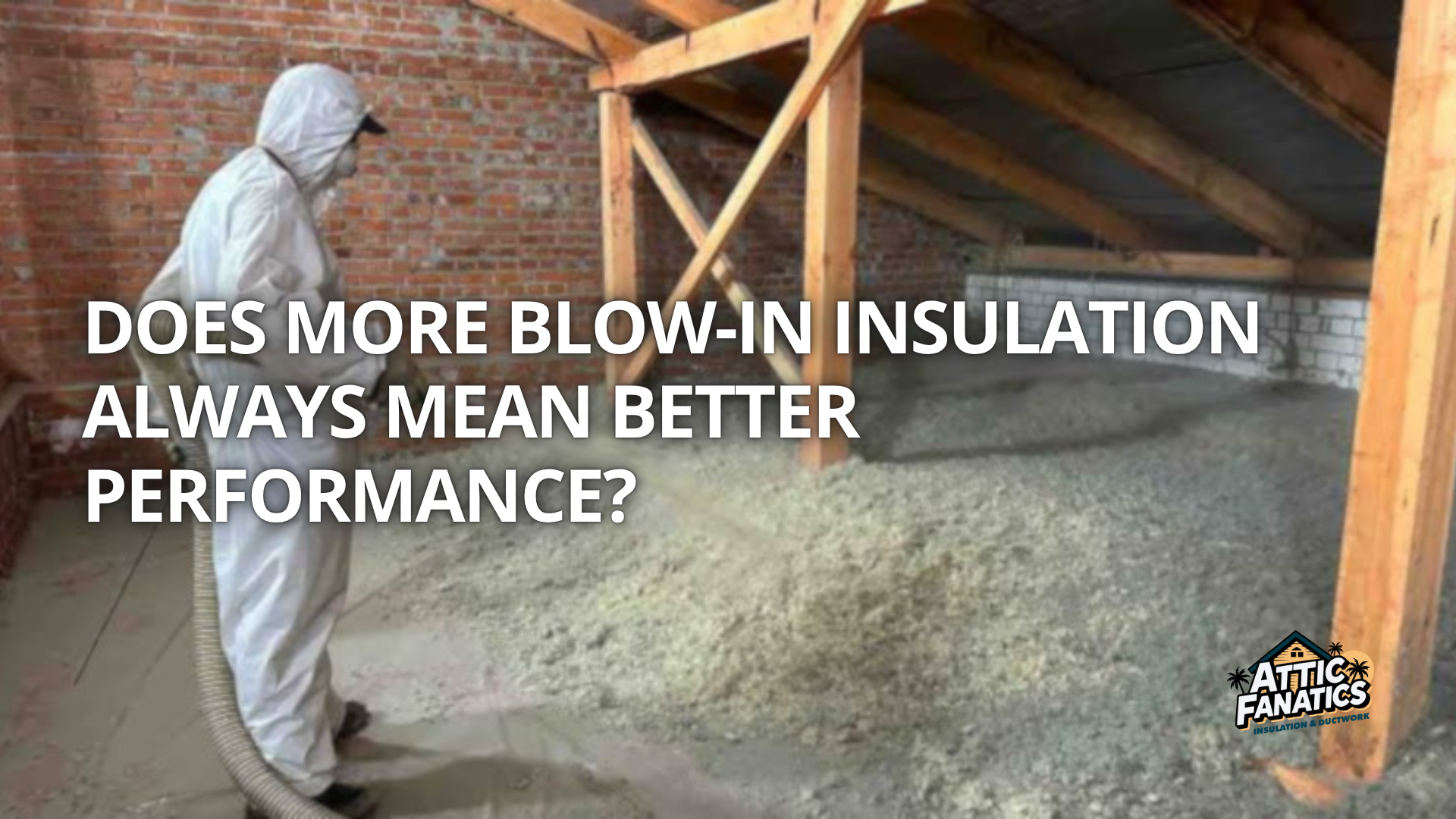
Adding more insulation seems like an easy solution when a home feels uncomfortable or energy bills keep rising. More material should mean better results, right? Not always.
A high-performing home depends on the right balance of insulation levels, proper installation, and a well-managed attic environment. Adding extra material without checking existing conditions can sometimes hide problems instead of fixing them.
Does More Blow-In Insulation Improve Every Home?
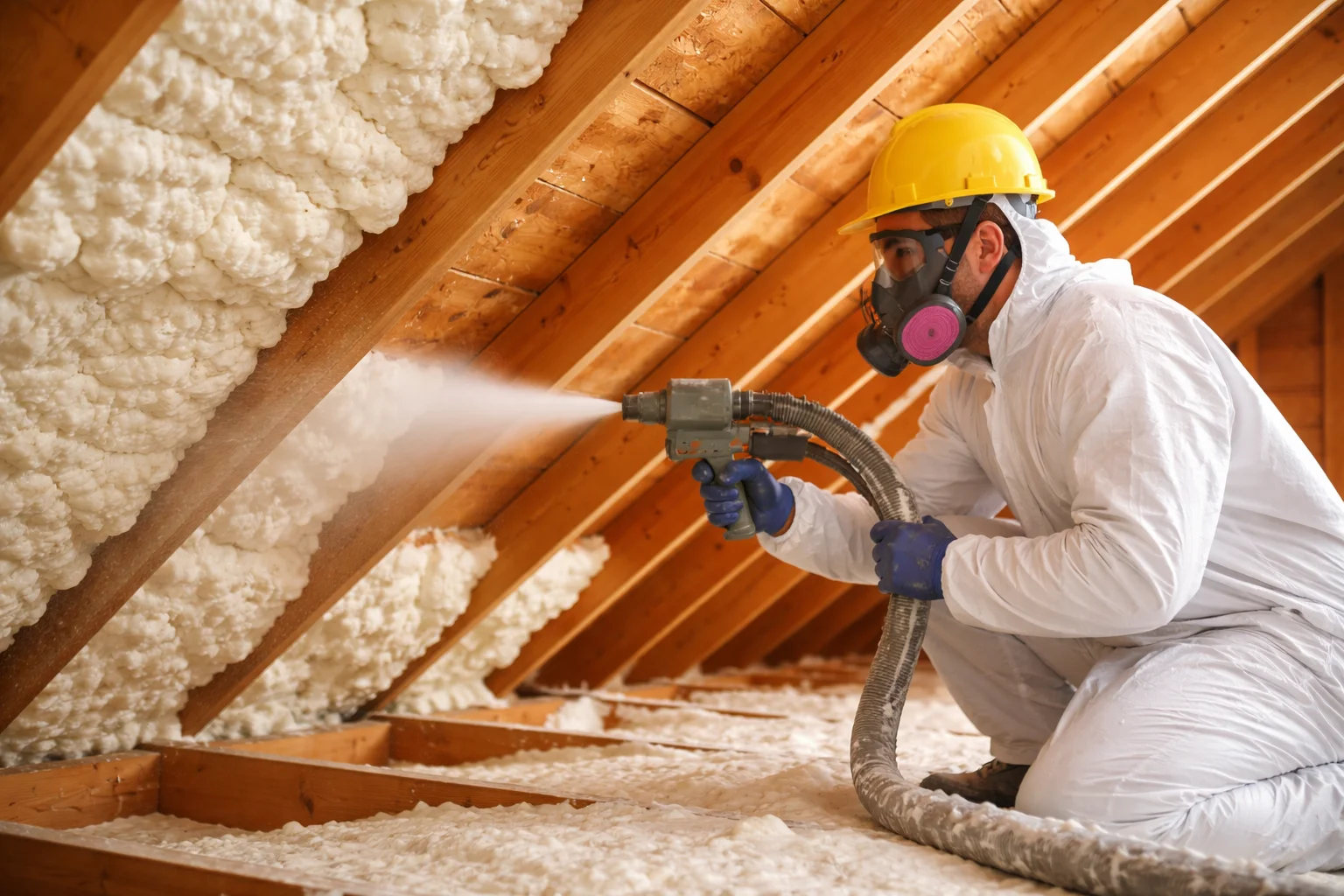
Blow-in insulation works by creating a thermal barrier that slows heat movement between indoor and outdoor spaces. When installed correctly, it helps improve comfort and reduces unnecessary strain on heating and cooling systems.
However, performance is not based only on quantity. The condition, placement, and overall setup matter just as much as how much material is added.
Why Insulation Depth Matters
Finding the Right Thickness
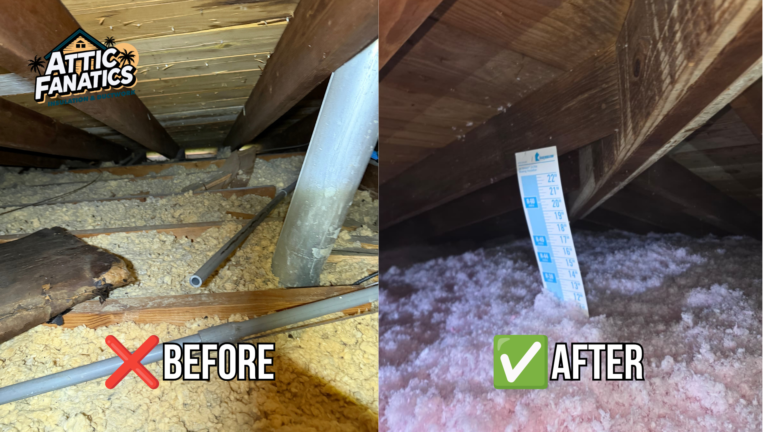
Insulation depth plays an important role in energy performance. A layer that is too thin may allow excessive heat transfer, while the correct amount helps maintain stable indoor temperatures. The goal is reaching the recommended level for the home rather than simply adding unlimited material.
Understanding R-Value
R-value measures how well insulation resists heat movement. Higher values generally provide stronger thermal protection, but improvements become smaller once the recommended level is reached. After a certain point, adding extra material may provide limited benefits compared to fixing other performance issues affecting the home.
When More Stops Helping
Insulation reaches a point where additional layers create diminishing returns. If a home already has the proper insulation level, adding more material may not significantly improve comfort or reduce energy costs. Other issues, such as air leaks, poor circulation, or trapped heat, may need attention first.
Problems Caused by Adding Too Much Material
Blocked Ventilation
Proper airflow is essential for maintaining a healthy attic environment. Adding too much material in the wrong areas can block vents and prevent heat or moisture from escaping. Poor air circulation can create humidity issues that affect both insulation performance and surrounding materials.
Compression Issues
Insulation works because it traps air within the material. When layers become compressed, that structure changes, reducing effectiveness.
More material does not always equal better results if the installation reduces the insulation’s ability to function correctly.
Hidden Moisture Concerns
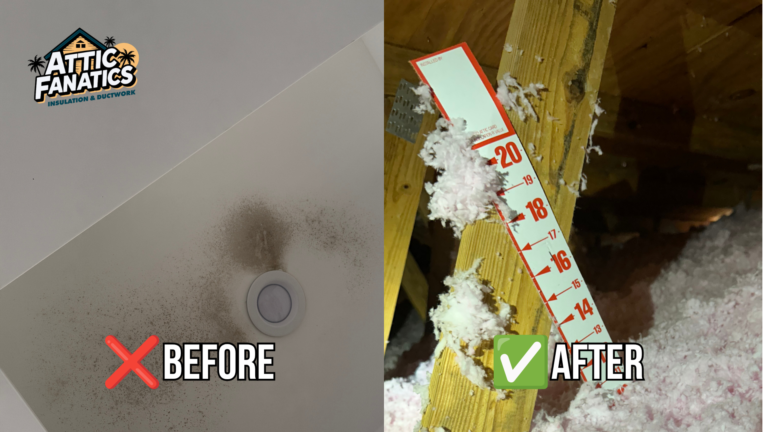
Adding new material over damaged or damp insulation can trap existing problems underneath. Moisture issues should always be corrected before making upgrades. Covering damaged areas without inspection may lead to mold concerns or continued efficiency loss.
When to Add Attic Insulation
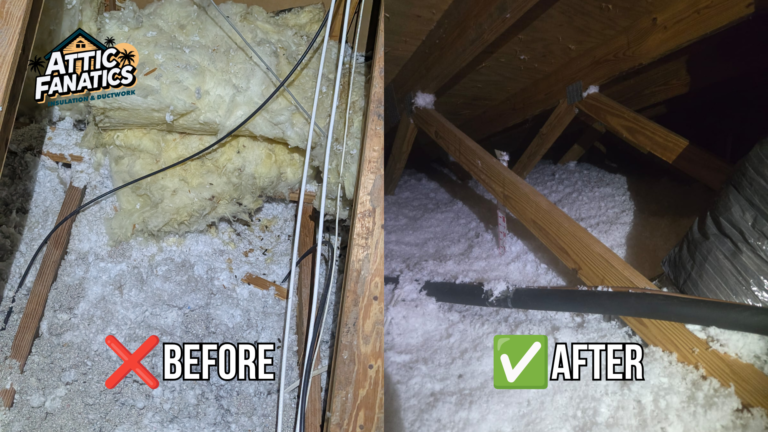
Adding more insulation can be beneficial when the current layer is too thin, uneven, or no longer meeting efficiency needs. A proper evaluation helps determine whether additional material will actually solve the problem.
Common signs that improvements may be needed include:
 Uneven room temperatures throughout the home
- Higher energy bills without increased usage
- Thin or inconsistent insulation coverage
- Signs of moisture or material damage
- Heating and cooling systems running frequently
 Uneven room temperatures throughout the home
 Higher energy bills without increased usage
 Thin or inconsistent insulation coverage
 Signs of moisture or material damage
 Heating and cooling systems running frequently
Identifying the real cause ensures homeowners choose the right solution instead of simply adding more material.
Planning an Attic Insulation Upgrade the Right Way
An attic insulation upgrade should begin with a complete evaluation of the home’s existing conditions. Professionals check current materials, hidden gaps, moisture concerns, and overall performance before recommending improvements.
This approach helps determine whether adding more coverage, replacing old materials, or correcting underlying issues will provide the best long-term results.
How Attic Fanatics Improves Home Performance
Before suggesting any insulation upgrades, Attic Fanatics takes the time to assess the home’s current condition. Rather than automatically recommending additional insulation, the team examines factors such as existing insulation performance, attic ventilation, and overall attic health. This approach helps ensure that homeowners receive recommendations tailored to their property’s specific needs, supporting long-term comfort, improved efficiency, and better energy savings.
Better Insulation Starts With the Right Balance
Effective insulation is not about adding the maximum amount possible. It is about creating a balanced system where materials, airflow, and home conditions work together. The right amount of properly installed insulation can improve comfort, maintain consistent temperatures, and prevent unnecessary upgrades in the future.