💧 How to Fix Sweating Attic Ducts in South Florida
If you’ve ever gone into your attic and noticed water droplets forming on air ducts, you’re not looking at a plumbing leak. You’re likely dealing with duct condensation, a common problem in South Florida’s hot and humid climate. While a little moisture may seem harmless, sweating ductwork can lead to much larger issues over time. Persistent condensation can contribute to mold growth, damage surrounding materials, reduce HVAC efficiency, and increase energy expenses. The good news is that this problem is often preventable when insulation, ventilation, and humidity control work together properly.
❓ What Causes Sweating Attic Ducts
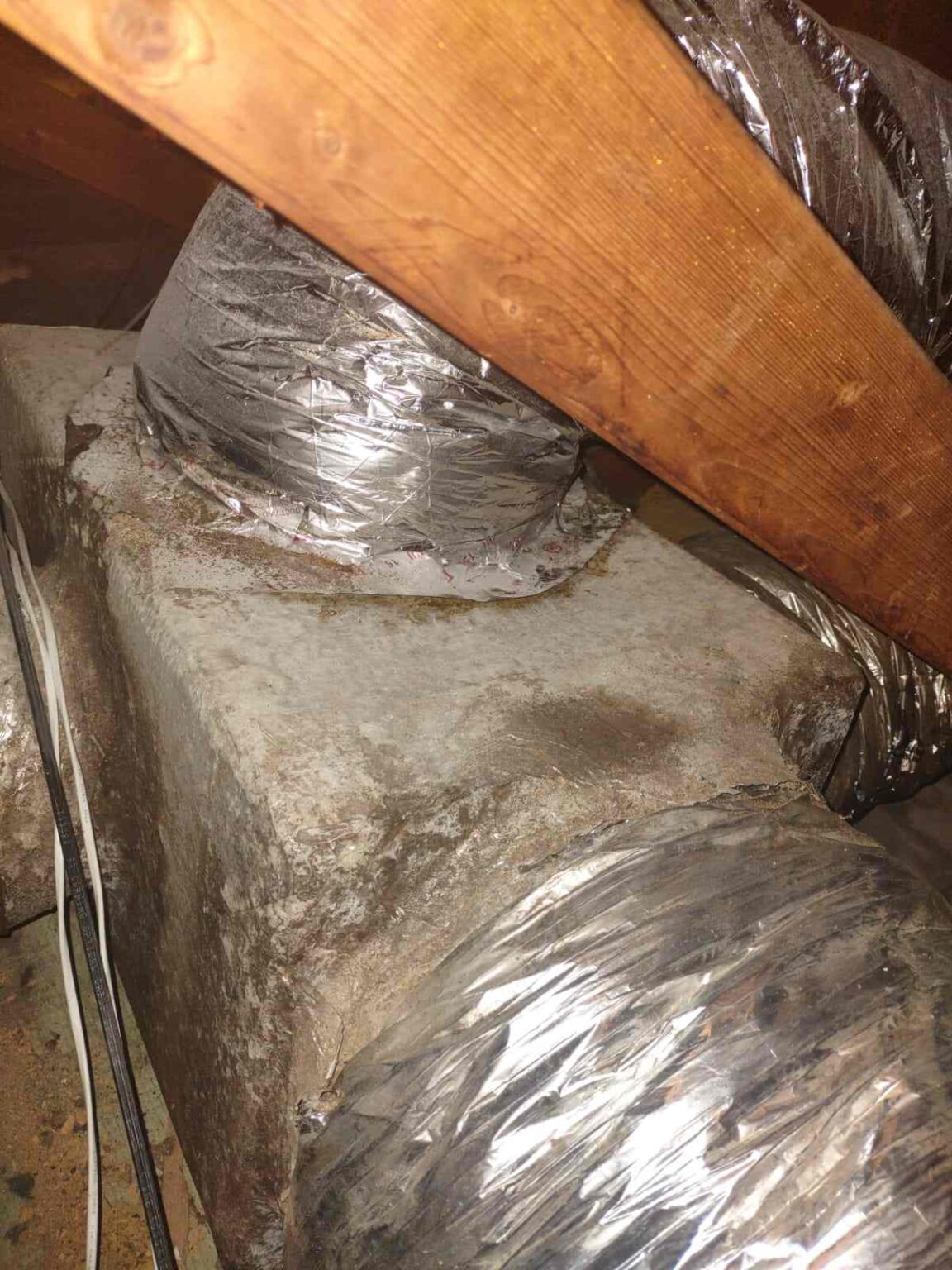
Condensation forms when warm, humid air comes into contact with a cooler surface. In an attic environment, this often means humid air meeting cold air-conditioning ducts.
🌡️ Temperature Differences
Air moving through ducts is significantly cooler than the surrounding attic environment. During summer months, attic temperatures can climb well above outdoor temperatures, creating a large temperature gap between the duct surface and the surrounding air. When humid air touches the cooler metal surface, moisture forms just like water droplets on a cold drink sitting outside on a hot day.
☀️ High Humidity Levels
South Florida’s climate naturally contains high moisture levels throughout much of the year. Excess humidity increases the likelihood of condensation developing on cold surfaces inside the attic. This is one of the primary causes of sweating attic ducts, especially during periods of extreme heat and humidity.
🌀 Poor Attic Ventilation
When warm air becomes trapped in the upper portion of the home, humidity levels rise and temperatures increase. Without adequate ventilation, moisture has nowhere to escape. Poor airflow creates conditions where condensation becomes more frequent and more severe.
🧱 The Connection Between Insulation and Duct Condensation
Many homeowners focus on the ducts themselves, but insulation often plays a major role in controlling moisture problems.
📉 Insufficient Attic Insulation
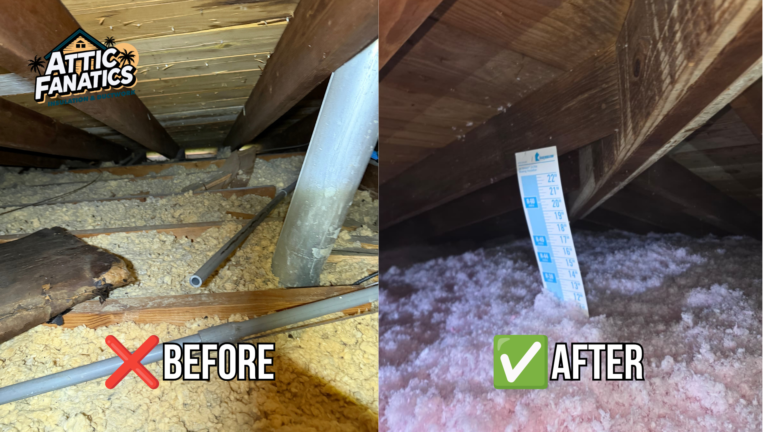
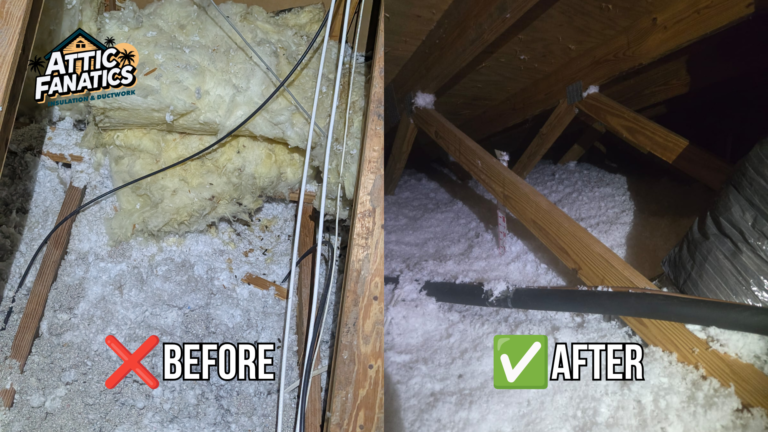
When insulation levels are inadequate, more heat enters the attic from the roof above. Higher temperatures increase the contrast between cooled ducts and surrounding air, making condensation more likely. A properly insulated attic helps moderate temperature extremes and reduce the conditions that contribute to moisture formation.
🚪 Air Leakage Issues
Small openings around vents, wiring penetrations, plumbing lines, and access points allow warm, humid outdoor air to enter the attic. These leaks increase humidity levels and create additional opportunities for condensation to develop on duct surfaces.
⚙️ HVAC Performance Effects
When moisture forms on ductwork, HVAC systems often have to work harder to maintain comfortable indoor temperatures. Air loss, heat gain, and humidity issues can all reduce system efficiency. Proper ductwork insulation and air sealing help support more consistent HVAC performance while reducing unnecessary energy consumption.
⚠️ Risks of Ignoring Sweating Ducts
Condensation is not just a cosmetic issue. Over time, persistent moisture can create several costly problems.
🦠 Mold Growth
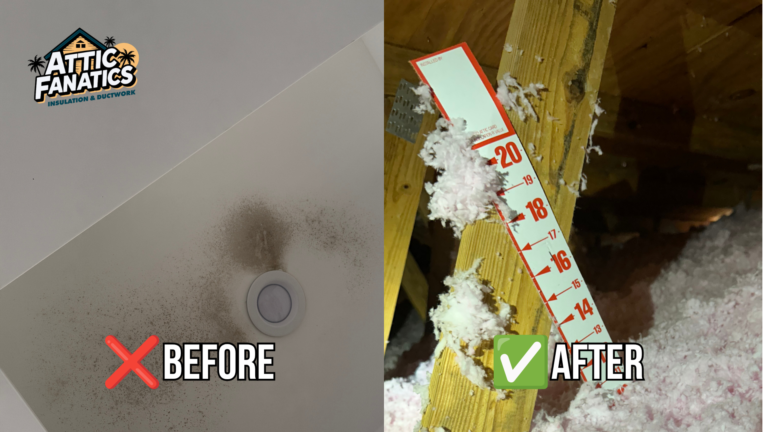
Moisture and warm temperatures create favorable conditions for mold development. Damp duct surfaces and surrounding materials can become breeding grounds for microbial growth if moisture remains present. This risk becomes even greater when attic humidity problems go unresolved for extended periods.
🏚️ Ceiling Damage
Water dripping from ducts can soak insulation, stain ceilings, and damage drywall. What starts as a small amount of condensation can eventually lead to visible interior damage. Homeowners sometimes mistake these stains for roof leaks when condensation is actually the source.
💸 Increased Cooling Costs
Moisture-related inefficiencies can force cooling systems to run longer than necessary. Reduced efficiency means higher utility bills and increased wear on HVAC equipment.
💦 Water dripping from duct surfaces
🧽 Damp insulation around ductwork
🏚️ Ceiling stains below attic areas
🦨 Musty odors caused by moisture
📉 Reduced HVAC efficiency These warning signs should not be ignored, especially in humid climates.
🛠️ Solutions for Controlling Attic Moisture
Effective solutions focus on reducing humidity, improving airflow, and limiting temperature extremes. Improving insulation levels helps reduce heat transfer into the attic. Air sealing prevents humid outdoor air from entering the space through gaps and cracks. Proper ventilation allows trapped heat and moisture to escape more effectively. Addressing all three factors together is often more effective than focusing on a single issue alone. When evaluating attic condensation concerns, professionals typically assess insulation levels, airflow pathways, ventilation performance, and overall moisture conditions before recommending corrective measures.
🦉 How Attic Fanatics Improves Attic Efficiency
Attic Fanatics approaches moisture control by evaluating the entire attic system rather than focusing solely on the visible symptoms. This includes assessing insulation performance, identifying air leakage pathways, and reviewing ventilation conditions that contribute to condensation. By addressing the root causes of moisture buildup, the goal is to improve efficiency, reduce humidity-related problems, and support better long-term HVAC performance.