🏠 Roof Leak? When to Remove Your Attic Insulation
A roof leak rarely stays confined to the spot where water first enters. What begins as a small drip can spread through surrounding materials, travel along structural components, and saturate insulation far beyond the visible damage. By the time a stain appears on a ceiling, moisture may have already been sitting in the upper portion of the home for days or even weeks. Many homeowners focus on repairing the roof itself, assuming the problem is solved once the leak stops.
However, insulation exposed to moisture can continue causing problems long after the source of water is fixed. In Florida’s humid climate, delaying atiic cleanup increases the risk of mold growth, reduced energy efficiency, and hidden structural deterioration.
❓ Why Even Small Roof Leaks Can Damage Attic Insulation
Insulation is designed to trap air and resist heat transfer. When moisture enters the material, those thermal properties begin to change. Even a relatively minor leak can affect performance if water remains trapped inside the insulation layer.
💧 How Moisture Spreads Through Insulation
Water rarely stays concentrated in one location. Depending on the type of material, moisture can spread outward, saturating areas that appear untouched from the surface. Fiberglass, cellulose, and other common insulation products react differently to water exposure, but all lose effectiveness when moisture becomes trapped within the material. In many cases, damage extends further than homeowners initially expect.
🍄 Mold Risks After a Roof Leak
Mold requires moisture, organic material, and time to develop. Once insulation becomes damp, conditions may become favorable for microbial growth, particularly in warm environments. This risk is especially concerning when dealing with attic mold after roof leak situations, where moisture may remain hidden for extended periods before being discovered.
🔍 Hidden Contamination Homeowners Often Miss
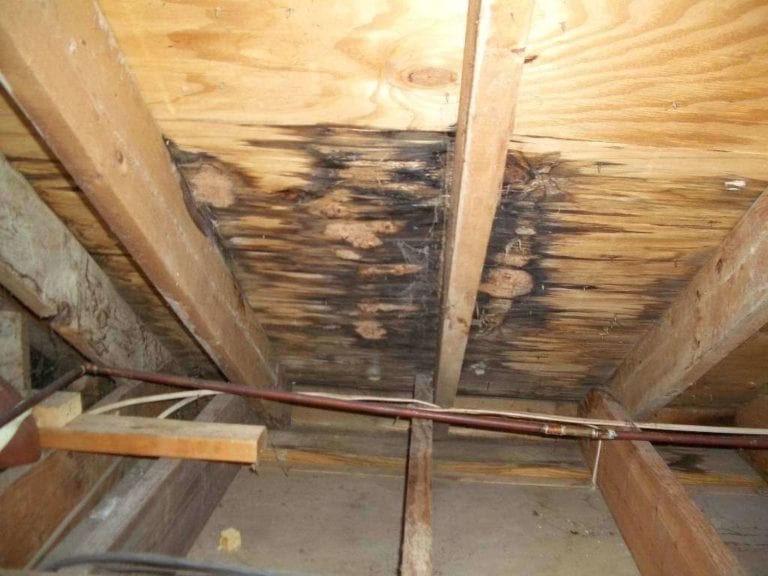
Not all damage is visible. Moisture can collect beneath insulation layers, around roof decking, or near framing components without obvious warning signs. A leak that appears isolated may actually affect a much larger area. This hidden contamination often remains undetected until odors, mold, or structural problems begin to appear.
⚠️ Signs Insulation Should Be Removed After a Leak
While some situations allow insulation to be dried successfully, others require complete removal to prevent ongoing issues.
📉 Wet or Compacted Insulation
Once insulation becomes saturated, it often compresses and loses its ability to provide thermal resistance. Compacted material rarely performs as intended even after drying. This is one of the most common indicators that replacement may be necessary.
🦨 Persistent Musty Odors
A lingering musty smell often signals trapped moisture or microbial activity. If odors remain after the leak has been repaired, the insulation may still be holding moisture. Ignoring these odors can allow hidden damage to worsen over time.
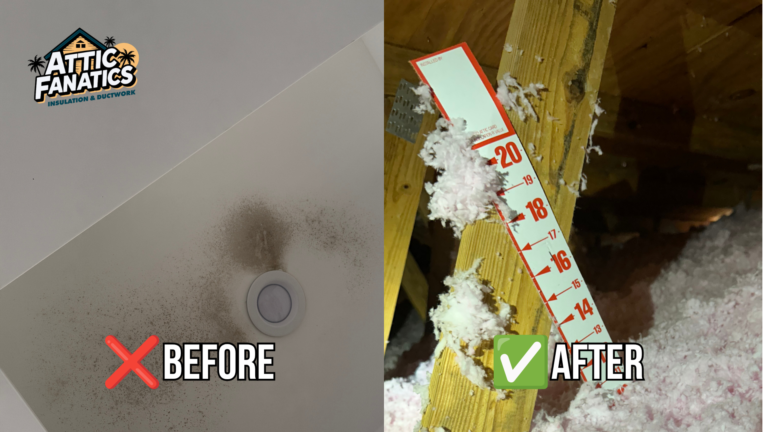
🦠 Visible Mold Growth
Any visible mold on insulation, surrounding wood, or nearby materials should be treated seriously. Once mold becomes established, removal is often safer and more effective than attempting to preserve contaminated material.
👀 Dark staining on insulation surfaces
💦 Persistent dampness after repairs
👃 Strong musty odors
🌱 Visible microbial growth
🏚️ Compressed or deteriorated material These signs often indicate that replacement should be considered rather than drying alone.
🪵 When Drying Is Enough and When Removal Is Necessary
Not every leak automatically requires replacement. The extent of exposure, duration of moisture, and material condition all influence the decision.
🛠️ Minor Isolated Leaks
If water exposure is limited, discovered quickly, and addressed immediately, some insulation materials may be dried and preserved successfully. Early intervention significantly improves the chances of avoiding replacement.
⏳ Long-Term Moisture Exposure
When moisture remains trapped for extended periods, the risk of contamination increases substantially. Saturated material may lose effectiveness and become difficult to restore. In these cases, removal is often the safer long-term solution.
☀️ Florida Humidity Considerations
Humidity complicates the drying process. Even after a leak stops, elevated moisture levels can slow evaporation and allow damp conditions to persist. This is one reason wet insulation removal projects frequently require more extensive evaluation than similar situations in drier climates.
👷 Professional Inspection and Insulation Replacement Process
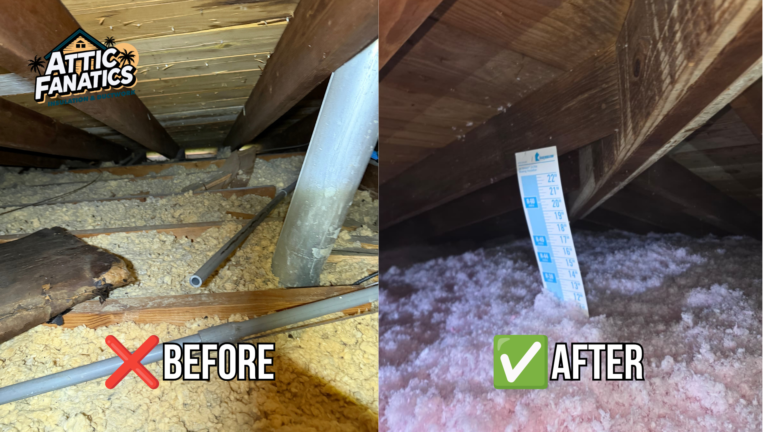
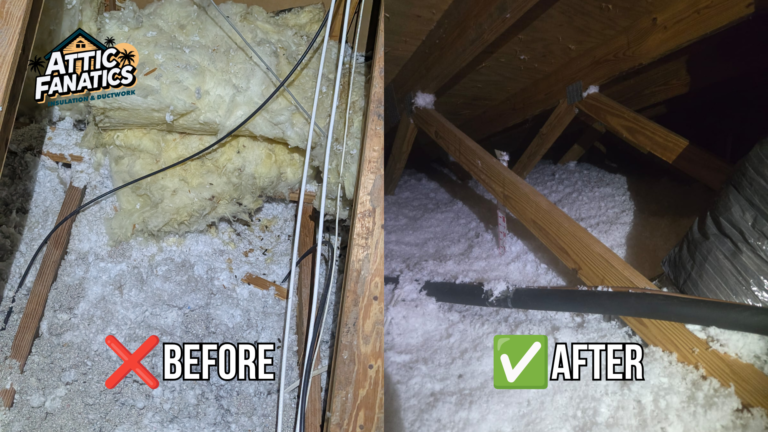
A proper inspection involves more than checking for visible water damage. Moisture meters, thermal imaging, and physical evaluation help determine how far moisture has spread and whether contamination is present. The replacement process typically includes identifying affected areas, removing damaged materials, addressing moisture sources, and installing new insulation once conditions are fully dry. Many attic insulation after water damage projects also include evaluation of surrounding structural components to ensure hidden moisture has not caused additional problems.
🦉 How Attic Fanatics Restores Attics After Water Damage
Attic Fanatics approaches water-damaged attic restoration by assessing the full extent of moisture exposure before recommending repair or replacement. This includes evaluating insulation condition, identifying contamination risks, and ensuring affected materials are addressed properly before new insulation is installed. By focusing on both moisture removal and long-term performance, the restoration process helps prevent recurring issues that often develop when damaged insulation is left in place.