Best Attic Insulation to Avoid Future Upgrades 🏠
Many homeowners replace or upgrade insulation sooner than expected not because the material was defective, but because the original system was never designed for long-term performance. Poor installation, trapped moisture, and low-quality materials often shorten the lifespan of an otherwise functional setup.
A durable insulation system should remain effective for years without major adjustments. The key is choosing materials that match the home’s climate, structure, and airflow conditions from the start.
🔍 Why Frequent Insulation Upgrades Happen
Insulation loses effectiveness when it becomes compressed, damaged, or exposed to moisture over time. In many homes, the issue begins long before homeowners notice changes in indoor comfort.
Weak airflow management, air leakage, and uneven installation are some of the most common reasons upgrades become necessary earlier than expected.
🧱 Materials That Last Longer
🧪 Spray Foam Stability
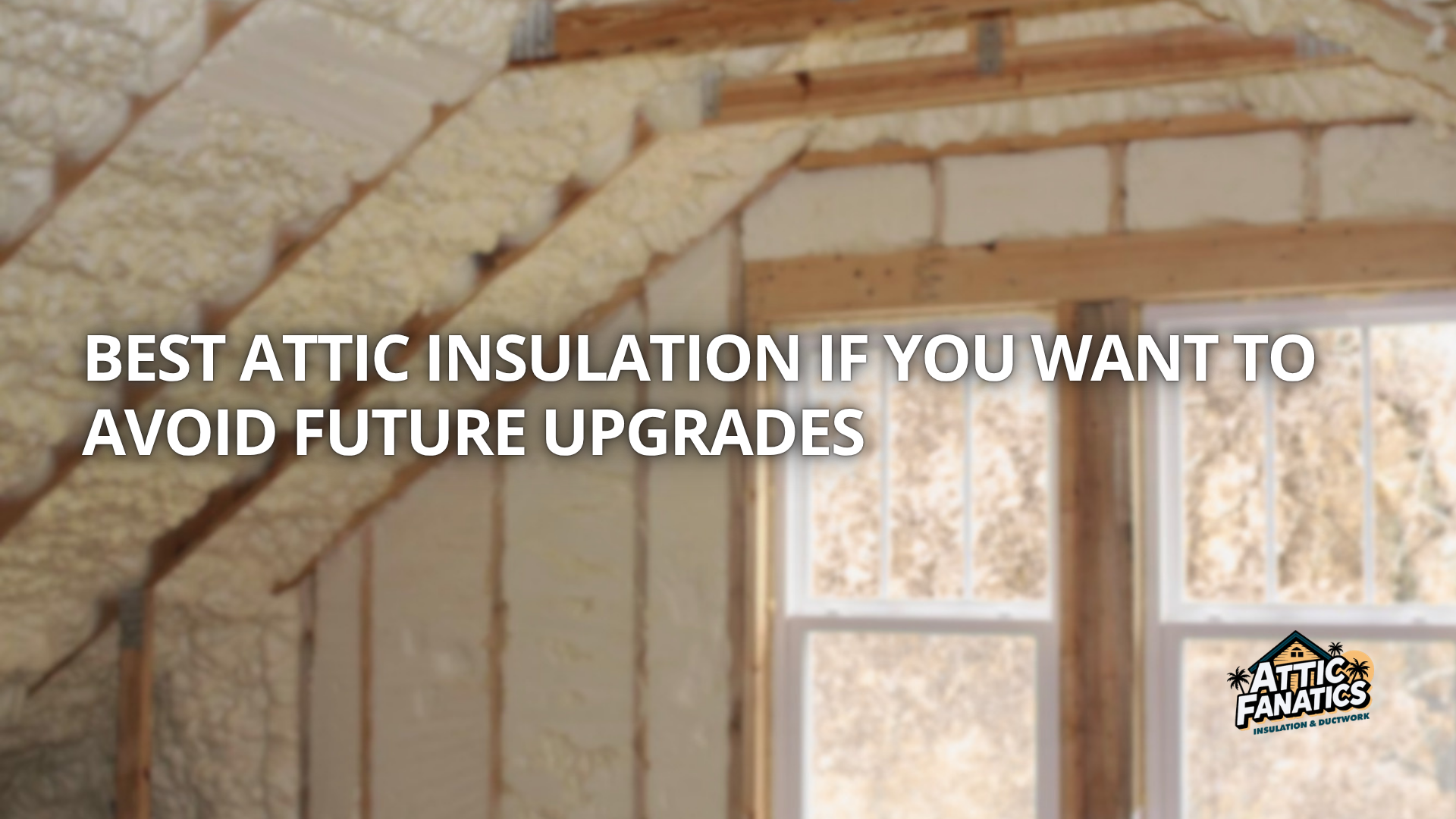
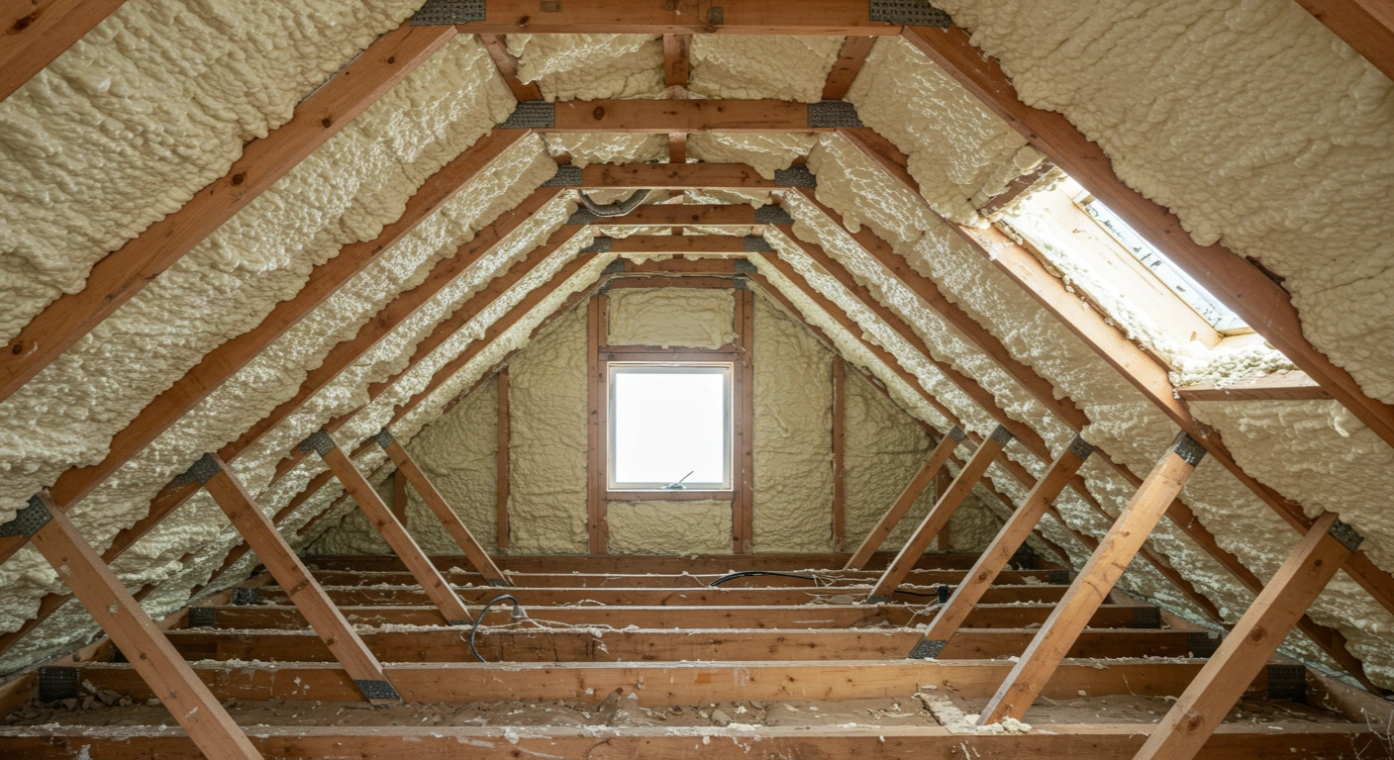
Spray foam is known for maintaining its shape and thermal performance over long periods. Because it expands into gaps and hardens in place, it is less likely to shift or settle.
Its sealing ability also helps reduce unwanted air movement, improving long-term efficiency.
🌿 Dense-Pack Cellulose
Dense-pack cellulose performs well when installed correctly because it resists large air pockets and creates more complete coverage. Its compact structure helps limit settling compared to loose-fill applications.
🧵 High-Quality Fiberglass Systems
Modern fiberglass systems can provide stable performance when installed with proper coverage and airflow planning. Higher-quality materials are less likely to sag or compress over time.
These options are often discussed in long lasting attic insulation evaluations where durability is a major priority.
⚠️ Common Causes of Early Failure
❌ Poor Installation
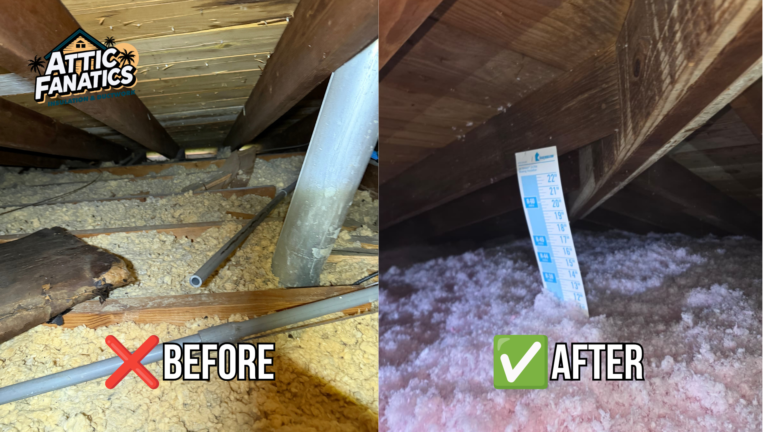
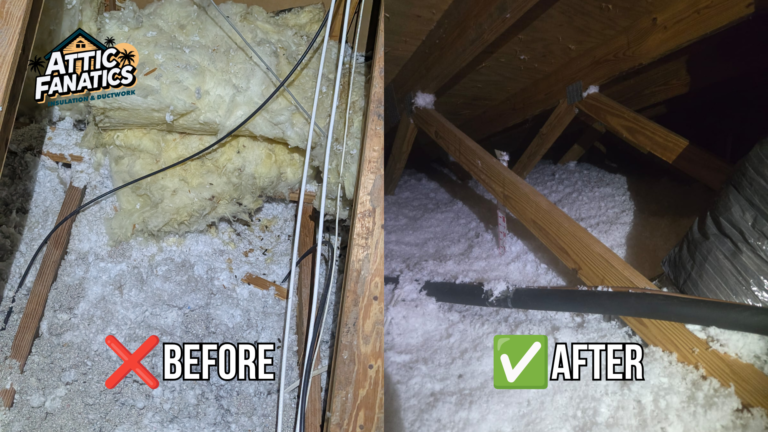
Even high-quality materials can fail prematurely if they are installed unevenly or without proper preparation. Gaps and inconsistent coverage reduce efficiency from the beginning.
💧 Moisture Issues
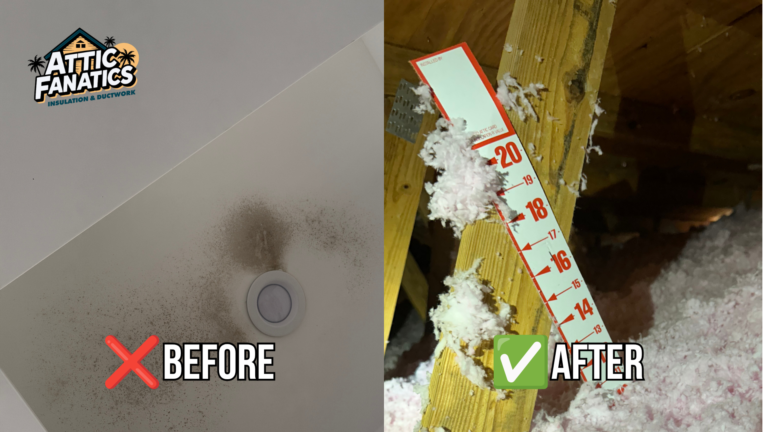
Humidity and roof leaks gradually weaken insulation performance. Damp conditions can lead to compression, deterioration, and mold-related problems over time.
📉 Settling and Compression
Some materials naturally settle as years pass, reducing their ability to resist heat transfer. Compression can also occur when materials are disturbed or overloaded.
- 💧 Moisture exposure reducing effectiveness
- 📉 Compression limiting thermal resistance
- 🌬️ Air leaks weakening performance
- ❌ Uneven installation creating gaps
These issues are among the most common reasons insulation systems require earlier upgrades.
🛠️ How to Choose “Future-Proof” Insulation
🌡️ R-Value Considerations
R-value measures how effectively insulation resists heat transfer. Choosing the correct level for the home’s climate helps maintain stable indoor temperatures and long-term efficiency.
☀️ Climate Suitability
Different materials perform differently depending on humidity, temperature, and airflow conditions. Selecting a system suited to the local environment helps prevent premature wear.
🔒 Air Sealing Importance
Insulation performs better when paired with proper air sealing. Closing gaps around vents, wiring, and framing helps reduce heat movement and supports long-term stability.
These factors play a major role in best permanent insulation types comparisons focused on durability and efficiency.
🛠️ How Attic Fanatics Build Long-Term Solutions
Long-term performance depends on more than material selection alone. Professionals evaluate ventilation, moisture conditions, and structural layout before recommending a system.
A balanced approach helps insulation maintain efficiency while reducing the likelihood of future upgrades or repairs.
🌿 Insulation That Performs for Years
The best insulation system is one that continues working effectively without frequent adjustments or replacement. Durable materials, proper installation, and moisture control all contribute to long-term reliability.
When insulation is selected based on climate conditions and structural needs, homeowners can achieve stronger efficiency, improved comfort, and more stable performance over time.