Easiest Attic Insulation to Install and Maintain
Not every insulation project requires complicated equipment or major structural changes. Some materials are easier to install, simpler to maintain, and more forgiving over time which is why they remain popular for residential upgrades.
The challenge is balancing simplicity with long-term performance. A material that installs quickly may require more upkeep later, while others demand professional installation but stay effective for decades with minimal maintenance.
🔍 What Makes Insulation “Easy”
Ease of installation depends on several factors: how the material is applied, how much preparation is required, and how difficult it is to maintain after installation.
In easy attic insulation installation discussions, homeowners often focus on speed and affordability, but long-term care is just as important. Materials that resist moisture, settling, and pests generally require less maintenance over time.
🧱 Installation Complexity by Material
🧵 Fiberglass Batts
Fiberglass batts are one of the simplest options to install. They come in pre-cut sections that fit between framing spaces, making them a common choice for straightforward projects.
Because they are lightweight and widely available, they are often considered among the most accessible DIY attic insulation options.
🌿 Blown-In Cellulose
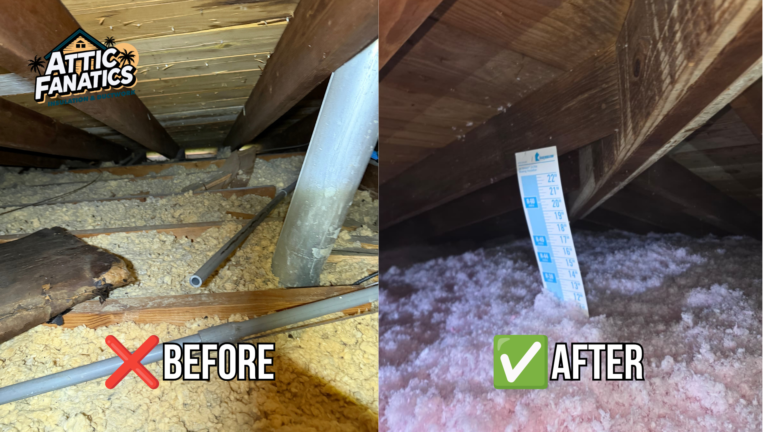
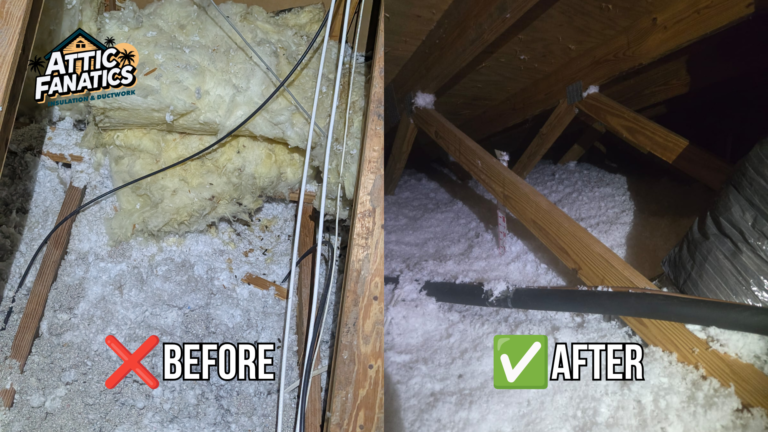
Cellulose is installed using specialized blowing equipment that distributes material evenly across open spaces. It provides strong coverage in irregular areas but requires more preparation than fiberglass batts.
The installation process is faster in large open areas, though professional equipment is usually needed for consistent results.
🧪 Spray Foam Systems
Spray foam is more complex because it requires controlled application and precise expansion. Installation is typically handled by trained professionals due to the equipment and expertise involved.
Although more demanding upfront, it creates an air-sealed barrier that reduces future maintenance concerns.
🛠️ Maintenance Requirements
📉 Settling and Reapplication
Some materials settle over time, reducing coverage thickness and thermal performance. Cellulose may require occasional topping off, especially in older homes.
Fiberglass generally maintains its shape longer if it remains dry and undisturbed.
💧 Moisture Monitoring
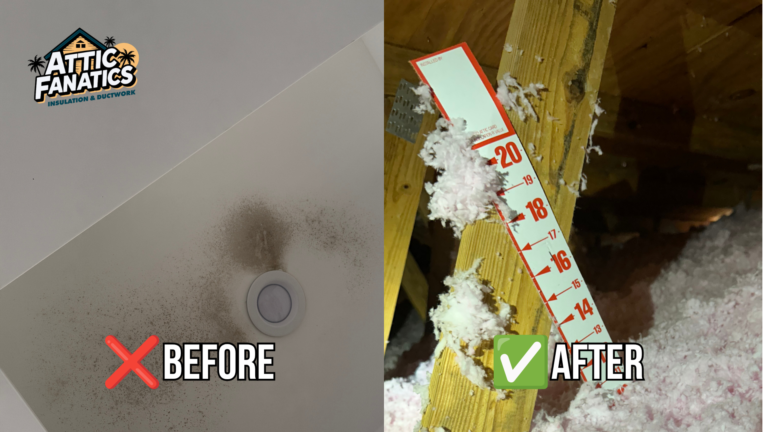
Moisture is one of the biggest threats to insulation performance. Damp conditions can reduce efficiency and lead to deterioration over time.
Regular inspection helps identify leaks or ventilation problems before they affect the material.
🐭 Pest Resistance
Certain insulation types are more vulnerable to pests nesting or burrowing inside. Dense materials and sealed systems tend to discourage pest activity more effectively.
These differences are important when comparing low maintenance insulation types for long-term use.
- 🧵 Fiberglass batts install quickly in open framing areas
- 🌿 Cellulose covers gaps effectively but may settle over time
- 🧪 Spray foam requires professional application but creates strong sealing
- 💧 Moisture control affects long-term maintenance needs
These factors influence how simple the system remains years after installation.
⚖️ Cost vs Simplicity Trade-Offs
🛠️ DIY vs Professional Installation
Some materials are suitable for homeowners with basic experience, while others require specialized tools and training. DIY installation may reduce upfront costs but can lead to uneven coverage if done incorrectly.
Professional installation increases cost but often improves consistency and long-term performance.
📊 Long-Term Upkeep Differences
Lower-cost materials sometimes require more monitoring or maintenance later. Higher-end systems may involve greater initial investment but remain stable with less upkeep over time.
This balance between simplicity and durability is often a major factor when choosing attic insulation contractors in Florida for installation projects.
🛠️ How Attic Fanatics Simplify Installation
Experienced installers evaluate the structure, airflow conditions, and accessibility before recommending materials. Matching the right insulation to the home reduces installation complications and long-term maintenance issues.
A well-planned approach improves efficiency while keeping upkeep manageable over the years.
🌿 Choosing the Right Balance Between Simplicity and Performance
The easiest insulation isn’t always the cheapest or fastest to install. Long-term reliability depends on how well the material matches the structure, climate, and maintenance expectations of the home.
By choosing materials that fit both the installation environment and future upkeep needs, homeowners can create a more efficient and lower-maintenance living space.
❓ Common Questions About Easy-to-Maintain Insulation
❓What insulation is easiest to install?
❓Can I install attic insulation myself?
❓Which insulation needs least maintenance?
❓Is blown-in insulation easy to maintain?