How Attic Insulation Handles Heat and Humidity 🌡️
Heat and humidity place constant stress on a home, especially in the uppermost areas where temperatures rise the fastest. During summer, roof surfaces can become significantly hotter than the outdoor air, creating conditions that challenge insulation performance every day.
The problem isn’t just heat alone. Moisture in the air can weaken insulation over time, reduce efficiency, and create conditions where mold and material deterioration become more likely. Choosing the right insulation means selecting a material that can handle both temperature extremes and long-term humidity exposure.
🌬️ Why Heat and Humidity Matter in Upper Spaces
Warm air naturally rises, which means the area beneath the roof absorbs and traps the highest temperatures inside the home. Without effective insulation, that heat transfers downward, forcing cooling systems to work harder.
Humidity creates an additional challenge. Moisture can settle into insulation materials, affecting how well they resist heat transfer and how long they maintain their structure. In attic insulation heat resistance discussions, climate conditions play a major role in determining which materials perform reliably over time.
🌡️ How Insulation Reacts to Temperature Changes
🔥 Thermal Resistance Basics
Insulation slows down heat movement by creating resistance between indoor and outdoor temperatures. Materials with stronger thermal resistance maintain more stable indoor conditions during extreme weather.
However, performance depends not only on material type but also on installation quality and airflow management.
🌪️ Airflow and Heat Trapping
When warm air becomes trapped beneath the roof, temperatures can rise dramatically. Proper insulation helps reduce this transfer, but poor airflow can still create overheating issues.
Balancing insulation with ventilation is essential for long-term humidity and insulation performance.
💧 Moisture Resistance in Insulation Types
🦠 Mold Risk Factors
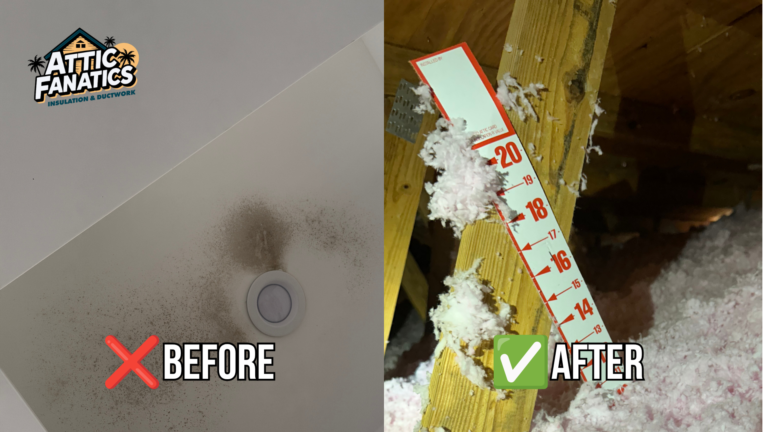
Moisture buildup increases the risk of mold growth, especially in enclosed areas with poor ventilation. Some insulation materials are more vulnerable to retaining moisture than others.
If humidity remains trapped for long periods, insulation may lose effectiveness and begin deteriorating.
🚧 Vapor Barriers
Vapor barriers help control moisture movement through ceilings and walls. These layers reduce the chance of condensation forming inside insulated spaces.
In hot climates, proper vapor management is often just as important as the insulation itself.
🧱 Best Materials for Hot and Humid Climates
🧵 Fiberglass Performance
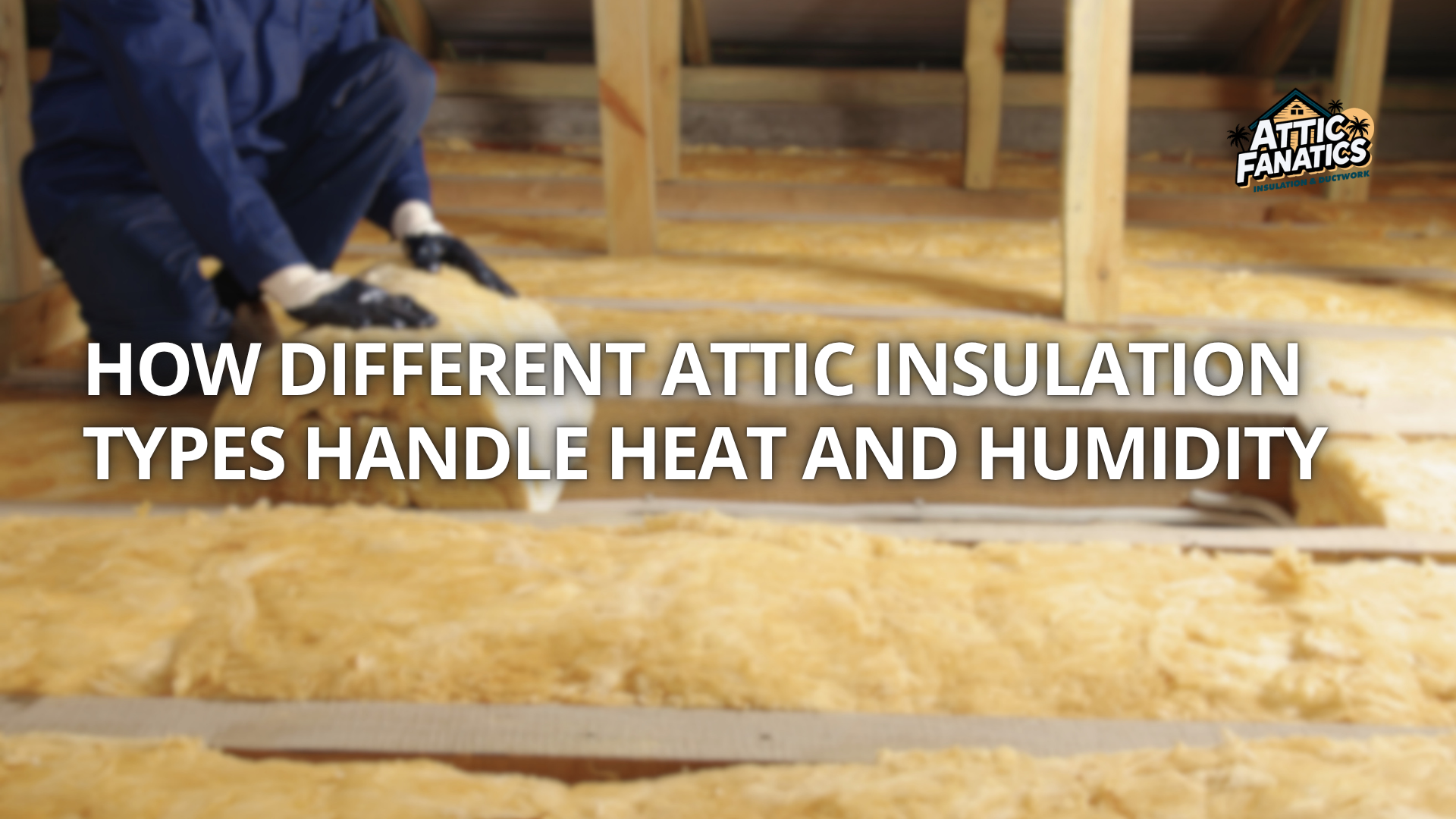
Fiberglass is widely used because it resists heat transfer effectively and does not absorb moisture easily. However, if it becomes damp, its performance can decline significantly.
🌿 Cellulose Behavior
Cellulose offers dense coverage and helps reduce air movement, but it can retain moisture if ventilation is inadequate. This makes airflow management especially important when using this material.
🧪 Spray Foam Advantages
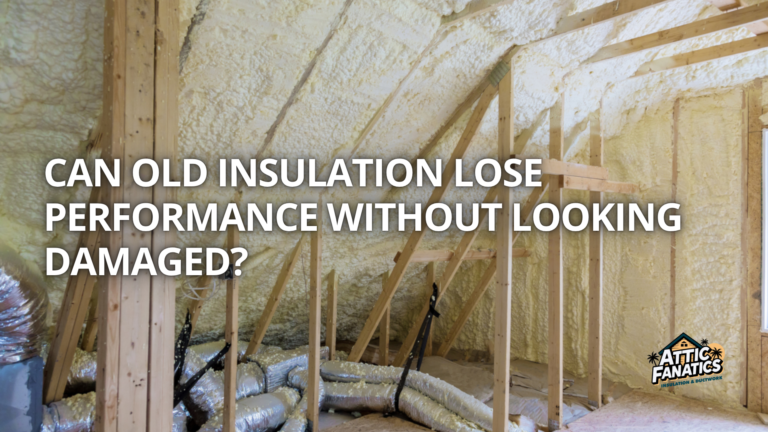
Spray foam creates an air-sealed barrier that helps control both heat transfer and moisture infiltration. Its sealing properties make it one of the strongest options for maintaining stable indoor conditions.
These characteristics are often considered when comparing best insulation for hot climates and long-term efficiency.
- 🌡️ High temperatures increase heat transfer pressure
- 💧 Moisture exposure affects insulation durability
- 🌪️ Poor ventilation can trap heat and humidity
- 🦠 Certain materials are more resistant to mold growth
These factors directly influence mold resistant insulation types and long-term performance.
🛠️ How Attic Fanatics Optimize Climate Performance
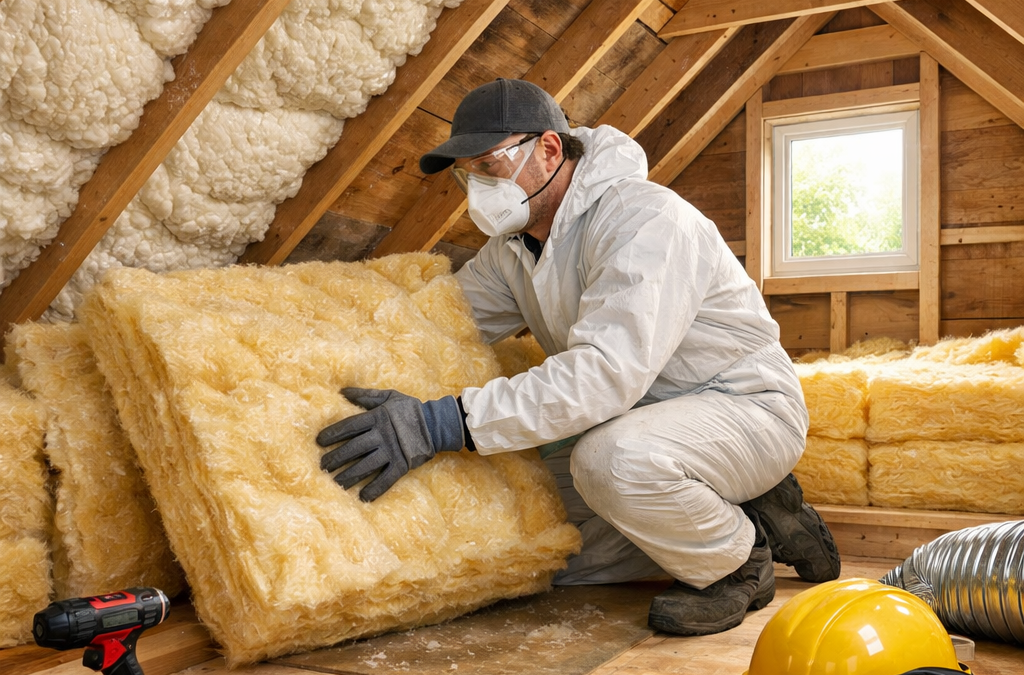
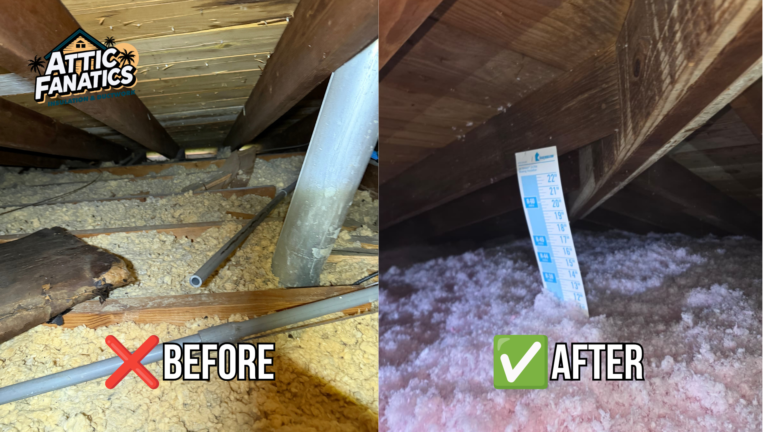
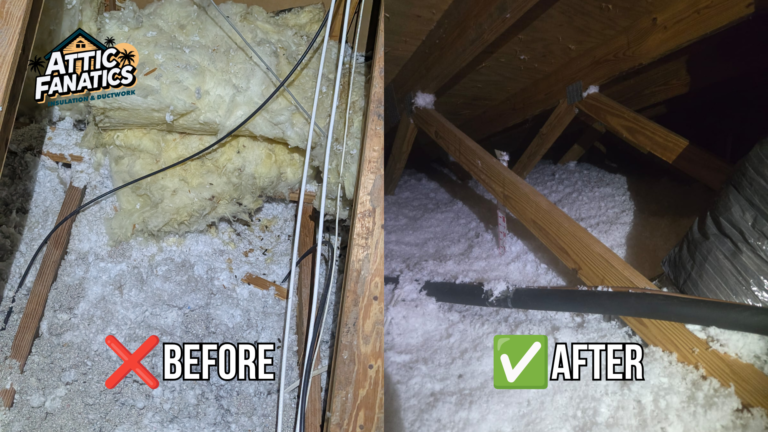
Professionals evaluate more than just insulation thickness. They assess ventilation patterns, moisture risks, and how heat moves through the structure before selecting materials.
A balanced approach helps insulation maintain efficiency while reducing the risk of moisture-related issues over time.
🌿 Long-Term Performance Depends on Climate Compatibility
Insulation performs best when it matches the environmental conditions inside the home. Materials that handle heat well may still struggle with humidity if airflow and moisture control are ignored.
By combining the right material with proper ventilation and sealing strategies, homeowners can improve comfort, reduce energy strain, and maintain stable performance for years.