What Drives the Cost of Attic Insulation Most 💰🏠
Insulation pricing can vary far more than most homeowners expect. Two homes of similar size can receive completely different quotes not because of the material alone, but because of hidden variables that affect installation complexity and performance.
Knowing what drives these costs makes it easier to evaluate estimates accurately and avoid paying for unnecessary upgrades or overlooking important improvements.
📊 Main Factors Affecting Insulation Cost
Pricing is rarely based on a single element. Instead, contractors evaluate a combination of materials, home structure, and installation conditions.
In attic insulation cost factors, the final price reflects both what is being installed and how difficult the environment is to work in.
🧱 Material Type and Pricing Differences
🧪 Fiberglass vs Cellulose vs Spray Foam
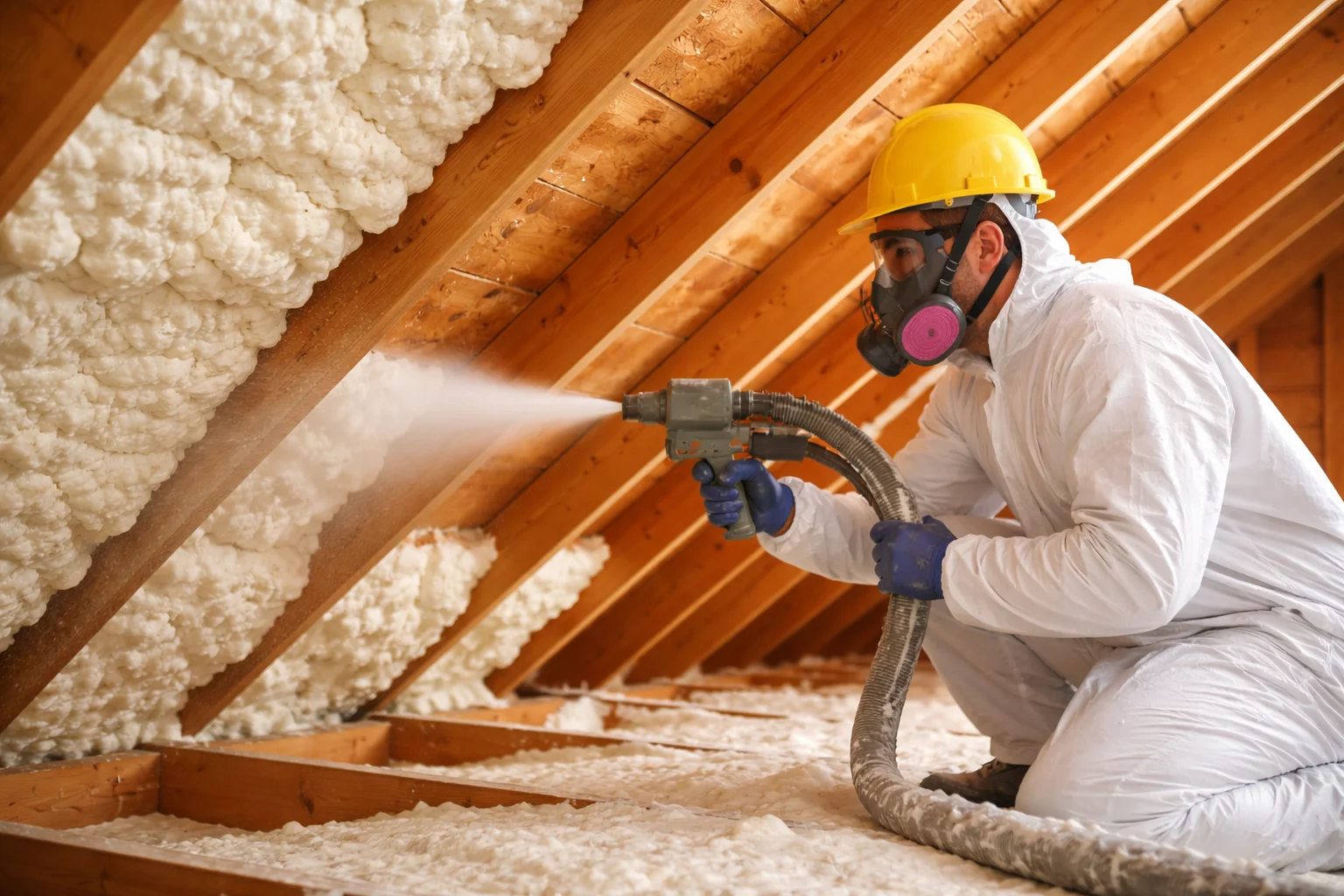
Different materials come with different price ranges and performance levels. Fiberglass is often the most affordable, while cellulose offers better coverage in certain spaces. Spray foam tends to cost more due to its application method and sealing properties.
Each option has its own balance between cost and long-term efficiency.
📏 Material Density and Thickness
The amount and thickness of material required also influence cost. Higher density and deeper coverage improve thermal resistance but increase material usage and labor time.
This is one of the main reasons insulation installation pricing can vary even within the same material category.
🏠 Home-Specific Factors
📐 Attic size and layout
Larger homes require more material and labor, but layout matters just as much. Complex designs with tight corners or multiple sections can increase installation difficulty.
🚧 Accessibility and Labor Difficulty
Limited access points, low clearance, or obstructions can slow down the process. When installers need extra time to move materials or work around structural elements, labor costs increase.
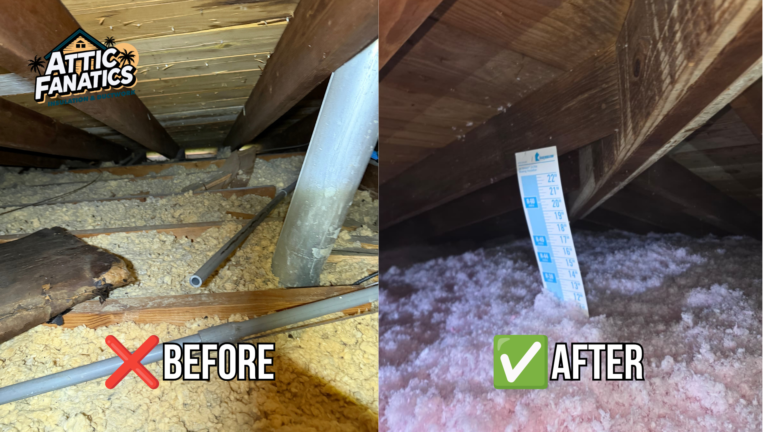
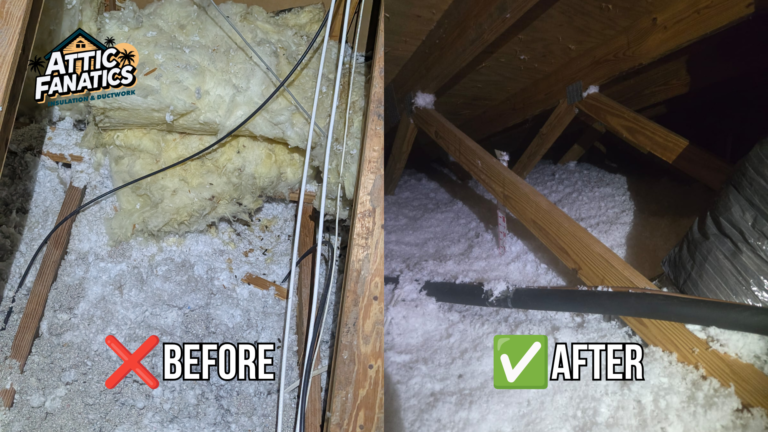
🧹 Existing Insulation Removal
If old material needs to be removed, this adds to both labor and disposal costs. In many cases, removing damaged or outdated layers is necessary before new insulation can be installed properly.
⚠️ Hidden Cost Factors Homeowners Miss
🔒 Air Sealing Requirements
Gaps and openings allow conditioned air to escape. Sealing these areas improves performance but adds an extra step to the project.
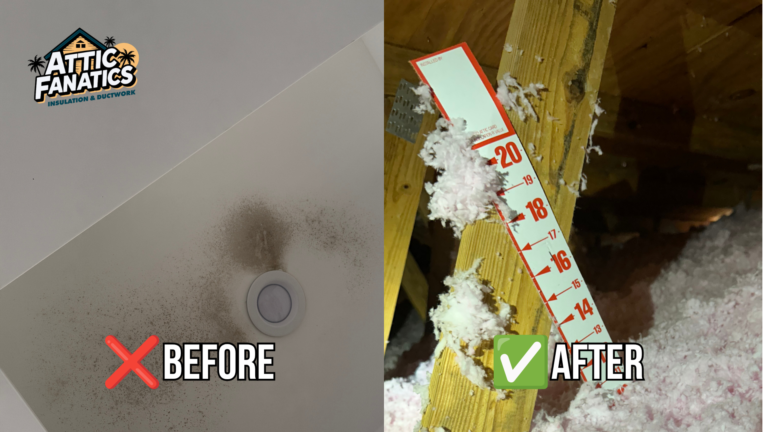
💧 Moisture or Mold Treatment
If moisture issues are present, they must be addressed before installation. Ignoring them can reduce effectiveness and lead to long-term damage.
🌬️ Ventilation Upgrades
Proper ventilation supports insulation performance. In some homes, upgrades are needed to maintain balanced airflow and prevent heat buildup.
- 🔍 Structural gaps requiring sealing
- 💧 Signs of moisture or past leaks
- 🌬️ Inadequate ventilation systems
- 🧱 Uneven surfaces needing preparation
These elements often appear during inspection and can influence the final attic insulation estimate.
🛠️ How Attic Fanatics Estimate Fair Pricing
A reliable estimate considers more than just square footage. Professionals evaluate material type, structural conditions, and installation complexity before providing a quote.
Following a structured approach ensures that pricing reflects the actual work required rather than a generic estimate. This helps homeowners understand how much does attic insulation cost based on real conditions rather than assumptions.
🌿 Why Cost Understanding Matters
Knowing what influences pricing helps homeowners make informed decisions. Instead of focusing only on the lowest quote, it becomes easier to evaluate what is included and whether it addresses the home’s actual needs.
A well-planned installation balances cost with performance, ensuring long-term comfort and efficiency without unexpected expenses.