Why Some Rooms Feel Great and Others Don’t 


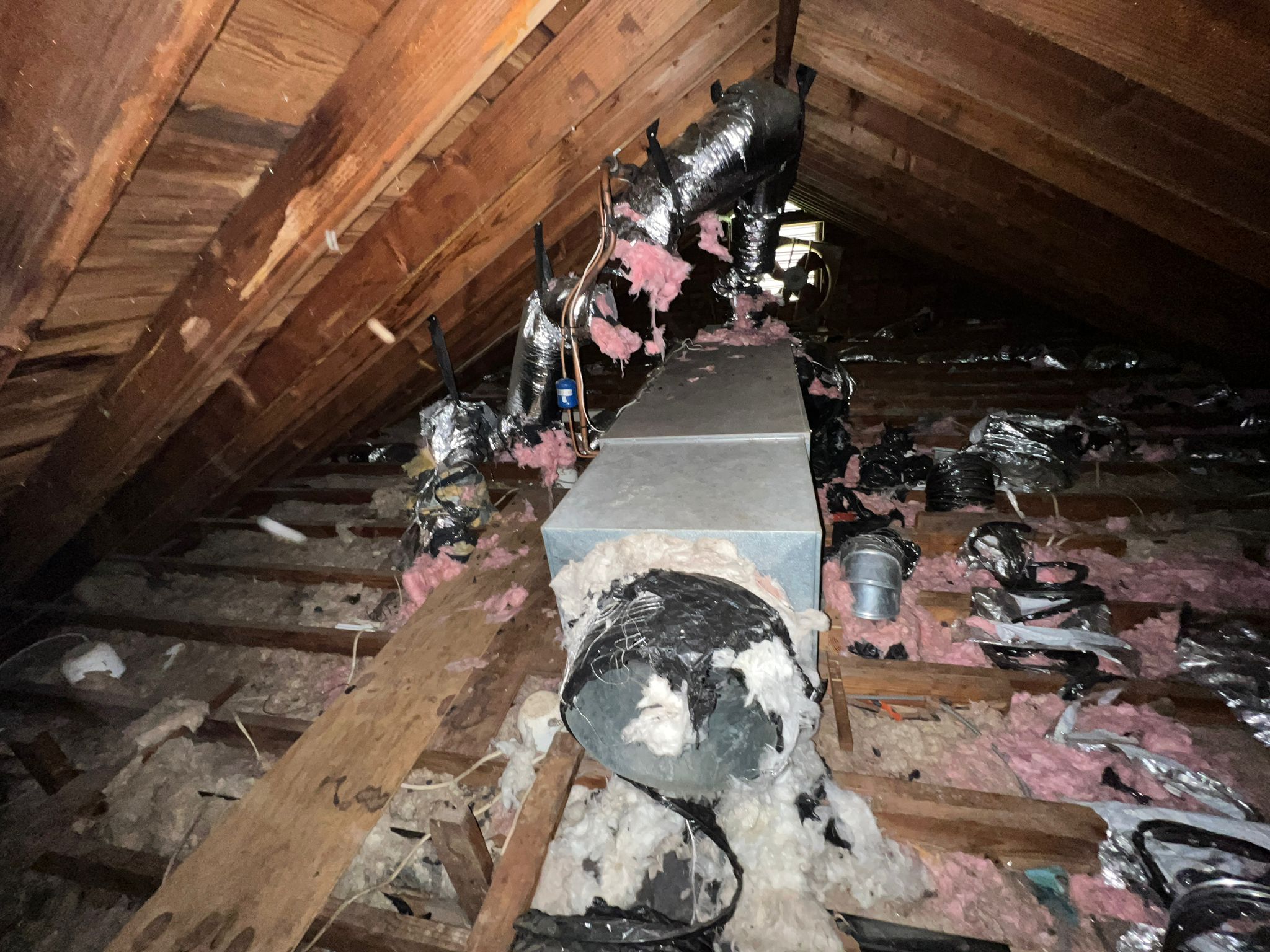
If one room in your home feels comfortable while another stays warm or stuffy, the issue usually isn’t your AC unit. It often points to deeper attic insulation issues affecting how your home handles heat and air distribution.
These small imbalances can quietly lead to ongoing home comfort problems, making it harder to maintain consistent conditions throughout the house.
Why Temperature Differences Happen in Homes
Homes are designed to maintain stable indoor conditions, but that balance depends on multiple factors working together. When one part underperforms, it creates uneven room temperature across different areas.
This can happen due to inconsistent insulation, poor air distribution, or structural gaps that allow heat to move freely. Even a well-functioning cooling system cannot fully compensate for these hidden issues.
The Attic’s Role in Uneven Comfort
 The Attic’s Role in Uneven Comfort
 Insulation Gaps
 Insulation Gaps
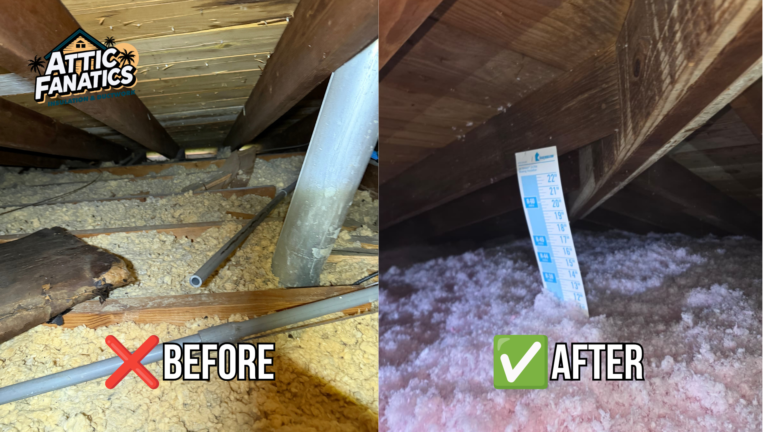
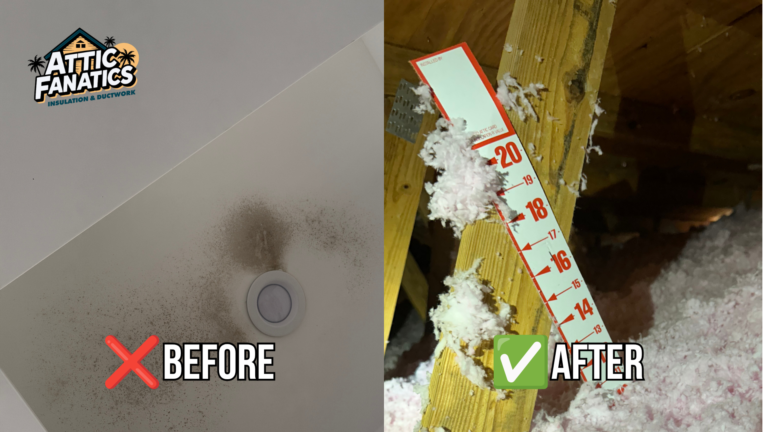
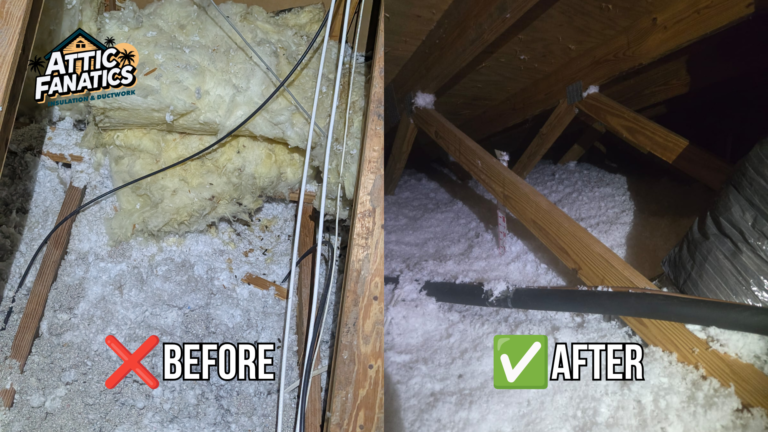
Insulation should form a continuous protective layer. When sections are thin, compressed, or missing, heat transfers more easily into the rooms below.
These weak spots often explain why certain rooms feel warmer than others, especially during the hottest parts of the day.
Airflow Imbalance
 Airflow Imbalance
Air must be distributed evenly for consistent comfort. When some ducts deliver more air than others, certain rooms receive less cooling.
This airflow imbalance creates noticeable differences between spaces, even when the system is running normally.
Heat Transfer from the Attic
 Heat Transfer from the Attic
The attic absorbs a large amount of heat from the roof. Without proper control, that heat moves downward and affects rooms directly beneath it.
Over time, this constant heat exposure makes it harder to maintain stable indoor conditions.
Signs of a Comfort Gap
 Signs of a Comfort Gap
Many homeowners in Florida notice the symptoms but don’t connect them to attic-related issues. These signs often point to deeper structural imbalances:
- One room consistently feels warmer or cooler than the rest
- Certain areas take longer to cool down or never reach the desired setting
- Slight drafts or temperature shifts in specific spots
- Upper floors feel noticeably warmer than lower levels
- AC runs longer but doesn’t improve overall comfort
 Certain areas take longer to cool down or never reach the desired setting
 AC runs longer but doesn’t improve overall comfort
These hot and cold spots home patterns usually indicate underlying distribution or insulation problems.
How to Fix Uneven Temperatures
 How to Fix Uneven Temperatures
 Insulation Improvements
Upgrading insulation helps reduce heat transfer and creates a more consistent barrier between the attic and living space. This improves overall temperature stability.
Airflow Balancing
Adjusting how air moves through the home ensures each room receives adequate cooling. This may involve evaluating ducts, vent positioning, or system calibration.
Even small adjustments can make a noticeable difference in achieving consistent comfort across all rooms.
Sealing Leaks
 Sealing Leaks
Small openings around ceilings, ducts, and attic access points allow conditioned air to escape. Sealing these areas helps maintain indoor conditions and prevents outside heat from entering.
How to Achieve Consistent Comfort
 How to Achieve Consistent Comfort
Creating a balanced indoor environment requires multiple elements working together. When insulation is even, air distribution is corrected, and structural gaps are sealed, the entire home becomes more stable.
These improvements not only solve comfort issues but also support better efficiency and reduce unnecessary strain on your cooling system. Over time, this leads to a more reliable and comfortable living experience in every room.