Think Your Insulation Works? Think Again 🧱⚠️
Many homeowners assume their attic is doing its job simply because insulation is present. But over time, materials can weaken, shift, or lose their ability to protect the home. Small changes like settling, moisture exposure, or poor installation can quietly reduce how well it performs. These old insulation problems often go unnoticed until comfort starts to decline. When that happens, indoor temperatures become harder to manage even if nothing looks obviously wrong.
🌡️ Why Insulation May Stop Working Over Time
Insulation isn’t a “set it and forget it” system. It’s constantly exposed to heat, humidity, and air movement. As conditions change, materials can settle, shift, or break down. This gradual wear often goes unnoticed because it happens slowly over time.
In many homes, what looks fine on the surface may no longer be performing effectively underneath. This leads to attic efficiency loss, where the barrier between outdoor heat and indoor space becomes less effective.
🔍 Common Problems with Attic Insulation
🧱 Aging and Material Breakdown
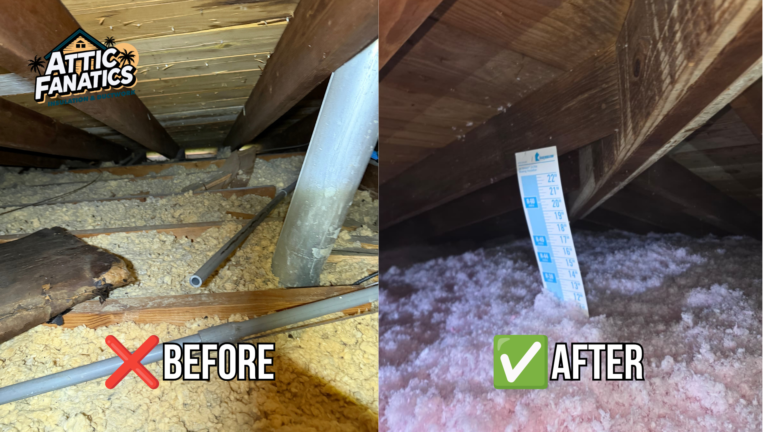
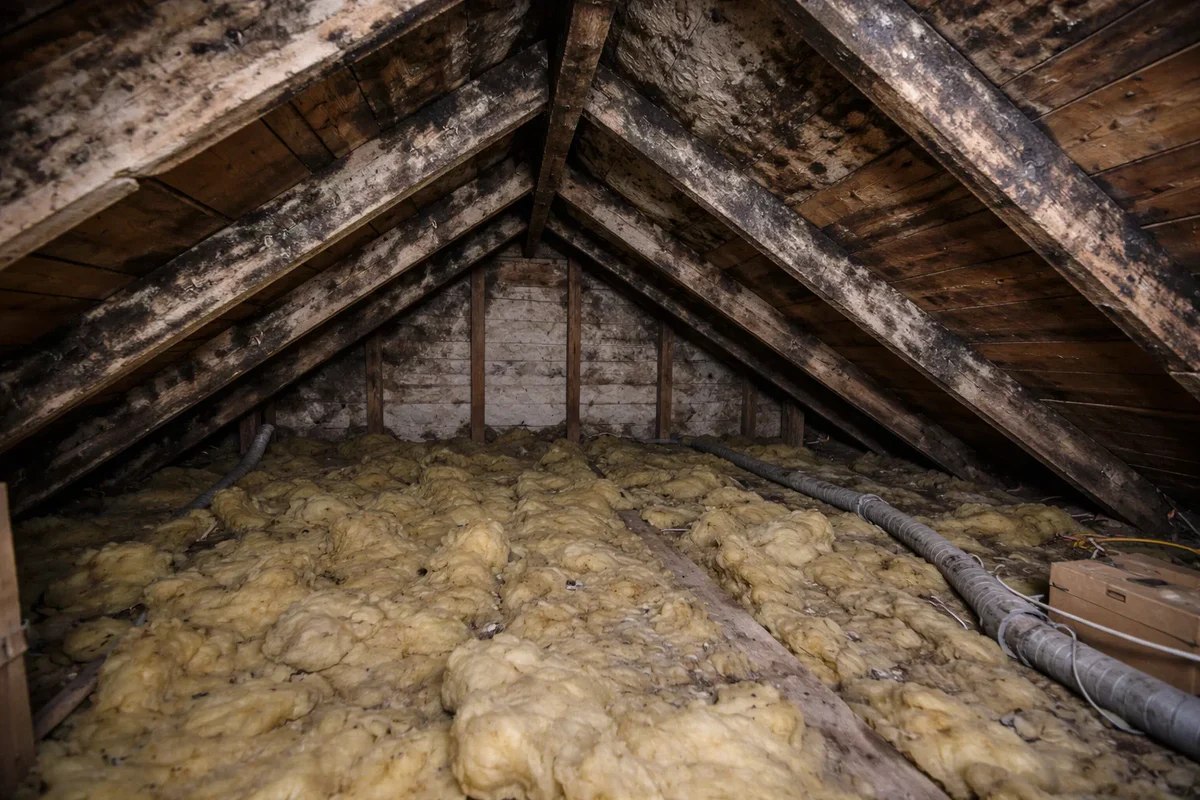
Over the years, insulation can compress or lose its structure. When this happens, it no longer slows heat transfer the way it should.
Older materials often show reduced performance, especially in homes that haven’t had an attic inspection in a long time.
💧 Moisture Damage
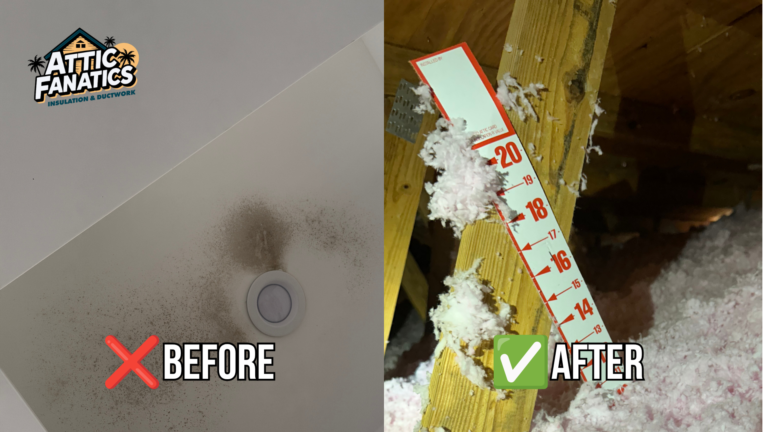
Moisture is one of the biggest threats to insulation. When materials absorb water, they become heavier and less effective. This type of insulation damage can also lead to long-term structural concerns if left unaddressed. It can also create the right conditions for mold growth, further affecting indoor air quality.
⚠️ Poor Installation
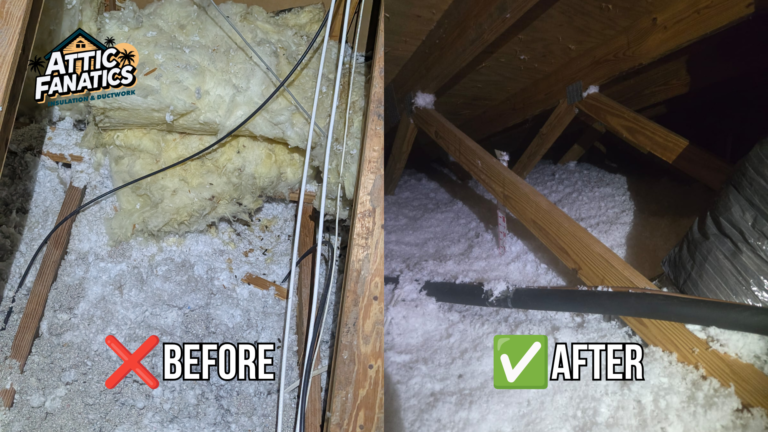
Even newer insulation can fail if it wasn’t installed properly. Gaps, uneven coverage, or missed areas reduce its ability to protect the home. In many cases, the issue isn’t the material, it’s how it was placed. Poor alignment around edges, vents, or corners can leave hidden openings where heat easily passes through.
Over time, these small mistakes add up, making the entire system less effective and harder to rely on for consistent indoor comfort.
🚨 Signs Your Insulation Is Ineffective
🌡️ Temperature Fluctuations
Rooms may feel comfortable one moment and too warm the next. This inconsistency often points to weakened insulation above.
💸 Rising Energy Bills
When heat enters more easily, your system runs longer to maintain comfort. This increases overall energy use.
🔥 Excess Attic Heat
If the attic becomes extremely hot during the day, it can radiate warmth downward, making it harder to cool indoor spaces.
🛠️ How to Restore Insulation Performance
🧱 Insulation Replacement
When materials are too worn or damaged, insulation replacement is often the most effective solution. New materials restore the barrier that helps regulate indoor conditions.
🔒 Air Sealing Before Installation
Before adding new material, sealing gaps is essential. This prevents conditioned air from escaping and stops outside heat from entering.
🧩 Choosing the Right Insulation Type
Different materials perform better under different conditions. Selecting the right type ensures long-term durability and improved energy efficiency.
🌿 Why Proper Insulation Matters Long-Term
A well-functioning attic system supports stable indoor temperatures and reduces unnecessary strain on cooling systems.
When insulation is properly installed and maintained, it helps control heat, supports balanced airflow, and improves overall home comfort especially in climates like Florida where temperature control is critical.