What Happens When Attic Insulation Ages Over Time 🌡️
Attics are often out of sight and out of mind, but the materials within them quietly govern a home’s comfort and energy efficiency. Over the years, aging attic insulation loses its effectiveness even without obvious signs of damage. Homeowners in Florida, where heat, humidity, and seasonal storms are constant, may not notice gradual performance decline until utility bills rise or indoor temperatures fluctuate. While insulation may look intact from the attic hatch, its ability to resist heat transfer can deteriorate due to factors that unfold over time.
🌬️ How Insulation Breaks Down Silently
The process of insulation breakdown begins with exposure to the environment. Fiberglass, cellulose, and foam-based materials gradually degrade when subjected to warm, humid air and fluctuating temperatures. Moisture absorption causes fibers to mat together, reducing loft and diminishing the air pockets that trap heat. Over time, trapped humidity encourages microbial growth, weakens vapor barriers, and accelerates deterioration in areas that are difficult to inspect visually. Foam insulation may also develop micro-cracks that compromise thermal resistance.
🧱 Material Settling and Structural Changes
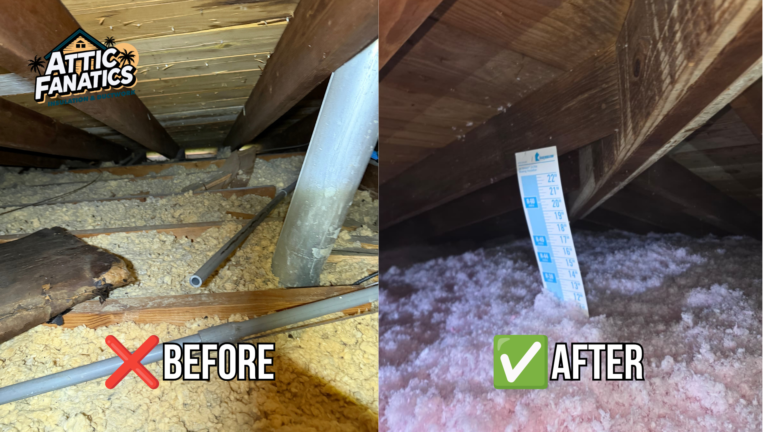
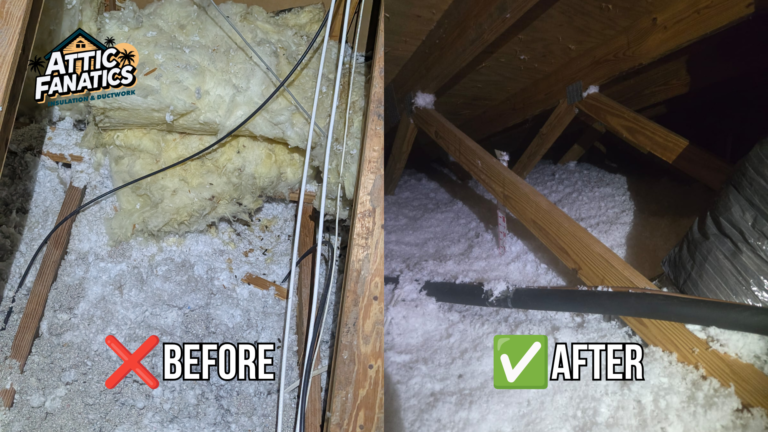
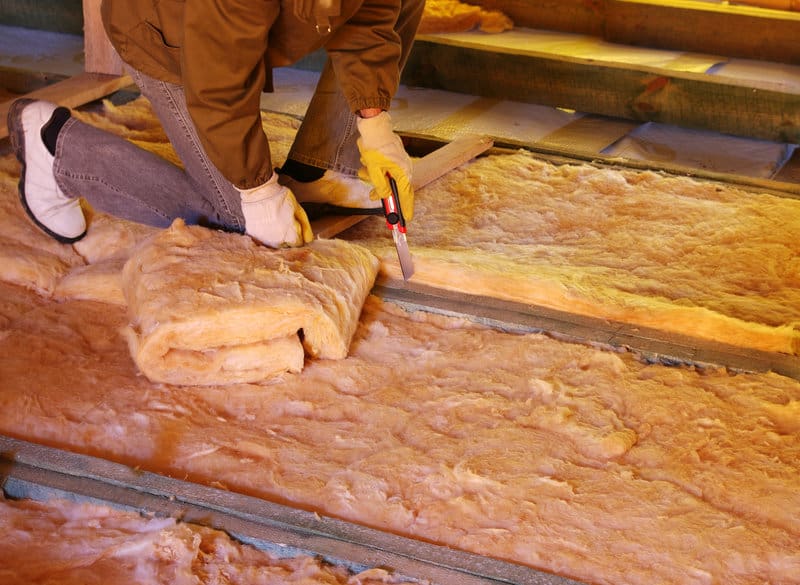
Another key factor in performance loss is material settling. Loose-fill insulation tends to compact under its own weight, while older batts may sag between joists. Even minor settling can create cold spots, allowing heat to bypass insulation layers and enter the home. In attic spaces with high humidity, where roof structures expand and contract with temperature swings, settling can occur more quickly than expected. This subtle shift may not produce visible gaps, yet it significantly impacts overall thermal control.
🔥 Heat Resistance Loss Over Time
Heat resistance loss is often the first measurable symptom of aging insulation. Laboratory studies show that even a 10% reduction in R-value insulation’s measure of resistance can increase energy consumption noticeably. The degradation is gradual: attic air feels slightly warmer, HVAC systems cycle longer, and indoor comfort diminishes. Because these changes occur incrementally, homeowners often attribute them to external temperature fluctuations rather than compromised attic performance.
🔍 Indicators of Declining Attic Performance
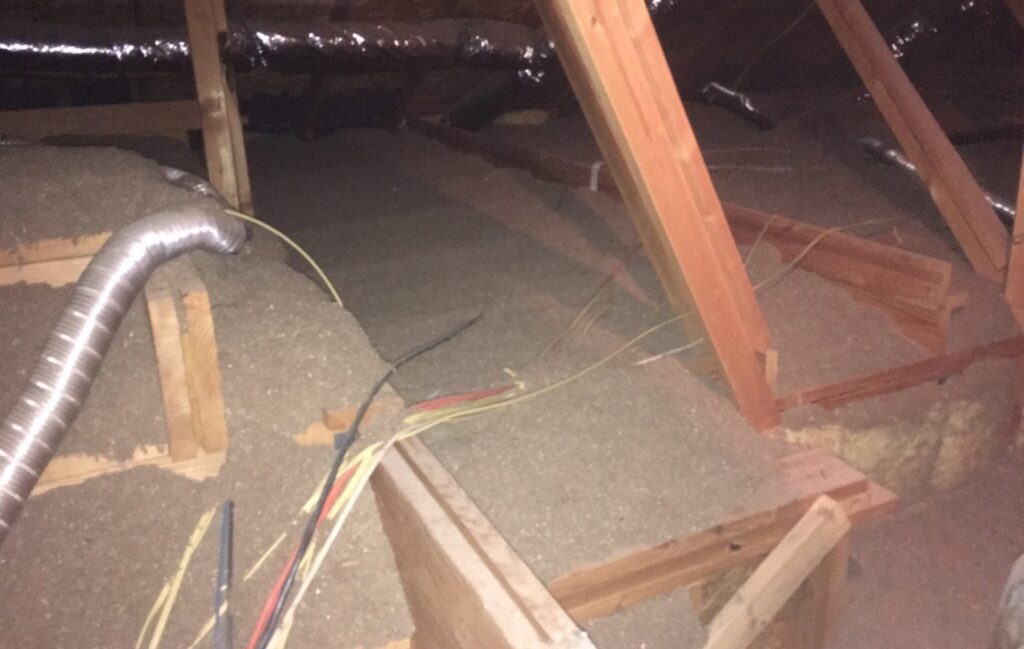
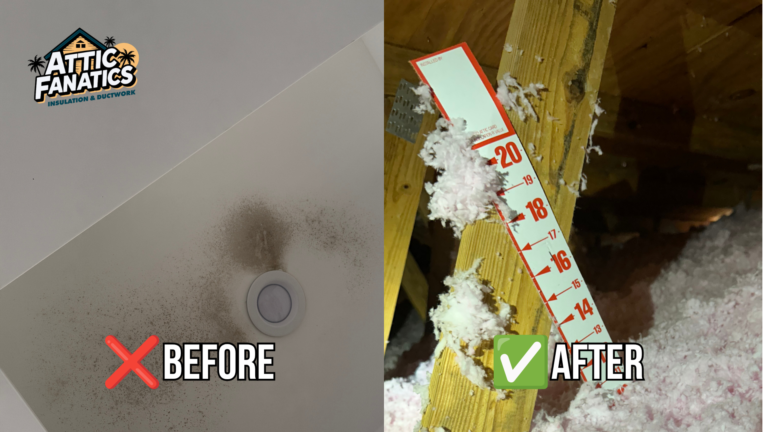
Subtle signs of declining attic efficiency often go unnoticed. Increased cooling costs, uneven room temperatures, or a persistent feeling of stuffiness may all point to reduced insulation effectiveness. Dust accumulation, minor mold patches, or slight odors may also suggest moisture retention within insulation layers. In many cases, insulation may look perfectly intact even though its ability to regulate indoor temperatures has diminished.
🌡️ How Heat and Humidity Affect Attic Insulation
Florida climate wear plays a major role in accelerating aging. High humidity, seasonal storms, and heat spikes continuously challenge insulation materials. The constant cycle of warm, moist air entering the attic and cooler surfaces below encourages moisture absorption and fiber compression. Over time, even high-quality insulation loses its initial energy-saving properties. Roof leaks, though often rare, compound these issues by introducing localized water damage, which can further compromise material integrity.
🏠 Expert Evaluation by Attic Specialists
Because deterioration is gradual, professional evaluation is crucial. Attic Fanatics perform detailed inspections that go beyond visual assessment. They measure insulation density, check for moisture retention, evaluate airflow, and map areas where heat bypasses insulation. Such diagnostics provide homeowners with an accurate picture of their attic’s condition, highlighting both minor losses and areas needing urgent attention.
💡 When to Consider Upgrades or Replacement
While insulation may not show obvious damage, there are key factors that indicate replacement or reinforcement is warranted:
- ⚡ Increased HVAC runtime and higher utility costs
- 🌡️ Uneven indoor temperatures despite system adjustments
- 🛏️ Compressed or sagging insulation layers
- 💧 Signs of moisture accumulation or minor mold growth
- ☀️ Attics in homes exposed to persistent heat and humidity
Addressing these early prevents further degradation and helps restore thermal efficiency without waiting for major structural or energy losses.
⚡ Long-Term Energy and Comfort Implications
Neglecting the subtle decline of insulation can have cascading effects. Reduced attic efficiency forces HVAC systems to work harder, increasing wear and shortening their lifespan. Indoor humidity may rise, promoting mold growth and diminishing air quality. Over several years, the cumulative impact of aging attic insulation can transform a home’s energy profile, creating discomfort and driving up maintenance and energy expenses.
🌊 Protecting Your Home Against Climate Stressors
Maintaining effective attic insulation requires a combination of climate-aware materials, proper ventilation, and routine evaluation. Florida homes face unique challenges from heat and humidity, but timely inspection and upgrades by trained professionals can preserve energy efficiency, improve indoor comfort, and prolong the lifespan of both insulation and HVAC systems.