Why Homes Feel Stuffy After Attic Insulation Upgrades 

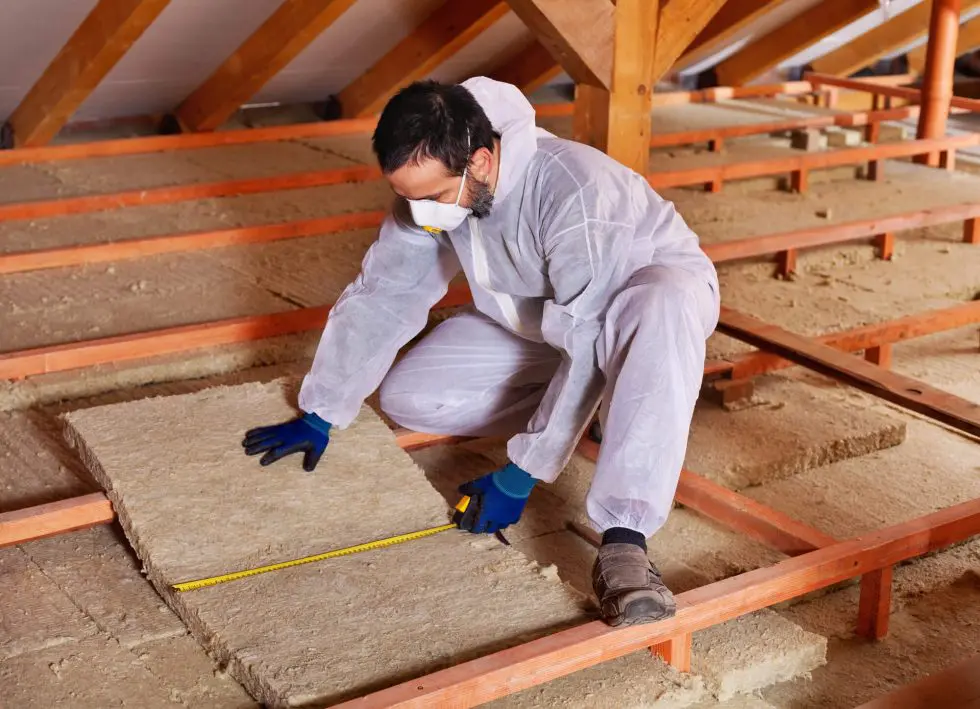
Many homeowners assume that completing insulation upgrades guarantees a more comfortable indoor environment. Yet in areas where heat and humidity dominate, new renovations sometimes fail to deliver the expected relief. Despite modern materials and thorough installation, houses can feel heavy, stuffy, and unevenly cooled. The root cause often lies in attic airflow problems rather than the insulation itself, a subtle but critical issue that requires expert evaluation.
How Ventilation Imbalance Affects Indoor Comfort
 How Ventilation Imbalance Affects Indoor Comfort
When insulation is added or replaced, the dynamics of airflow within the attic can change dramatically. Air must move freely from intake vents to exhaust points to maintain a balanced circulation system. If airflow is disrupted, certain areas of the attic can become stagnant, allowing heat and moisture to accumulate. This trapped air reduces the efficiency of temperature regulation in the rooms below and can leave the home feeling warmer and less comfortable.
Homes experiencing this imbalance often report a persistent stuffy home feeling, even when HVAC systems are operating at full capacity. Warm, humid air collects near ceilings, while lower floors may remain cooler but dry, creating discomfort and uneven room conditions. Over time, this mismatch can also lead to subtle structural strain, as attic components expand and contract under prolonged heat and moisture exposure.
Humidity Retention and Its Effects on Attic Pressure
 Humidity Retention and Its Effects on Attic Pressure
Florida’s climate amplifies the effects of ventilation imbalance. High humidity levels encourage moisture retention within attic spaces, which interacts with insulation layers to elevate attic pressure. As warm, humid air accumulates, it can leak into ceiling cavities, increasing indoor humidity and reducing overall comfort.
Attic pressure caused by trapped air and moisture can also accelerate wear on roofing materials and compromise vapor barriers. Homeowners may notice minor condensation around vents, attic doors, or recessed lighting, which signals that airflow is not properly moving through the space. Left unaddressed, these conditions contribute to indoor temperature swings, mold growth, and a lingering sense of heaviness inside the home.
How Insulation Upgrades Can Unintentionally Contribute to Stuffy Homes
 How Insulation Upgrades Can Unintentionally Contribute to Stuffy Homes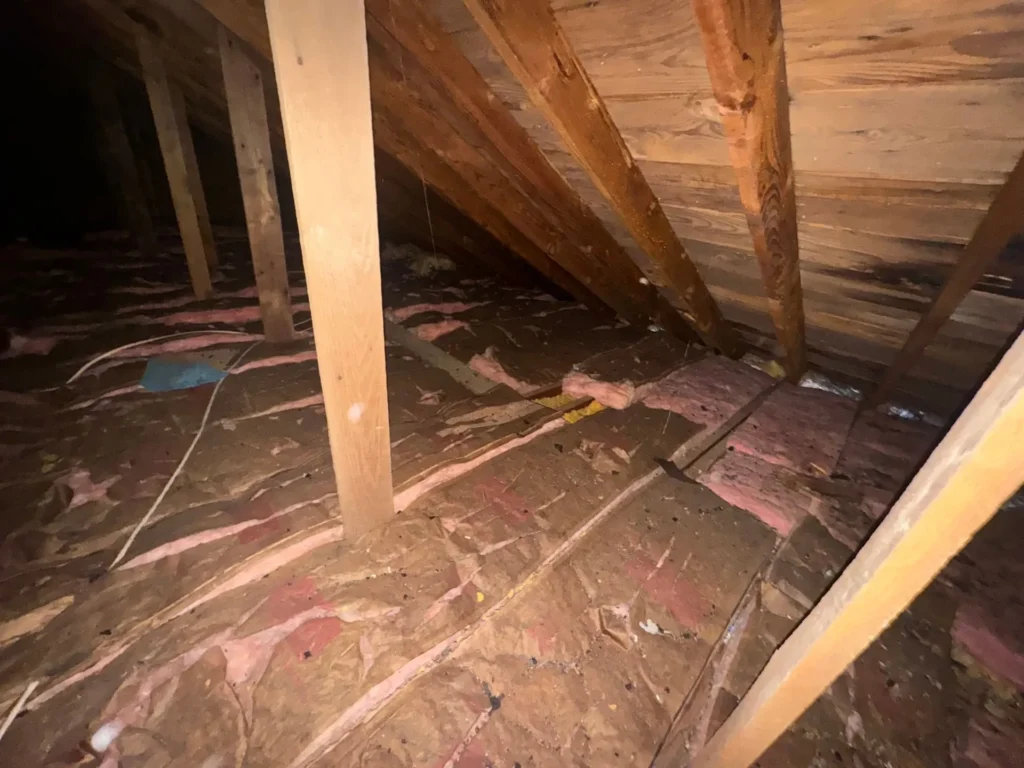
While insulation is designed to block heat transfer and improve energy efficiency, poorly planned installation can worsen airflow dynamics:
- Dense or layered insulation can obstruct existing vent pathways.
- Over-sealing without compensating for intake and exhaust vents can create negative pressure zones.
- Uneven application may allow hot air pockets to persist in isolated sections of the attic.


Even high-quality materials cannot overcome the effects of disrupted airflow. The combination of Florida heat, uneven attic airflow, and humidity retention can leave homeowners feeling that the renovations have not achieved the desired comfort improvements.
Professional Diagnostics for Persistent Discomfort
 Professional Diagnostics for Persistent Discomfort
Because these issues develop gradually and may not be obvious during installation, specialized evaluation is essential. Attic Fanatics provides comprehensive diagnostics adapted to hot and humid climates. Their experts evaluate ventilation efficiency, identify pressure imbalances, and analyze how insulation interacts with airflow patterns. By measuring air movement, humidity levels, and temperature gradients, they can determine why a home continues to feel heavy and stuffy despite recent upgrades.
Once the root causes are identified, targeted solutions can restore balance and comfort. Adjusting vent locations, adding supplemental ventilation, and optimizing insulation placement ensures that airflow moves efficiently while maintaining thermal performance. These interventions reduce attic pressure, decrease indoor humidity, and allow HVAC systems to function as intended, creating a more comfortable living environment year-round.
Maintaining Comfort in Heat
 Maintaining Comfort in Heat
Homeowners must recognize that insulation alone cannot solve all comfort issues. Attic airflow problems, ventilation imbalance, and trapped moisture in the attic interact with extreme heat to affect indoor conditions. Their experts evaluate ventilation efficiency, identify pressure imbalances, and analyze how insulation interacts with airflow patterns. By measuring air movement, humidity levels, and temperature gradients, they can determine why a home continues to feel heavy and stuffy despite recent upgrades.
By focusing on how air moves through the attic, understanding the effects of pressure and humidity, and applying climate-specific solutions, homeowners can protect their renovations’ effectiveness and ensure long-term comfort. Awareness of these factors is crucial for making informed decisions about future upgrades and avoiding frustration from unexpected indoor discomfort.