What Homeowners Miss During Blown-In Insulation Removal 

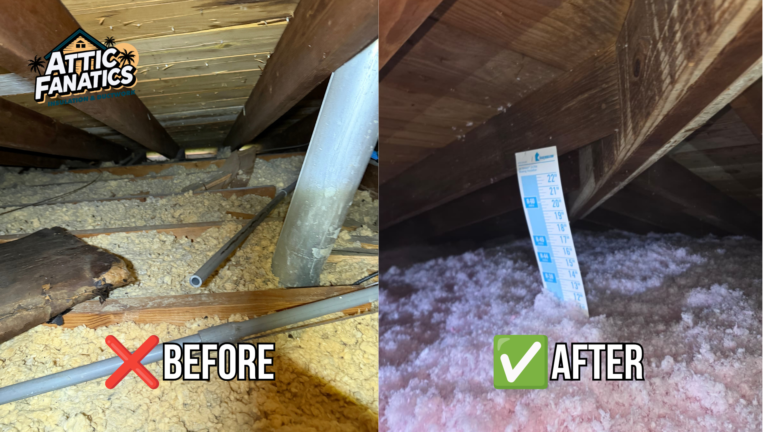
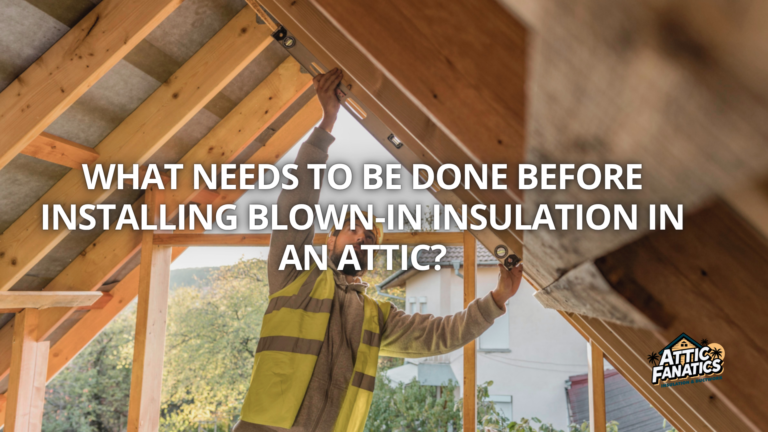
Old blown-in insulation may look harmless, but it often hides issues that can affect comfort, air quality, and overall thermal performance. Many homeowners attempt removal themselves, overlooking critical details that can impact both short-term safety and long-term home performance. Florida homes, in particular, face unique climate challenges that make professional assessment essential.
Hidden Moisture and Mold Risks
 Hidden Moisture and Mold Risks
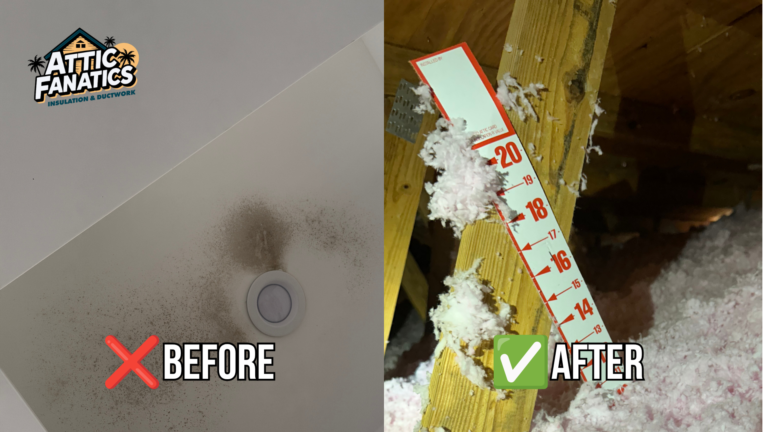
Blown-in insulation can absorb water from roof leaks, high humidity, or plumbing issues. If left unchecked, damp insulation becomes a breeding ground for mold and mildew, which may spread into living spaces. Even a minor leak can saturate insulation fibers, reducing their effectiveness and potentially leading to structural concerns over time.
Dust, Allergens, and Air Quality Concerns
 Dust, Allergens, and Air Quality Concerns
Insulation fibers degrade over time, releasing fine particles and allergens into the attic and living spaces. DIY removal can disturb these contaminants, creating respiratory hazards. Professional teams ensure proper containment and safe extraction, reducing exposure and helping maintain healthier indoor air quality.
Energy Efficiency Losses
 Energy Efficiency Losses
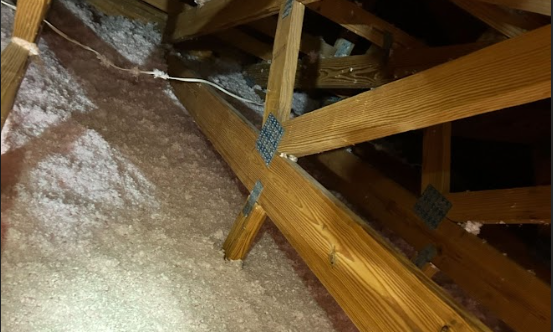
Old insulation may have compressed or shifted, creating gaps that reduce thermal resistance. Without proper attic clean-up, replacement materials cannot perform optimally. Homes may experience uneven temperatures, higher utility bills, and increased strain on HVAC systems.
Checklist of Common Oversights During Removal
 Checklist of Common Oversights During Removal
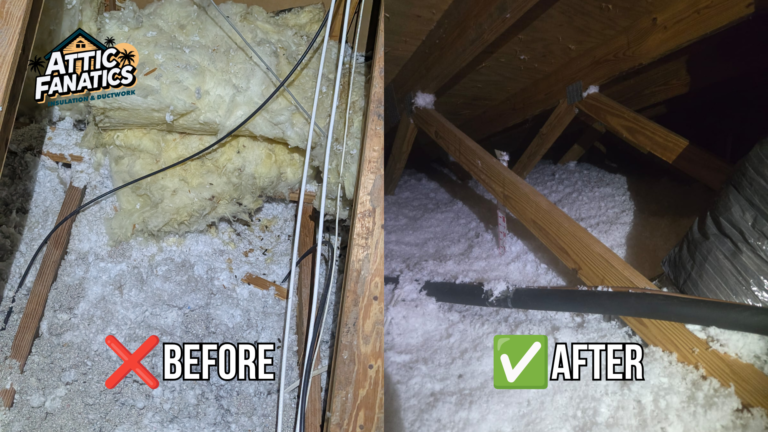
- Failing to fully remove all old blown-in material, leaving hidden pockets
- Ignoring damp or moldy sections that need remediation before replacement
- Overlooking vents, wiring, and attic structures that require inspection
- Neglecting to address air leaks and insulation gaps at access points
- Using improper tools or techniques that damage attic surfaces
 Failing to fully remove all old blown-in material, leaving hidden pockets
 Ignoring damp or moldy sections that need remediation before replacement
 Overlooking vents, wiring, and attic structures that require inspection
 Neglecting to address air leaks and insulation gaps at access points
 Using improper tools or techniques that damage attic surfaces
 Foam Insulation vs. Blown-In Materials
 Foam Insulation vs. Blown-In Materials
When replacing insulation, homeowners often compare foam insulation with traditional blown-in products. Foam provides superior sealing and moisture resistance, boosting efficiency. Choosing the right material depends on attic layout, ventilation, and climate considerations. Attic Fanatic’s experts guide homeowners in selecting the best option for their homes.
Ensuring Long-Term Home Comfort
 Ensuring Long-Term Home Comfort
 Professionally managed insulation removal ensures a complete attic clean-up, reduces airborne particles and moisture risks, and supports optimal energy efficiency. Homeowners benefit from more stable indoor temperatures, quieter living spaces, and a healthier environment. Addressing these often-overlooked factors helps prevent costly repairs and extends the lifespan of new insulation.